
Do I Really Need Prenatal Classes?
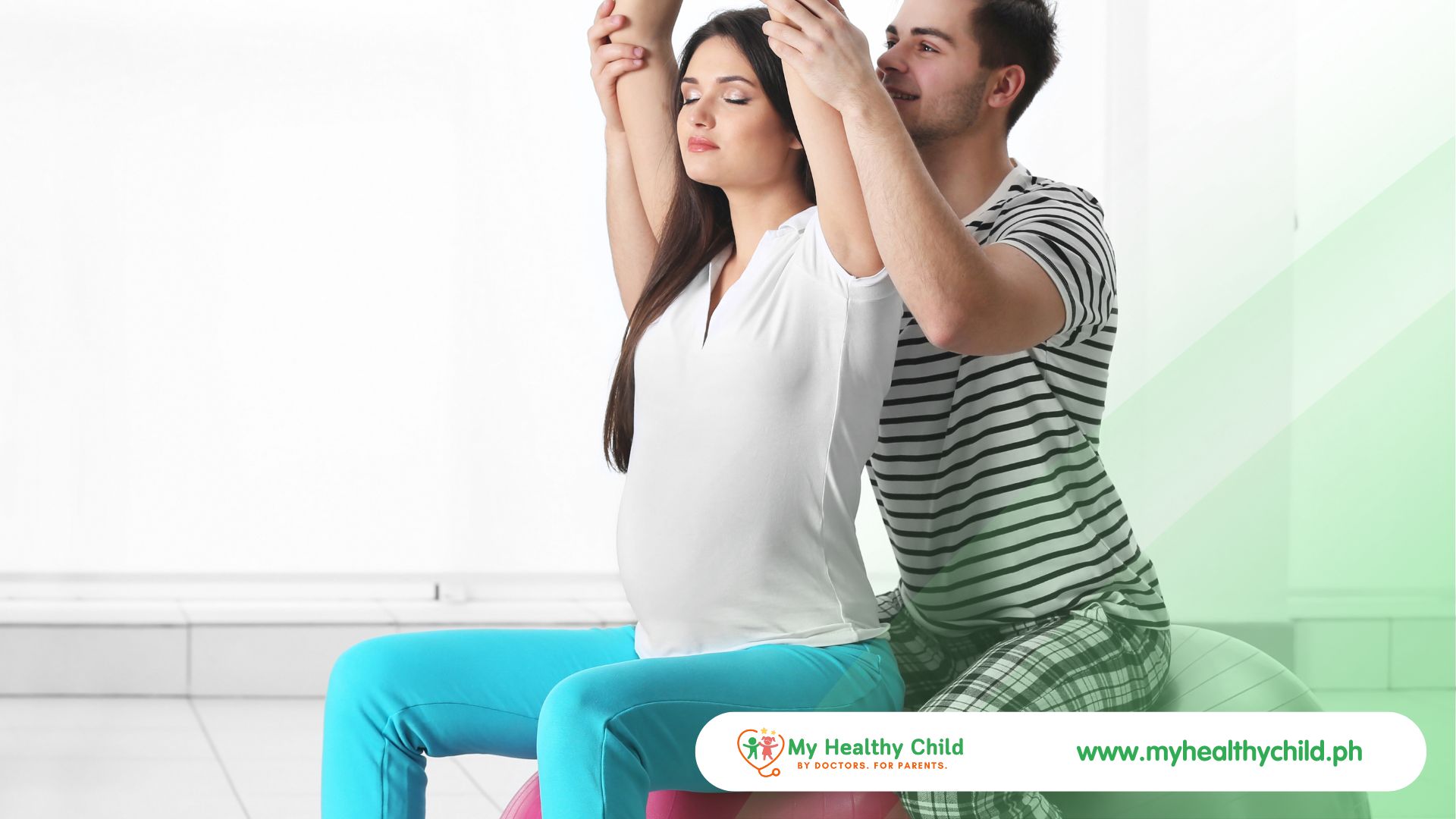
See how modern, science-backed classes reduce anxiety, improve labor outcomes, and help both parents prepare with confidence.
At a Glance
- Prenatal classes give you real tools — not just theory — for labor, recovery, and newborn care.
- They reduce fear, build partner support, and help you make informed choices under pressure.
- Even second-time parents benefit, especially with new research, policies, and delivery options.
The Case for Preparation Over Guesswork
Pregnancy is not an exam you can “cram” for — and yet many parents go into labor with more apps than answers.
Prenatal classes shift you from reactive to prepared. They offer evidence-based guidance on:
- Labor stages and signs
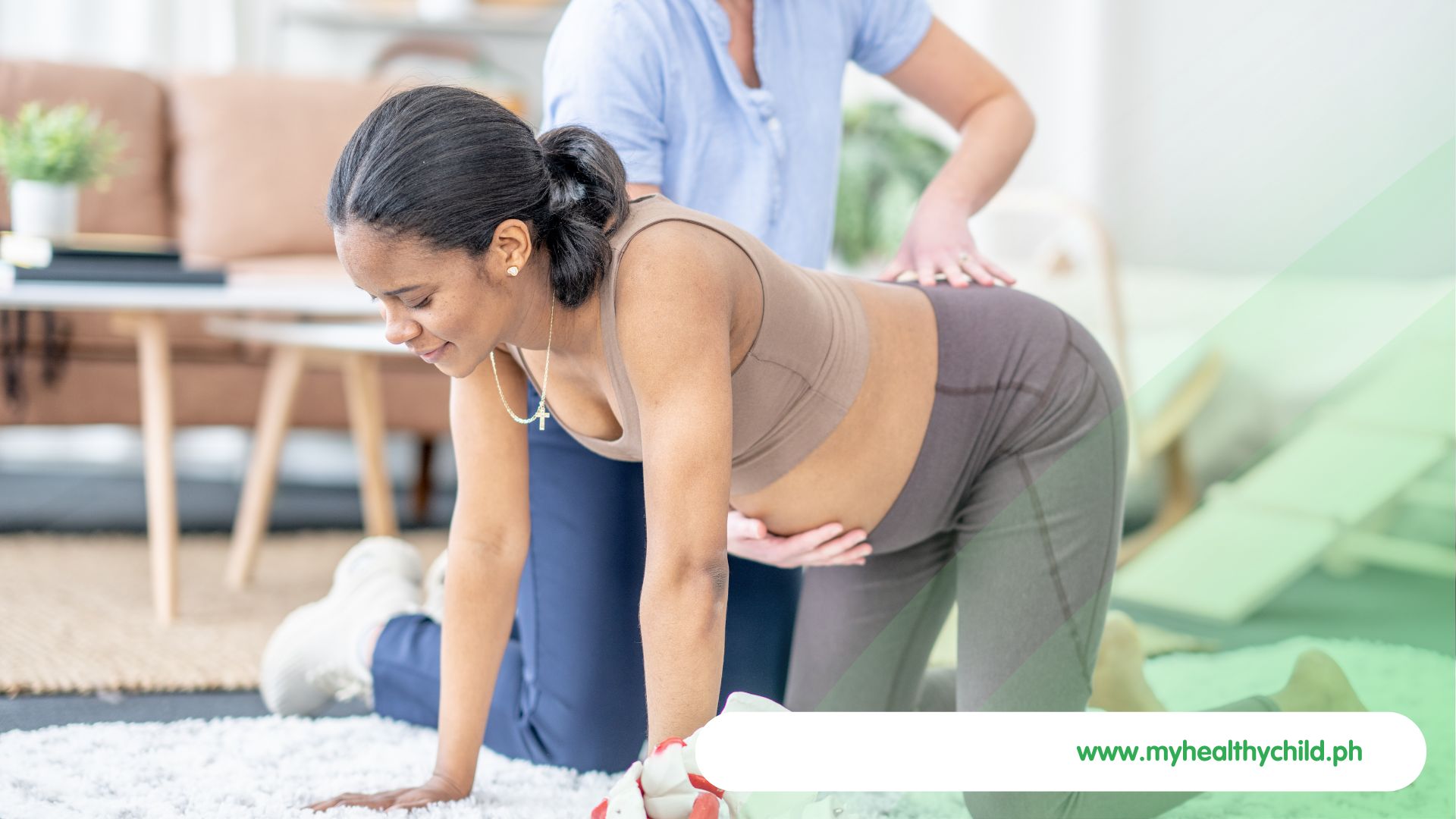
- Breathing, positioning, and pain management
- Medical interventions and when they’re used
- C-section prep and recovery
- Postpartum physical and emotional changes
- Breastfeeding, newborn care, and red flags
“You don’t just learn facts — you learn how to respond. That’s the difference between feeling overwhelmed and feeling ready.”
Proven Benefits for Mothers and Babies
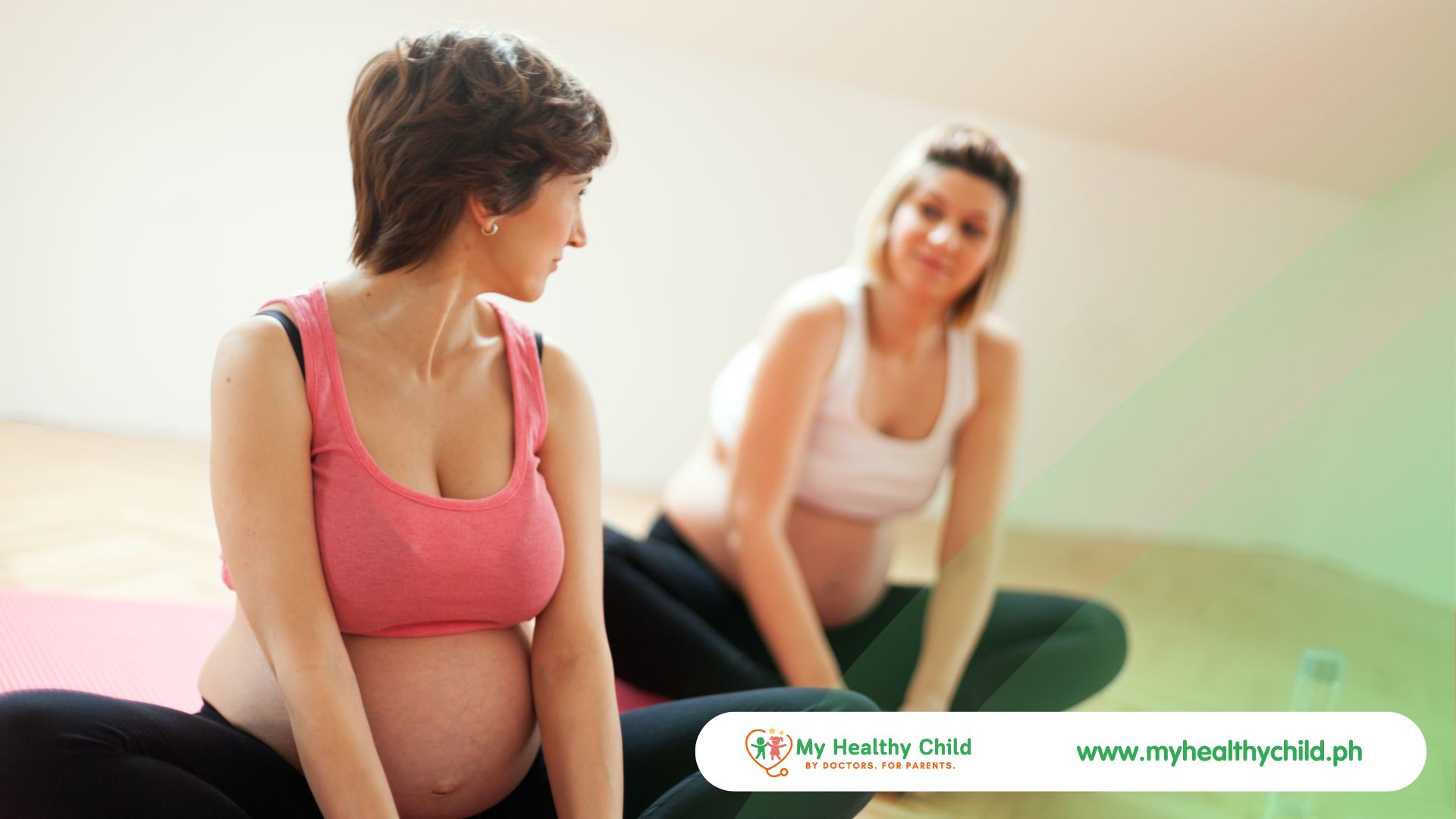
Studies show that parents who attend structured prenatal classes:
- Have shorter labors and less need for emergency interventions
- Are more likely to breastfeed successfully
- Report lower anxiety levels before delivery
- Have partners who feel more confident and involved in care
Classes also help mothers develop realistic birth expectations, which reduces trauma if plans change.
What About Online vs. In-Person?
Both formats work — but structure matters. Look for classes:
- Led by licensed OB nurses, midwives, or certified childbirth educators
- That include practice time, Q&A sessions, and access to updated materials
- That are evidence-based, not anecdote-driven
If you’re on bed rest or have limited time, modular online courses may help. If you want physical demos or live peer interaction, ask your OB about in-hospital or clinic-led sessions.
Common Misconceptions
- “I’ll learn everything in the hospital.”
You’ll be busy giving birth — not learning how to handle labor. Preparation happens before. - “It’s not my first child.”
Every pregnancy is different. New guidelines (like delayed cord clamping or skin-to-skin) may not have been standard during your last birth. - “I’m planning a C-section anyway.”
You still need to prepare for anesthesia, recovery, newborn feeding, and partner coordination — all covered in a good class.
What to Do Next: Guidance for Pregnant Moms
- Ask your OB or birthing hospital what classes are available — and which ones they recommend.
- Book early, ideally by the second trimester, so you can finish before week 36.
- If budget is a concern, ask your local health center or HMO — many offer free or low-cost options.
Note:
This article was medically reviewed and written in collaboration with doctors and medical professionals committed to providing pediatric health education.
References:
World Health Organization (WHO) – Maternal and Perinatal Health
American College of Obstetricians and Gynecologists (ACOG)
Centers for Disease Control and Prevention (CDC – U.S.) – Pregnancy

Marie Victoria S. Cruz-Javier, MD, FPOGS, FPSGE
Obstetrics and Gynecology Minimally Invasive Gynecologic Surgery and Robotic Surgery Aesthetic Gynecology
Disclaimer:
The information in this article is intended for educational purposes only and does not substitute professional medical advice, diagnosis, or treatment. Always consult your physician, pediatrician, or qualified healthcare provider with any questions you may have regarding a medical condition or health objectives.