
Is My Child Still Benefiting from Therapy?
How to tell if therapy is helping, what to do when it feels stuck, and how to stay focused on what matters most

At a Glance
- Progress should be visible within a few months—not just inside the clinic.
- Therapy that’s stuck, repetitive, or disconnected from daily life may need reassessment.
- When therapy creates more stress than benefit, it’s time to pause or pivot.
How to Know Therapy Is Still Working
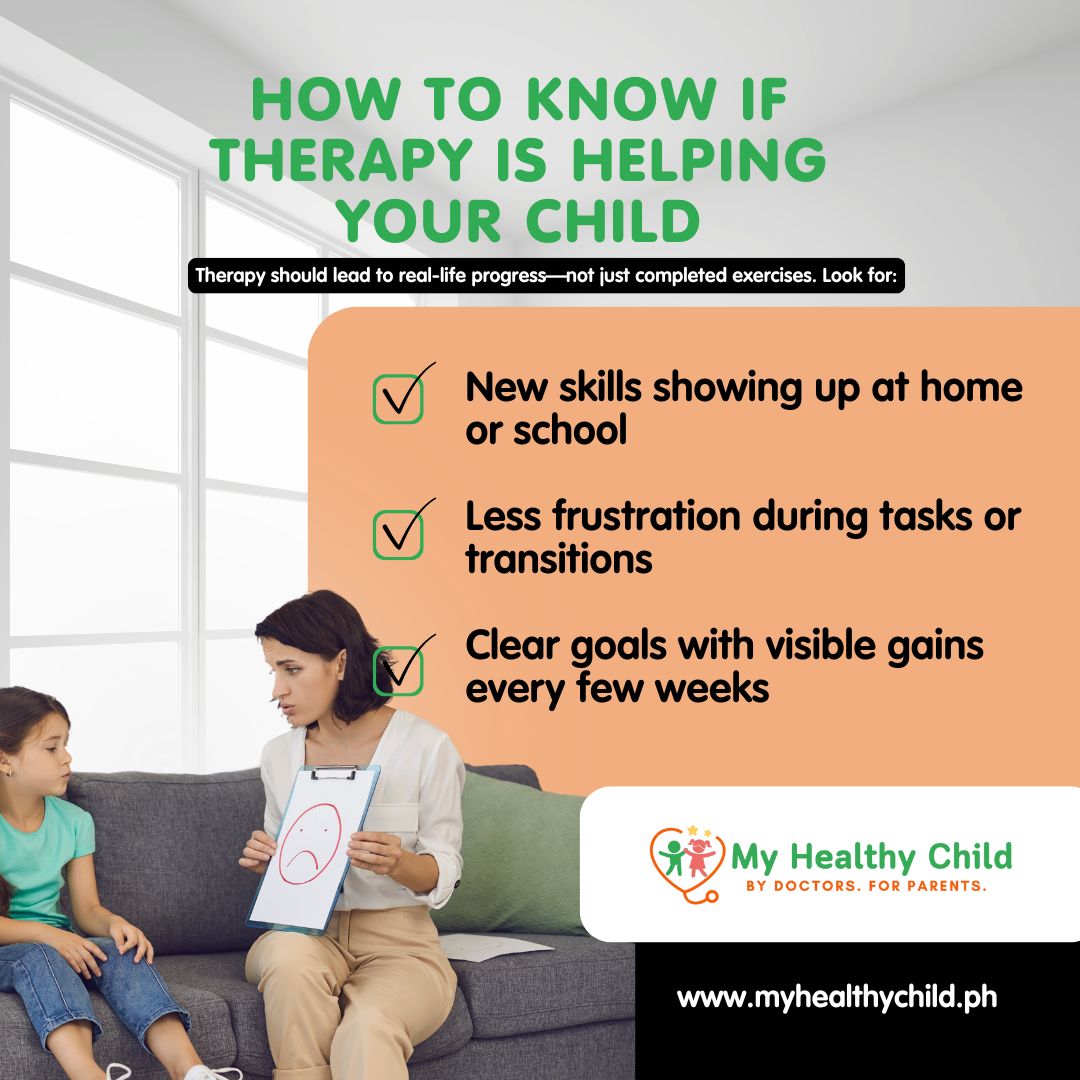
Therapy should help your child function better—not just complete exercises. Signs of meaningful progress include:
- New skills showing up at home or school
- Less frustration with tasks or transitions
- Clear goal-setting with visible gains every few weeks
If you don’t know the current goals or see real-life benefits, request a review with the therapist.
What If Sessions Feel Repetitive or Stalled?
Therapy must evolve as your child grows. If things feel “stuck,” ask:
- Are we working on the same targets without change?
- Has my child outgrown these goals?
- Are gains happening only in the clinic but not at home?
Therapists should adjust strategies and challenge levels regularly. A good plan adapts—not repeats.
When Resistance Means Something’s Off
If your child begins dreading or refusing therapy, it’s worth looking deeper:
- The session may be too long, overstimulating, or mismatched
- Your child may need more breaks, preview tools, or a change in therapist approach
- Some neurodivergent children need structured pacing and sensory accommodations
Behavior is communication. Resistance often signals a need to adjust—not stop.
When Therapy Becomes Too Much
Too many sessions, especially when stacked weekly, can overwhelm kids. Signs of overload include:
- Regression in other skills
- Increased irritability or poor sleep
- Fatigue or meltdowns after sessions
Consider scaling back:
- Focus on 1–2 essential therapies
- Prioritize functional goals (e.g., communication, feeding)
- Build rest into your child’s weekly rhythm
What to Do Next: Guidance for Parents
- Ask for a progress review. You deserve clarity on what’s being worked on—and why.
- Watch life outside the clinic. If skills aren’t carrying over, therapy needs to shift.
- Take breaks if needed. Sometimes less is more, especially for overwhelmed kids.
Note:
This article was medically reviewed and written in collaboration with doctors and medical professionals committed to providing pediatric developmental health education.
References:
U.S. Centers for Disease Control and Prevention (CDC)
CHADD (Children and Adults with Attention-Deficit/Hyperactivity Disorder)

Francis Xavier M. Dimalanta, MD, FPPS, FPSDBP
Developmental and Behavioral Pediatrician
Fellow, Philippine Pediatric Society
Fellow, Philippine Society for Developmental and Behavioral Pediatrics
Head, Section of Developmental and Behavioral Pediatrics
Institute of Pediatrics and Child Health
St Luke’s Medical Center - Quezon City and Global City
Medical Director, A Child’s DREAM Foundation, Inc (est. 2003)
Disclaimer:
The information in this article is intended for educational purposes only and does not substitute professional medical advice, diagnosis, or treatment. Always consult your physician, pediatrician, or qualified healthcare provider with any questions you may have regarding a medical condition or health objectives.