
How Do I Know If My Baby Is Safe Inside the Womb?
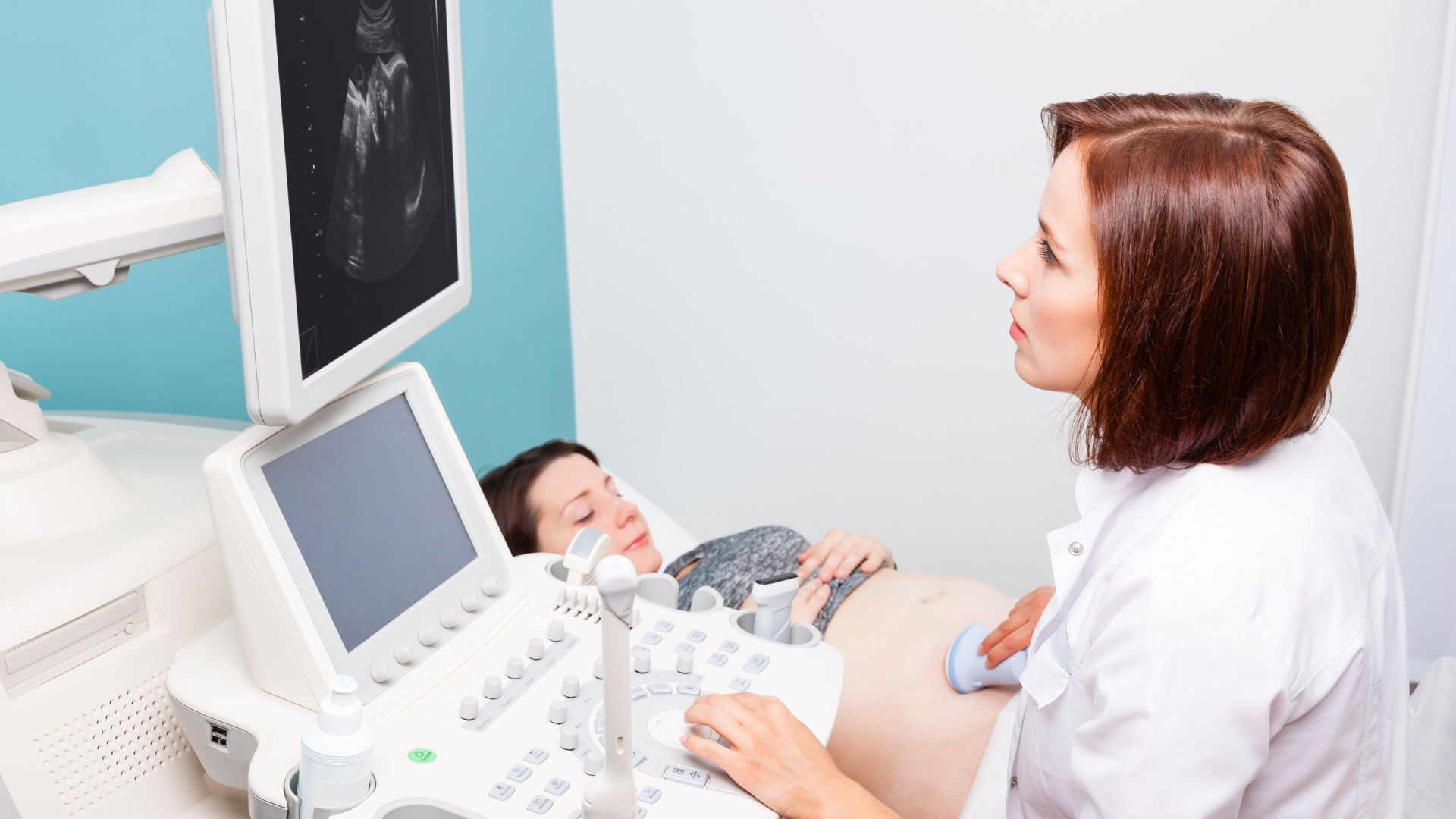
Understand prenatal tests, ultrasounds, and kick counts — and how each step gives your baby the healthiest possible start.
At a Glance
- Safety inside the womb means oxygen, growth, and movement are on track.
- Prenatal visits, scans, and lab tests all monitor different parts of fetal health.
- Kick counts in the third trimester help track your baby’s well-being from the outside.
Prenatal Visits: Your Frontline of Monitoring
Every OB visit helps track your baby’s development through:
- Fundal height checks, or measuring the top of your uterus (starting ~20 weeks) to estimate baby’s growth
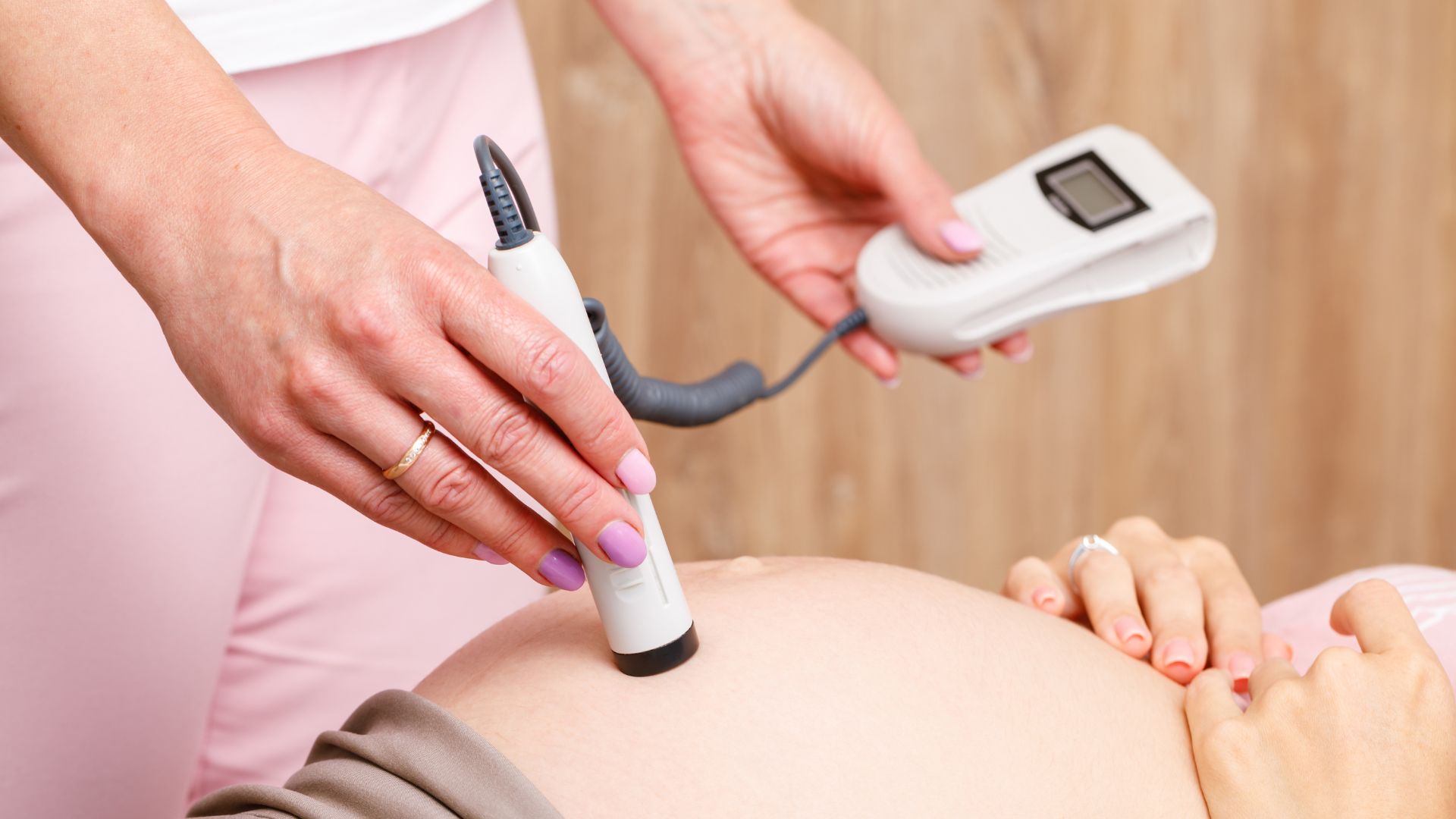
- Heartbeat monitoring using Doppler or fetal monitor
- Blood pressure checks for signs of preeclampsia
- Urine tests to detect infections, protein, or glucose
If any red flags appear — like slowed growth, high blood pressure, or bleeding — your doctor may order more advanced imaging or lab work.
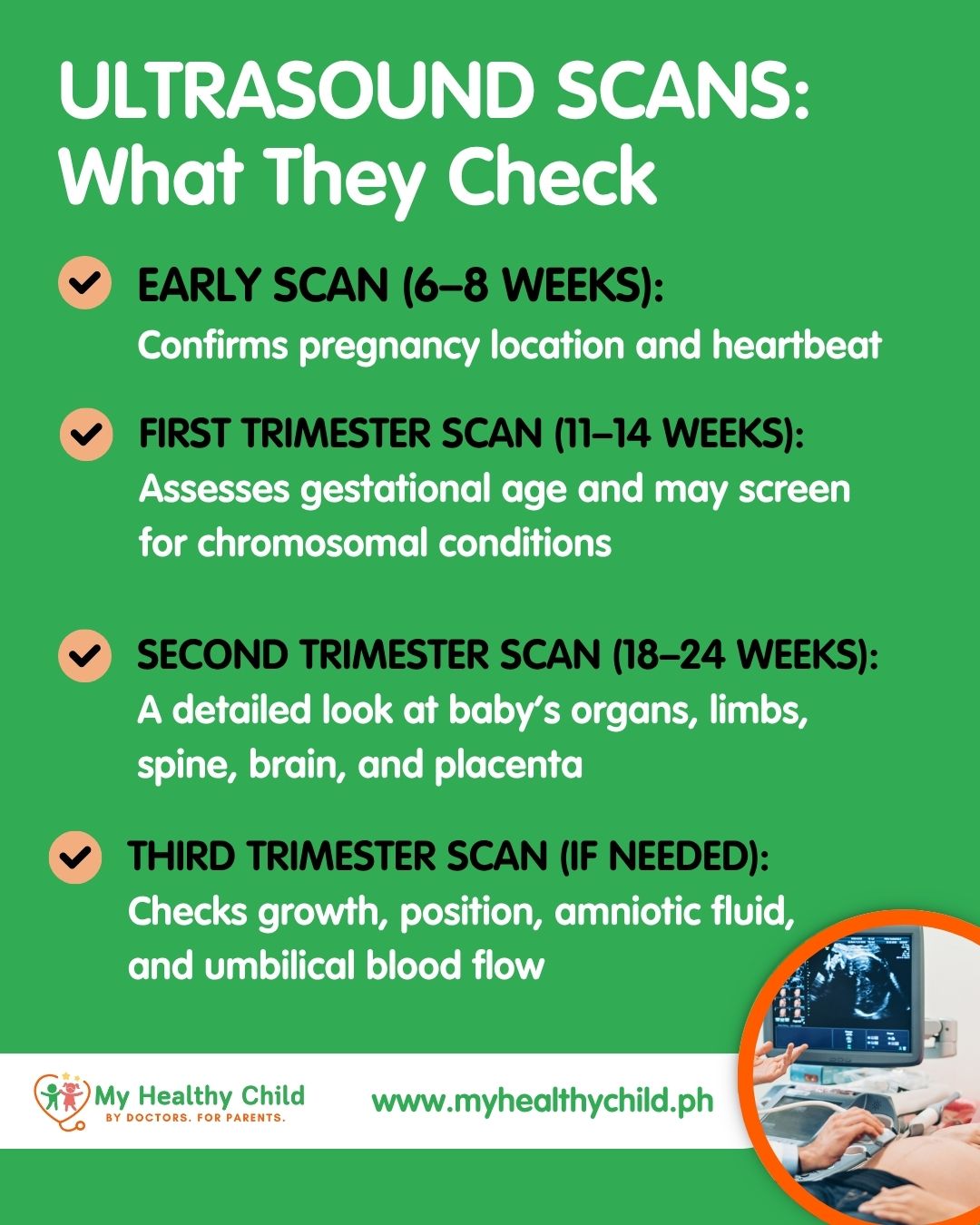
Ultrasound Scans: What They Check
Routine ultrasounds assess both anatomy and overall safety:
- Early scan (6–8 weeks): Confirms pregnancy location and heartbeat
- First trimester scan (11–14 weeks): Assesses gestational age and may screen for chromosomal conditions
- Second trimester scan (18–24 weeks): A detailed look at baby’s organs, limbs, spine, brain, and placenta
- Third trimester scan (if needed): Checks growth, position, amniotic fluid, and umbilical blood flow
If your OB sees concerns — like low fluid, poor growth, or a placenta issue — they may recommend Doppler ultrasound to measure fetal blood flow, or biophysical profile (BPP) to assess movement and oxygenation.
Lab Tests: Quiet Clues That Matter
- Complete Blood Count (CBC) and blood type — screens for anemia or incompatibility
- Oral Glucose Tolerance Test (OGTT) (24–28 weeks): Screens for gestational diabetes
- Group B Strep swab (35–37 weeks): Determines if antibiotics are needed during delivery
- TORCH, though not a routine screening, or hepatitis screening — checks for infections that
may silently affect your baby (Note: the full form of TORCH is toxoplasmosis, rubella
cytomegalovirus, herpes simplex, and HIV.)
Some results don’t change how you feel — but they dramatically shape how your OB protects the baby at birth.
Kick Counts: Your Tool in the Third Trimester
From 28 weeks onward, you can track your baby’s movement:
- Sit or lie down in a quiet space after a meal.
- Count how long it takes to feel 10 movements — kicks, rolls, flutters.
- Most babies will move 10 times within 2 hours.
Less movement than usual may signal distress — call your OB if you’re unsure. It’s one of the few ways moms can detect internal trouble early.
What to Do Next: Guidance for Pregnant Moms
- Attend every prenatal check-up — even if you feel fine. Some problems are silent until late.
- Ask your OB which tests or scans are most important for your pregnancy stage.
- Trust kick counts. If something feels “off,” call. Don’t wait for pain or bleeding to act.
Note:
This article was medically reviewed and written in collaboration with doctors and medical professionals committed to providing pediatric health education.
References:
World Health Organization (WHO) – Maternal and Perinatal Health
American College of Obstetricians and Gynecologists (ACOG)
Centers for Disease Control and Prevention (CDC – U.S.) – Pregnancy

Marie Victoria S. Cruz-Javier, MD, FPOGS, FPSGE
Obstetrics and Gynecology Minimally Invasive Gynecologic Surgery and Robotic Surgery Aesthetic Gynecology
Disclaimer:
The information in this article is intended for educational purposes only and does not substitute professional medical advice, diagnosis, or treatment. Always consult your physician, pediatrician, or qualified healthcare provider with any questions you may have regarding a medical condition or health objectives.