

The 3 month developmental milestone stage is one of the first big turning points in your child’s growth. After adjusting to the rhythms of life outside the womb, your baby begins to explore, react, and interact more intentionally. While every child develops at their own pace, there are specific milestones parents can watch for to ensure healthy development—and address any early signs of concern.
In this guide, we’ll break down what your baby should be doing at 3 months old across different areas: physical growth, sensory skills, communication, emotional connection, and more. We’ll also share practical tips and explain when it may be time to consult a pediatrician.
What Is the 3 Month Developmental Milestone?
A 3 month developmental milestone refers to the physical, sensory, emotional, and cognitive achievements typically expected of babies at this age. It’s a time when your infant begins transitioning from reflexive behaviors to more deliberate actions. You may notice longer periods of alertness, stronger head and neck control, and increased responsiveness to people and sounds.
While some babies may reach these milestones slightly earlier or later, major delays may signal the need for a developmental assessment—especially if they coincide with other red flags like poor feeding, frequent illness (like baby fever), or lack of eye contact.
Physical and Motor Milestones
By 3 months, your baby is working hard to gain control over their body. Here are the typical physical markers to observe:
Milestone | What to Watch For |
Lifts head while on tummy | Can raise head to 45–90 degrees during tummy time |
Improved head control | Less head wobble when held upright |
Arm and leg movement | Kicks with more strength; arms move purposefully |
Opens and closes hands | Begins to explore hands and fingers |
Brings hands to mouth | Early sign of self-soothing |
These movements build the foundation for rolling over, sitting up, and crawling in the months to come. Delays in motor control may be related to muscle tone issues or other concerns such as developmental delay.
Sensory and Cognitive Milestones
Your baby’s brain is rapidly developing at 3 months, leading to better focus, tracking, and response to the environment. Common sensory and cognitive signs include:
- Tracks objects with eyes smoothly from side to side
- Recognizes familiar faces and starts responding with smiles
- Turns toward sound, especially voices
- Explores surroundings with longer attention spans
If your baby doesn’t seem to recognize caregivers or rarely responds to sounds or faces, it could be time to discuss this with your doctor. This is especially important for children born prematurely or those with complications during the infancy stage.
Communication and Emotional Development
Even before words come, babies communicate. Around 3 months, your child may begin:
- Cooing and making vowel-like sounds (e.g., “ahh,” “ohh”)
- Smiling socially, not just reflexively
- Showing interest in interaction through eye contact or movement
- Reacting to loud noises or familiar voices
These early signs of connection help shape future speech and emotional regulation. Babies who are unusually quiet or unresponsive, or who don’t seek interaction, may need closer monitoring for possible delays in social or communication development.
Feeding and Sleep Patterns at 3 Months
By this age, babies may begin to fall into more predictable feeding and sleeping routines. While patterns vary, here’s a general guide:
- Feeding: 5–6 feedings per day, whether breastmilk or formula
- Sleep: 14–17 hours total per day, including several naps
- Night sleep: May begin sleeping for 4–6 hour stretches at night
Feeding difficulties, such as poor latching, vomiting, or excessive fussiness, may indicate digestive sensitivities or infections. It’s also common to experience episodes of baby fever temperature, especially if your child is fighting off a virus. Always monitor closely and seek guidance if symptoms escalate.
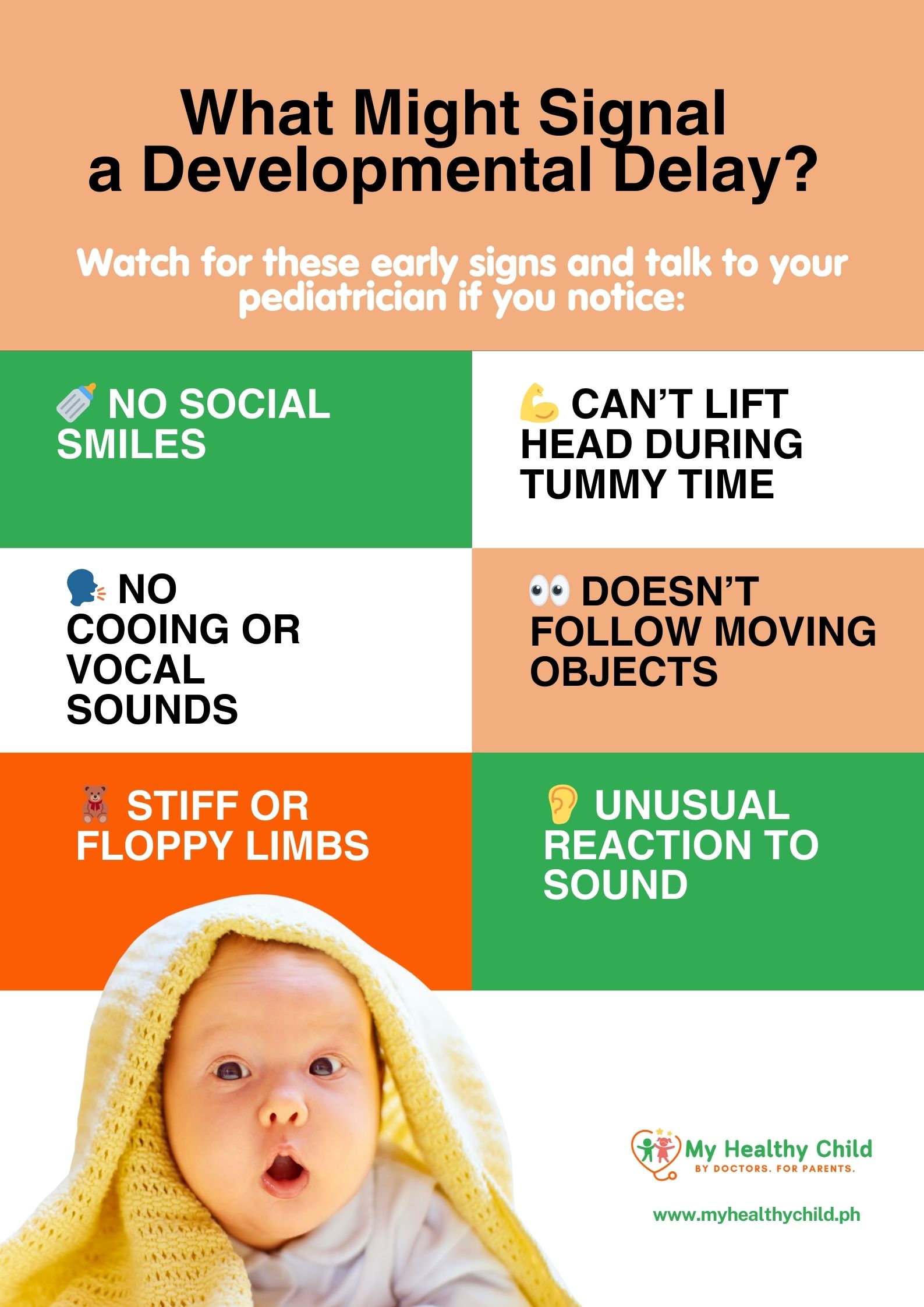
What Might Signal a Developmental Delay?
While small differences in development are normal, parents should be aware of early signs of a developmental delay, including:
- Lack of social smiling by 3 months
- Inability to lift head during tummy time
- No cooing or vocalization
- Does not follow objects with eyes
- Stiff or floppy muscles
- Unusual reactions to sound (either unresponsive or startled)
If you observe any of these, it’s important not to panic—but do bring it up with your pediatrician. A thorough developmental screening can help identify underlying issues and guide appropriate interventions.
From Early Growth to Middle School
Believe it or not, what happens during the 3 month developmental milestone can shape your child’s learning, behavior, and confidence later on—even into the middle school age. Building strong early foundations can help minimize future risks such as adolescence problems or even teen depression. Milestones are not only markers of growth—they’re windows of opportunity for connection, guidance, and care.
Supporting Healthy Growth: Parent Tips
Here’s how you can help your baby thrive at this age:
- Encourage tummy time every day to strengthen neck and back
- Talk and sing to your baby, even if they don’t respond yet
- Maintain a calm and responsive environment to build trust
- Watch for early signs of illness, especially if your baby seems lethargic or develops a baby fever
- Keep regular check-ups, even if development appears on track
Your attention and involvement matter more than you may realize. The care you provide now lays the groundwork for long-term well-being.
A MyHealthyChild Note: Your Baby’s First Wins Matter
At 3 months, your baby is quietly building the skills and confidence they’ll use for the rest of their life. Every smile, sound, and stretch is a celebration. These small moments matter—and noticing them early can make all the difference.
If you ever have concerns or just need support, trust that you’re not alone. MyHealthyChild is here to help guide you, inform you, and walk with you through every stage of parenthood.
Disclaimer:
The information in this article is intended for educational purposes only and does not substitute professional medical advice, diagnosis, or treatment. Always consult your physician, pediatrician, or qualified healthcare provider with any questions you may have regarding a medical condition or health objectives.