
Why Is My Baby’s Skin So Sensitive? Could It Be Allergies?
Learn how to tell if it’s eczema or something more, and how to care for sensitive skin without fear
At a Glance
- Sensitive skin is common in newborns and doesn’t always mean allergy
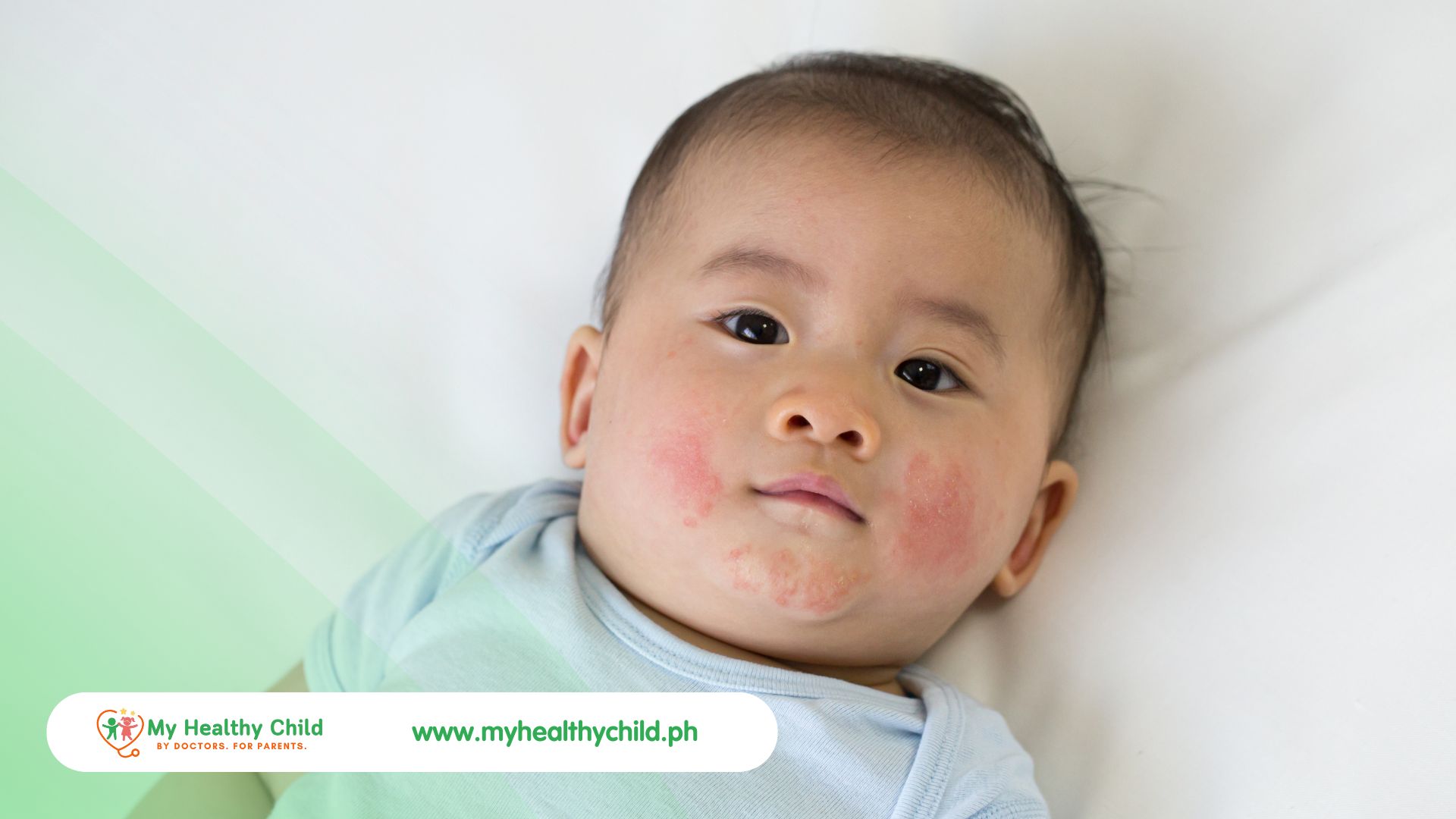
- Eczema often shows up as dry, red, itchy patches—especially on cheeks, arms, and legs
- Most reactions are manageable with proper skincare and don’t require major restrictions
What’s Normal for Newborn Skin
- Peeling: Normal in the first few weeks, especially in full-term babies
- Rashes: Newborn acne, heat rash, and erythema toxicum (small red spots) are common and self-resolving
- Milia: Tiny white bumps on nose and cheeks, not harmful
- These usually don’t require treatment and clear on their own
Signs of Eczema or Atopic Dermatitis
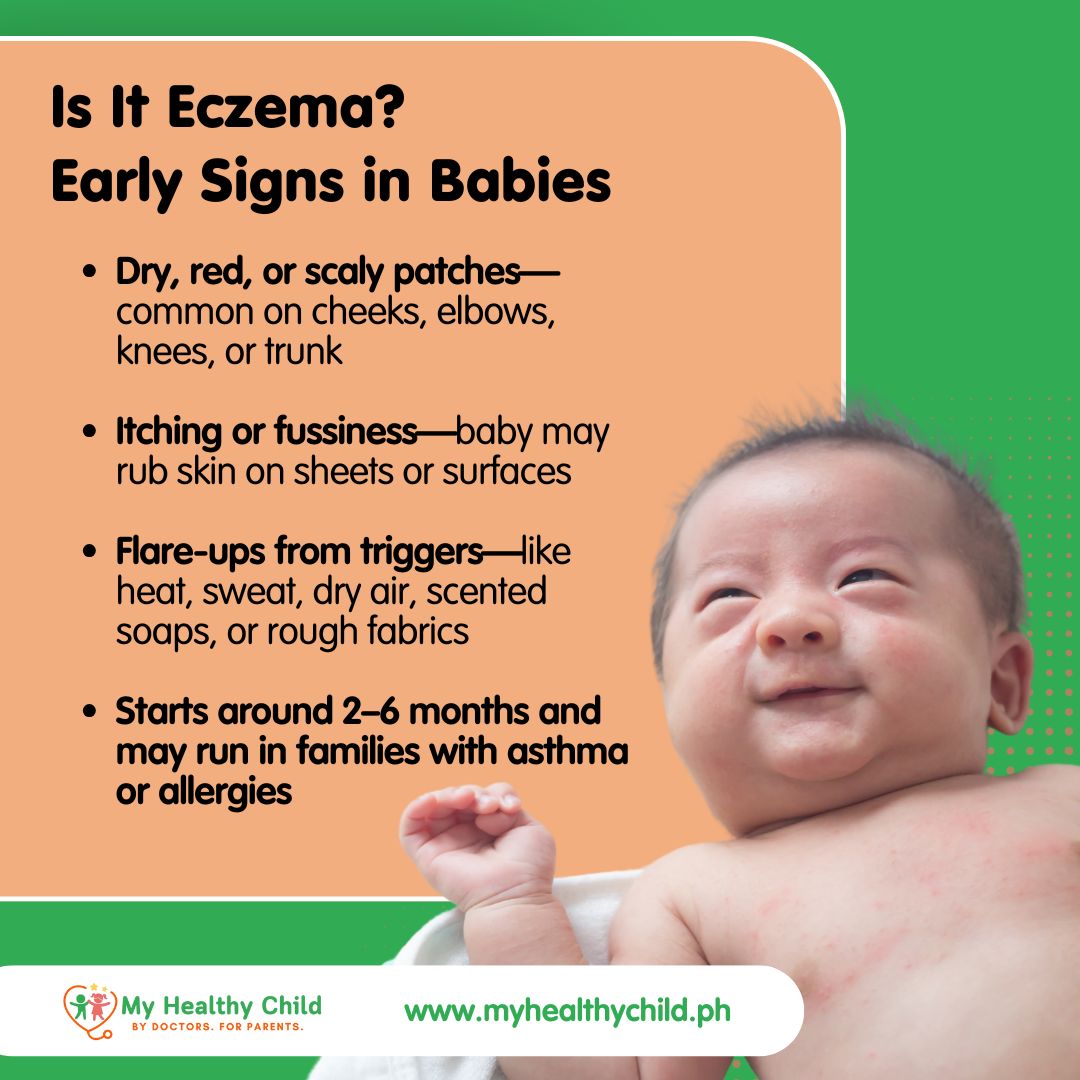
- Dry, scaly, or red patches: Especially on cheeks, elbows, knees, or trunk
- Itchiness: Baby may rub against surfaces or seem unusually fussy
- Flare-ups: Triggered by heat, sweat, dry air, or irritants like scented soap or rough fabrics
- Eczema often begins at 2–6 months and can run in families with asthma, allergic rhinitis, or food allergies
When It Might Be Allergy-Related
- If skin flares after feeding: Consider cow’s milk protein allergy (CMPA), especially in formula-fed infants
- Other signs: Blood in stool, excessive spitting, vomiting, poor weight gain
- Contact allergy is rare: But fragrances, detergents, or baby wipes can trigger local reactions
- Food allergy testing is not first-line for babies with only skin symptoms—consult your pediatrician first
How to Care for Sensitive Baby Skin
- Use fragrance-free cleansers and moisturizers: Apply lotion right after bathing to lock in moisture
- Short, lukewarm baths only: No scrubbing, and pat dry gently
- Dress in soft, breathable fabrics: Avoid wool, synthetics, or tight clothing
- Avoid over-washing: Bathing 2–3x per week is enough unless soiled
- Hydrocortisone creams: Should only be used under medical advice for moderate to severe eczema
What to Do Next: Guidance for Parents
- Track what seems to trigger flare-ups—climate, clothing, or feeding
- See your pediatrician if the rash spreads, worsens, or affects feeding or sleep
- Avoid making big dietary changes without medical input
Note:
This article was medically reviewed and written in collaboration with doctors and medical professionals committed to providing pediatric health education.
References:
American Academy of Pediatrics (AAP) – Newborn Health and Safety
Centers for Disease Control and Prevention (CDC) – Infant Care

Dean Angelo Dimaano, MD, DPPS, DPSNBM
Pediatrics and Neonatology
MJ Santos Hospital, Butuan City
MAB Rm 301
Mondays thru Saturdays
9:30am —onward
09951300090
Disclaimer:
The information in this article is intended for educational purposes only and does not substitute professional medical advice, diagnosis, or treatment. Always consult your physician, pediatrician, or qualified healthcare provider with any questions you may have regarding a medical condition or health objectives.