
Why Does My Child Keep Having Tummy Aches?

(Understanding Functional Abdominal Pain Disorders in Kids)
If your child often complains of stomach pain — but doctors can’t find anything “wrong” on tests — you’re not alone. About 13.5% of children worldwide experience what’s called a functional abdominal pain disorder (FAPD). The pain is real, but it isn’t caused by something you can see on an X-ray or lab test.
Why does this happen?
Think of the gut as a busy highway constantly talking to the brain. When the messages get scrambled, kids can feel discomfort even if the gut looks “normal.” Common triggers include:
- Gut imbalance (dysbiosis): Too few of the “good” bacteria
- Stress, anxiety, or low mood: Strong emotions make the gut more sensitive
- Past infections: Sometimes the gut stays unsettled even after recovery
- Inflammation: Low-grade irritation in the gut can trigger pain
It’s usually a combination of these factors, not just one.
What parents notice
- Frequent tummy pain (with no clear cause)
- Gas, bloating, or irregular bowel habits
- Fussiness or mood changes
- Missed school or playtime due to pain
What helps
- Balanced diet with fruits, vegetables, whole grains, and fiber
- Daily movement to keep digestion regular
- Consistent routines for meals, sleep, and play
- Emotional reassurance that the pain is real but not dangerous
- Probiotic support — research shows certain strains, like Limosilactobacillus reuteri, can:
- Reduce fussiness and crying in colicky babies
- Improve gut motility and digestion
- Support nutrient absorption
- Promote overall gut comfort
Always consult your child’s doctor before adding supplements.
When to seek medical advice
Call your doctor if your child has:
- Severe or worsening pain
- Pain that wakes them at night
- Vomiting, blood in stool, or weight loss
Key Parent Takeaway:
While functional tummy aches can be stressful for the whole family, they’re very common and manageable. With the right mix of healthy habits — and sometimes a little support from probiotics — most kids find their comfort and bounce back to being themselves again.
Parent Quick Guide: Gut Pain in Kids
What it is:
- A common, real tummy ache without clear test results
- Affects 1 in 8 kids worldwide
Causes:
- Gut imbalance
- Stress & emotions
- Past gut infections
- Low-grade inflammation
Helps at home:
✅ Healthy meals + fiber
✅ Play & movement
✅ Sleep & routines
✅ Stress relief
✅ Probiotic support (check with your doctor)
See a doctor if:
⚠️ Severe/worsening pain
⚠️ Weight loss or poor growth
⚠️ Blood in stool or vomiting
Disclaimer:
The information in this article is intended for educational purposes only and does not substitute professional medical advice, diagnosis, or treatment. Always consult your physician, pediatrician, or qualified healthcare provider with any questions you may have regarding a medical condition or health objectives.
Gut Health Check — Quick Self-Assessment
Answer these short questions to get a quick sense of your child’s gut health. Not a diagnosis — consult a doctor for concerns.
Parent Quick Guide
- Offer fiber-rich fruits, vegetables, and whole grains
- Keep regular sleep and mealtime routines
- Encourage daily movement or play
- Limit sugary and highly processed foods
When to seek care
- Severe, worsening, or night-waking pain
- Unexplained weight loss, vomiting, or blood in stool
- After antibiotics, ask about microbiome recovery strategies
Probiotics
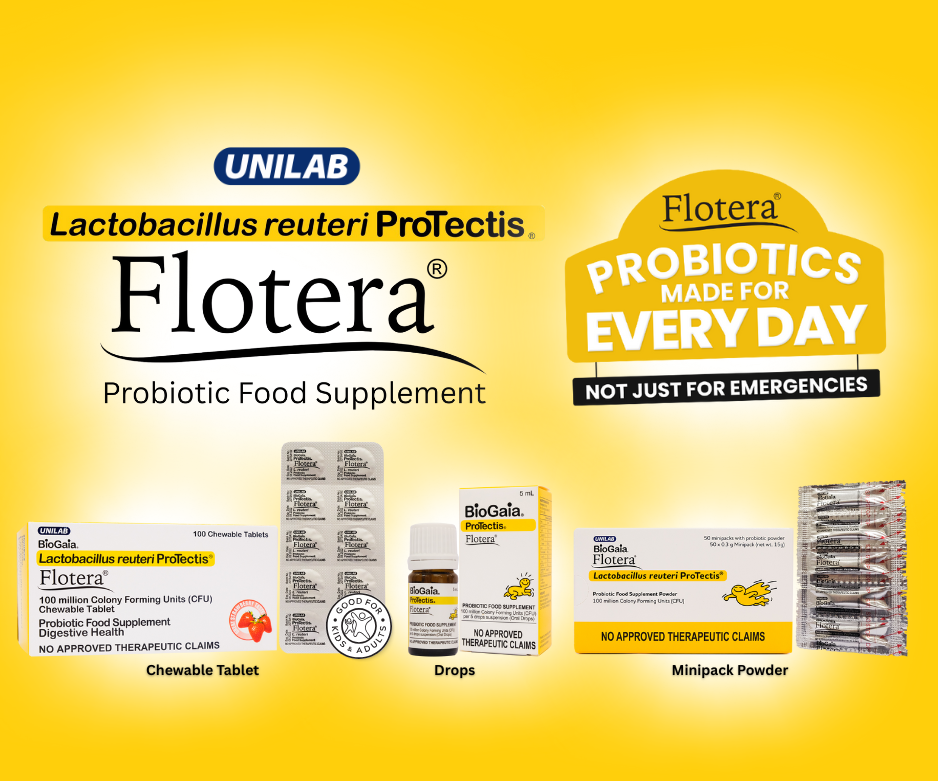
Some probiotic strains such as Lactobacillus reuteri are well studied in children and infants for supporting gut comfort. Families may discuss options with their healthcare professional to see if they are appropriate.
Disclaimer: This tool provides general information only and does not replace medical advice.
Powered by Flotera Probiotic Food Supplement