
Why Does My Baby Always Have Hiccups? A Fun but Honest Guide for Curious Parents
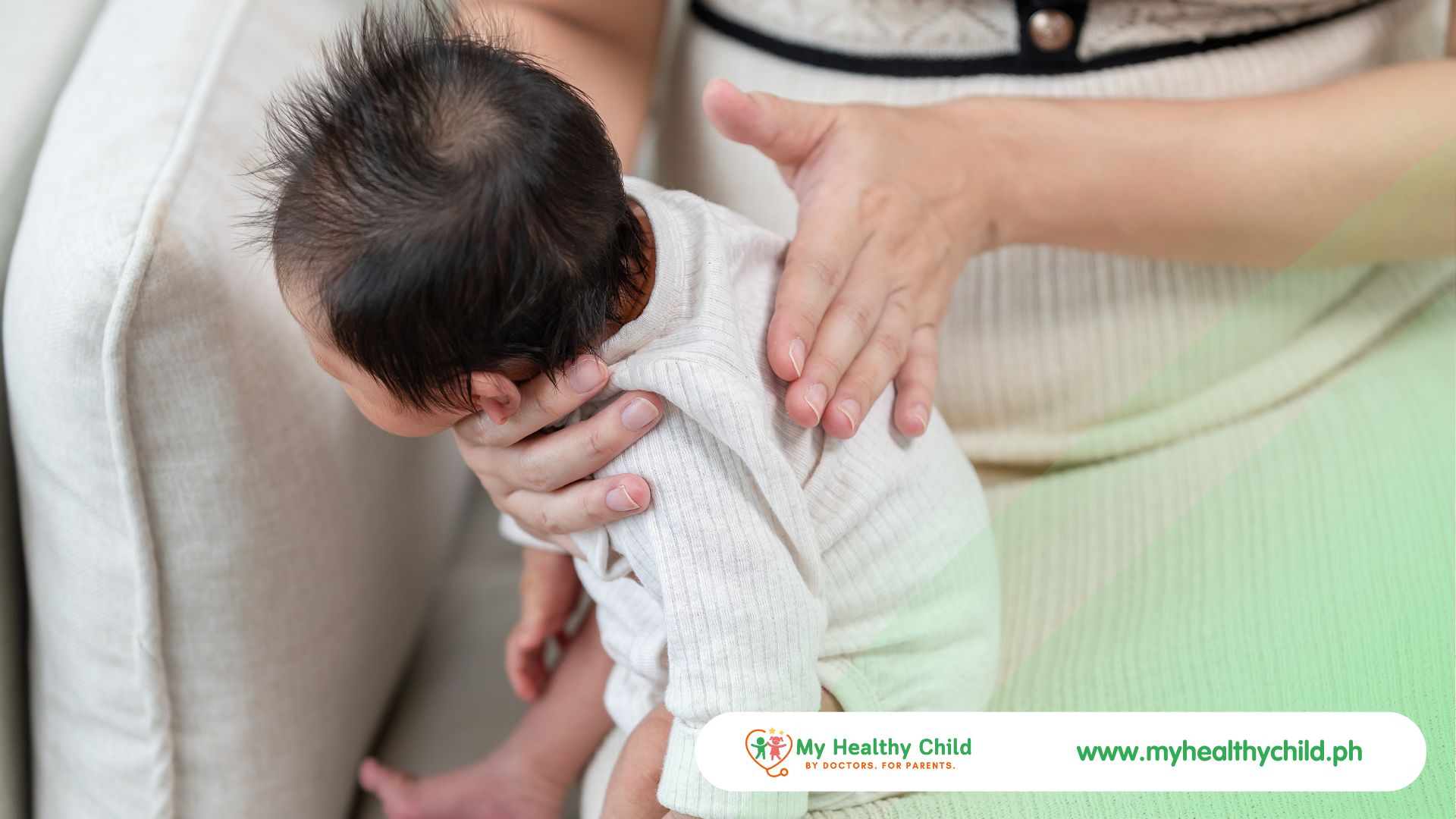
You’re holding your little one peacefully after a feeding… then suddenly: hic.
A few seconds later: hic.
And again. Hic-hic-hic.
Cue the questions.
Are they uncomfortable?
Are they full? Gassy? Cold?
Is this normal or do I need to call someone?!
Let’s put your mind at ease: newborn hiccups are incredibly common — and in most cases, totally harmless. In fact, some babies hiccup every day (and yes, even before they’re born!).
In this guide, we’ll explain why newborns get hiccups so often, how to reduce them gently, and when — in rare cases — you might want to check with your doctor.
First Things First: What Causes Baby Hiccups?
The technical reason? Diaphragm spasms.
The practical reason? Their bodies are still figuring things out.
Your baby’s diaphragm is a muscle just below the lungs that helps with breathing. In babies, this muscle is still developing — and sometimes it contracts suddenly. That’s what causes the “hic” sound.
It’s a totally natural reflex, just like sneezing or yawning.
Common triggers for newborn hiccups:
- Feeding too quickly 🍼
- Swallowing air while feeding
- A full tummy that puts pressure on the diaphragm
- Sudden temperature changes (e.g., cold air after a warm bath)
The good news? Hiccups don’t usually bother babies. You might find them annoying or even worrisome, but chances are your little one doesn’t mind at all.
Are Hiccups After Feeding Normal?
Yes — especially in the early months. One of the most common links is between feeding and hiccups. If baby gulps milk too quickly or swallows extra air, their tiny stomach stretches. That pressure can irritate the diaphragm, triggering hiccups.
And it doesn’t matter whether you’re breastfeeding or bottle-feeding — hiccups happen in both.
Can I Stop My Baby’s Hiccups?
You can’t always prevent them, but there are ways to help reduce how often they happen — and maybe shorten the duration when they do.
Here are gentle, pediatrician-approved ways to stop baby hiccups (or at least calm them down):
1. Slow things down at feeding time
Try feeding your baby more slowly, especially if they’re a fast eater. If you’re bottle-feeding, use a slow-flow nipple to help control the pace.
2. Burp more frequently
Instead of waiting until the end of a feed, pause every few minutes to burp. This helps release trapped air before it builds up and triggers a hiccup reflex.
3. Hold baby upright after feeding
Keep your baby upright for 20–30 minutes post-feed. Gravity can help milk settle, reducing the chance of hiccup-causing pressure.
4. Check for tummy pressure
Make sure baby’s diaper or clothes aren’t too tight around the belly. Light, comfy clothing makes a difference.
What Not to Do:
- Don’t try old wives’ tales like pulling baby’s tongue or making them sip water. These are not safe for infants.
- Never startle your baby to “scare away” the hiccups — it doesn’t work, and it’s not kind.
Most of the time, newborn hiccups will stop on their own within 5–10 minutes. And remember: it’s completely okay to do nothing if your baby seems happy and content.
When Should I Be Concerned About Hiccups?
It’s rare, but there are a few cases where frequent hiccups may signal something more.
📍 If your baby hiccups every single time they eat — and also shows signs of discomfort, like arching their back or crying — it could be linked to reflux.
📍 If hiccups are paired with vomiting, gagging, or trouble feeding, it’s worth talking to your pediatrician.
📍 If your baby isn’t gaining weight or seems unusually fussy, hiccups might just be part of a bigger issue to explore.
In very rare cases, hiccups may relate to gastrointestinal or neurological concerns — but again, that’s not typical.
For most babies, diaphragm spasms are just a quirky part of life outside the womb. Nothing more, nothing less.
Why Do Some Babies Get Hiccups So Often?
Some babies are just more hiccup-prone than others.
If your little one seems to hiccup after every nap, every feed, or even randomly throughout the day — that’s likely just their normal rhythm.
In fact, many babies start hiccupping while still in the womb — some as early as the second trimester! So if you felt rhythmic thumps during pregnancy, that may have been the start of their hiccup journey.
As their digestive system matures (around 4–6 months), you’ll probably notice a big drop in newborn hiccups.
Final Thoughts: Hiccups Aren’t the Enemy
You’re not doing anything wrong.
Your baby isn’t broken.
Hiccups aren’t dangerous.
They’re just… hiccups.
Sure, they can be annoying — especially when they interrupt naps or make you second-guess your feeding technique. But as long as your baby is happy, feeding well, and gaining weight, there’s usually no need to worry.
Newborn hiccups are just another funny (and sometimes frustrating) part of growing up.
And like most baby phases—they’ll pass before you know it.
More Peace of Mind, Less Guesswork — with MyHealthyChild
At MyHealthyChild, we turn parenting questions into clarity. Whether it’s hiccups, rashes, sleep routines, or tummy troubles — we break it down so you can show up with confidence.
✨ Trusted by pediatricians
✨ Written for Filipino parents
✨ No fear, just facts
Discover more expert-backed parenting tips at MyHealthyChild — because feeling clueless doesn’t mean you’re doing it wrong. It just means you’re learning. And we’re here for it.
Disclaimer:
The information in this article is intended for educational purposes only and does not substitute professional medical advice, diagnosis, or treatment. Always consult your physician, pediatrician, or qualified healthcare provider with any questions you may have regarding a medical condition or health objectives.