
Why Clean Indoor Air Matters for Your Family’s Health
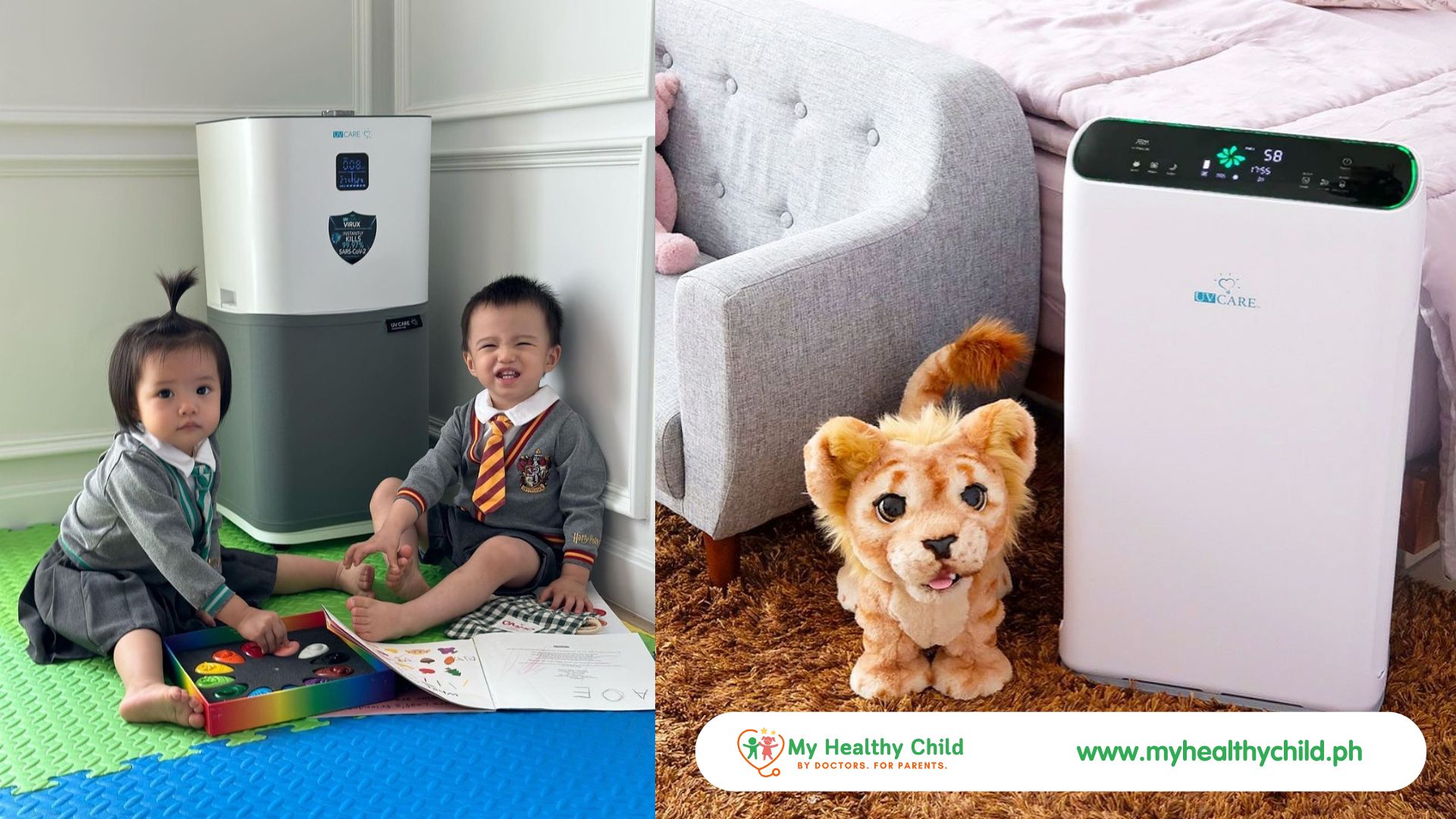
As parents, we work hard to protect our children—from healthy meals to regular check-ups. But one important aspect of health often goes unnoticed: the air inside our homes.
We spend up to 90% of our time indoors, and children breathe faster than adults, which means they take in more air relative to their body size (EPA, 2021). Unfortunately, everyday indoor air isn’t always as clean as it seems. Invisible particles and microbes can build up and affect children’s health.
The Hidden Risks in Indoor Air
Indoor air can contain:
- Viruses and bacteria that spread easily in closed spaces.
- Dust, pollen, and pet dander that trigger allergies and asthma.
- Toxins and chemicals from cooking, cleaning products, and household materials.
For children—especially those with asthma, allergies, or developing immune systems—these exposures can mean more frequent respiratory issues, poor sleep, or simply not feeling their best.
How to Support Cleaner Air at Home
Parents can take simple steps to improve indoor air quality:
- Ventilation – Open windows regularly when outdoor air quality is good to let fresh air circulate.
- Reduce indoor pollutants – Avoid smoking indoors, limit burning candles or incense, and use milder cleaning agents when possible.
- Routine cleaning – Dust and vacuum frequently to keep allergens under control.
For families looking for additional support, air purifiers can be helpful tools. The most effective models combine:
- Medical-grade HEPA filters – Capture 99.97% of fine particles like dust, pollen, and bacteria.
- Activated carbon filters – Absorb odors and chemical pollutants.
- UVC light technology – Inactivates certain viruses and bacteria that pass through the unit.
⚠️ Important note: If considering a purifier with UVC, parents should ensure it is certified ozone-free. Ozone is harmful to the lungs, especially for children, so always look for a purifier that guarantees zero ozone emission.
While not a substitute for ventilation and healthy habits, air purifiers with these features can provide an extra layer of protection—especially during flu season, high-pollen months, or when outdoor air is polluted.
Why This Matters for Kids
- Cleaner air can mean fewer respiratory infections and less irritation from allergens.
- Children may sleep better and concentrate more easily when breathing comfortably.
- Supporting the body with a healthier environment helps strengthen their natural defenses.
Parent FAQ: Air Purifiers and Kids
1. Are air purifiers safe for children’s rooms?
Yes—air purifiers with HEPA filters and certified ozone-free UVC technology are safe to use around children. Always check product safety certifications.
2. Do all air purifiers work the same?
No. Only medical-grade HEPA filters can trap the smallest airborne particles effectively. Some devices marketed as “air cleaners” may not capture viruses or fine allergens.
3. Will an air purifier prevent all illnesses?
No. Air purifiers reduce exposure to airborne particles but don’t replace good hygiene, handwashing, vaccination, or medical care. They work best as part of a broader healthy lifestyle.
4. What features should parents look for?
- Medical-grade HEPA filtration
- Activated carbon filter for gases and odors
- Ozone-free UVC light for added germ inactivation
- Certification from trusted safety agencies
Key Takeaway for Parents
Clean indoor air is part of a healthy home—just like nutritious food and safe water. Simple steps such as ventilation, regular cleaning, and mindful product use make a difference. For families who want extra reassurance, air purifiers with medical-grade HEPA filters, carbon filters, and ozone-free UVC light can provide an added safeguard against everyday airborne threats.
Disclaimer:
The information in this article is intended for educational purposes only and does not substitute professional medical advice, diagnosis, or treatment. Always consult your physician, pediatrician, or qualified healthcare provider with any questions you may have regarding a medical condition or health objectives.