
When Do I Call the Doctor About My Baby’s Cough?
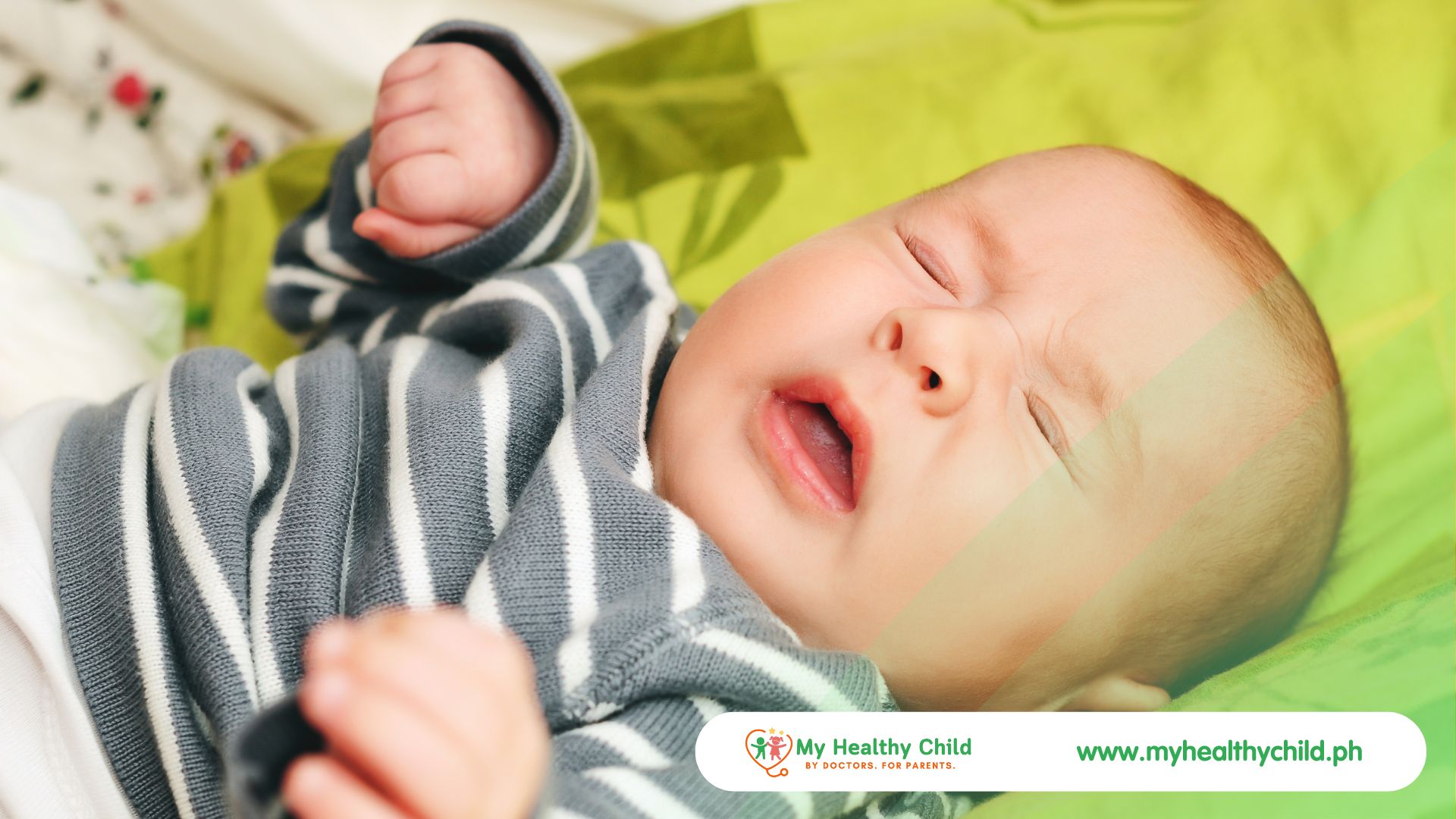
Your baby’s first sniffle is enough to send any parent into panic mode. But add in a cough—especially one that sounds raspy, dry, or just won’t go away—and the questions come flooding in.
Is it just a cold?
Is this normal?
Do I need to go to the ER?
Let’s break down what causes coughing in babies, how to spot red flags, and when it’s time to call your pediatrician. Whether it’s a newborn phlegm situation or a dry cough that won’t quit, this guide is here to help you stay calm and act smart.
Is Coughing Normal in Newborns?
Occasional coughing isn’t always a cause for concern. Babies can cough to clear saliva, milk, or minor irritants—especially if they’re still learning how to swallow and breathe at the same time.
But if the cough is persistent, comes with other symptoms, or sounds unusual, it may need a closer look.
What Could Be Causing It?
There are several common causes of coughing in infants:
1. The Common Cold
Mild and usually harmless, colds can cause a stuffy nose, sneezing, and a mild infant dry cough. If your baby is feeding and sleeping well, just monitor closely.
2. Croup
This viral infection causes a barking, seal-like cough (often worse at night) and can come with noisy breathing. Croup usually improves with cool mist and upright positioning, but can get worse quickly.
3. RSV (Respiratory Syncytial Virus)
This is more serious in babies under 6 months. RSV can cause wheezing, fast breathing, and newborn phlegm buildup. It’s one of the top reasons for hospitalization in infants—so if symptoms escalate, don’t wait.
Red Flags: When to Call the Doctor Immediately
Don’t wait—seek medical help right away if you see:
🚨 Blue or dusky lips/skin
🚨 Wheezing in babies – whistling or high-pitched noise when breathing out
🚨 Chest retractions – ribs sucking in with each breath
🚨 Breathing faster than 60 breaths per minute
🚨 Grunting, flaring nostrils, or head bobbing with breaths
🚨 Cough is persistent and gets worse each day
🚨 Baby is lethargic, not feeding, or has fewer wet diapers
These signs may indicate more than just a cold—like RSV, bronchiolitis, or even pneumonia. Head to your pedia or ER if anything feels off.
What About Baby Cough Medicine?
Let’s be clear: baby cough medicine is not safe for infants under 2 years unless prescribed by a pediatrician.
Over-the-counter remedies can do more harm than good. Even natural products or herbal syrups should be avoided unless your doctor specifically approves them.
If your baby has a cough, skip the cough medicine aisle and focus on comfort measures—unless your doctor recommends otherwise.
So if you’re tempted to reach for baby cough medicine, remember: always ask first. It’s not worth the risk.
What You Can Do at Home
If your baby’s cough is mild and there are no red flags, you can try these gentle remedies to ease discomfort:
1. Use a Cool Mist Humidifier
Keeps air moist, especially helpful for infant dry cough and croup-type symptoms.
2. Saline Drops + Bulb Suction
Helps clear stuffy noses, which can reduce post-nasal drip (and lessen coughing).
3. Hold Baby Upright
Let gravity help them breathe easier, especially after feeds or naps.
4. Offer Frequent Feeds
Helps loosen mucus and keeps them hydrated.
These comfort strategies are safe, simple, and can help manage symptoms while your baby heals.
Can Gas Cause Coughing?
It might surprise you, but yes—gas and reflux can sometimes cause coughing. If your baby coughs mostly after feeds, arches their back, or seems gassy and fussy, it could be mild reflux. Talk to your pediatrician for evaluation and feeding tips.
Should I Use Cough Drops or Herbal Remedies?
No. Just like baby cough medicine, cough drops and herbal teas are not recommended for infants. They can be choking hazards or trigger allergic reactions.
Stick with what’s safe, simple, and doctor-approved.
Final Thoughts: Watch, Wait, or Worry?
A baby’s cough can be stressful—but understanding what to look for makes all the difference.
If your baby has:
✅ No trouble breathing
✅ A mild infant dry cough
✅ Is feeding well and having wet diapers
…you’re likely safe to monitor at home.
But if you notice persistent cough, breathing changes, or wheezing in babies, don’t hesitate to call your pediatrician—or head to the ER if symptoms worsen.
MyHealthyChild: Helping You Breathe Easier, Too
At MyHealthyChild, we turn late-night worries into real answers—from newborn phlegm to safe alternatives to baby cough medicine and more.
✅ Backed by pediatricians
✅ Written for Filipino families
✅ Focused on calm, clear support
Explore more at MyHealthyChild — because every breath matters, and every question deserves clarity.
Disclaimer:
The information in this article is intended for educational purposes only and does not substitute professional medical advice, diagnosis, or treatment. Always consult your physician, pediatrician, or qualified healthcare provider with any questions you may have regarding a medical condition or health objectives.