
What Vaccines Does My Newborn Need and When?
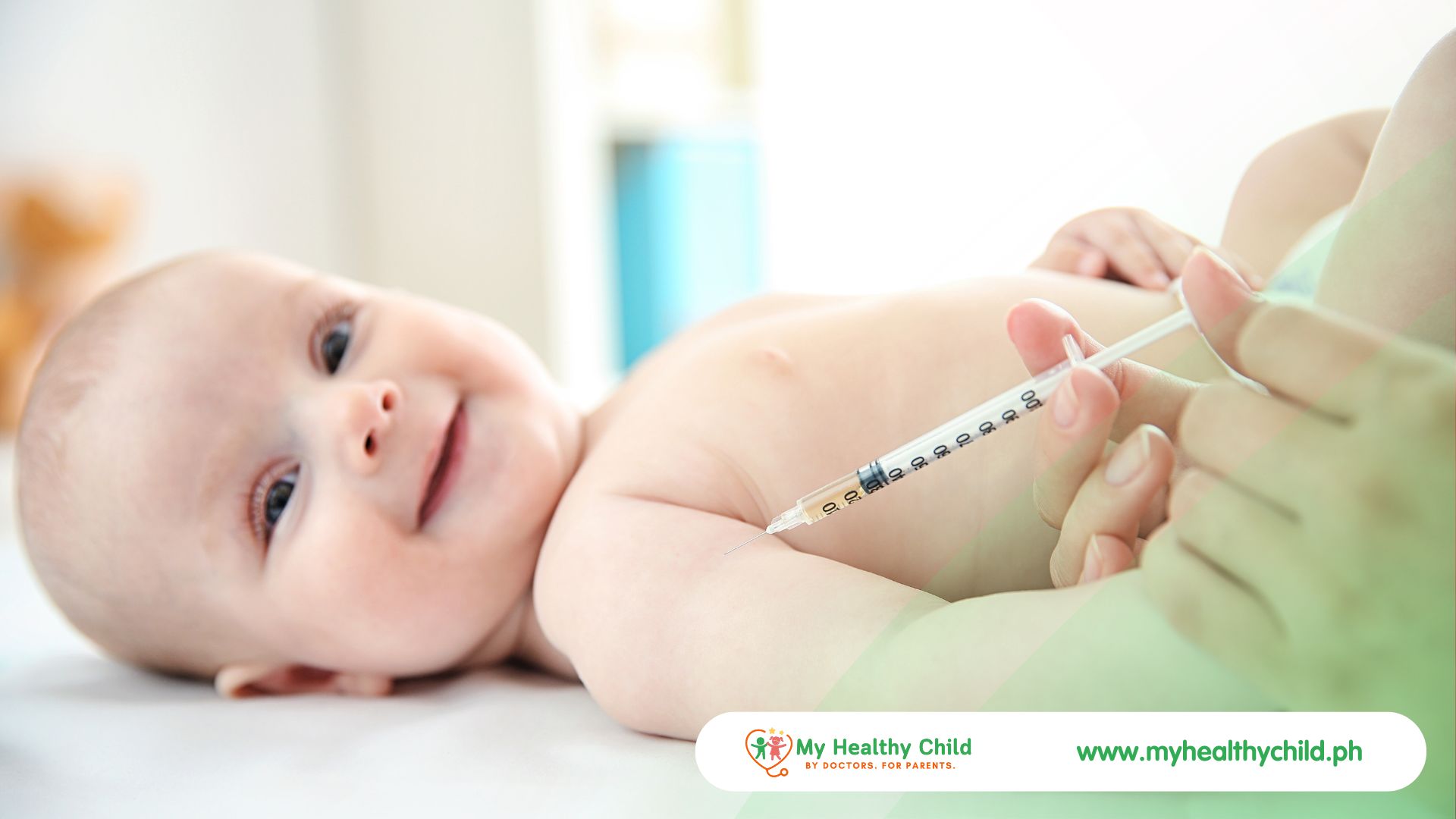
Okay, real talk: nothing tugs harder on your heart than watching your baby get a shot.
Tiny arms. Big tears. That guilty look they give you.
But here’s the truth: those vaccines are little shields—protecting your newborn from serious illnesses they can’t fight off on their own.
And following the right newborn vaccination schedule isn’t just important. It’s lifesaving.
In this guide, we’ll break down which vaccines your baby needs, when they’re given, and how to stay calm through the process. Because informed parents = confident parents.
Why Vaccines Are So Important for Newborns
Newborns have immature immune systems. That means they’re vulnerable to infections that might just cause a mild cough in adults—but can be life-threatening for babies.
Vaccines help “train” your baby’s immune system to fight diseases safely—without needing to get sick first. They protect against illnesses like:
✅ Hepatitis B
✅ Rotavirus
✅ Polio
✅ Pneumonia
✅ Meningitis
✅ Diphtheria, tetanus, and pertussis (whooping cough)
And the earlier your baby is protected, the better.
The Newborn Vaccination Schedule: A Quick Look
Here’s a simplified version of your baby’s newborn vaccination schedule during their first year.
At Birth
- Hepatitis B (1st dose)
Protects against a liver infection that can become chronic and dangerous later in life.
At 2 Months
- DTaP (1st dose) – Diphtheria, tetanus, pertussis
- Polio (IPV 1st dose)
- Hib (1st dose) – Haemophilus influenzae type b
- PCV (1st dose) – Pneumococcal conjugate
- Hepatitis B (2nd dose)
- Rotavirus vaccine (1st dose) – Oral drops to prevent severe diarrhea
At 4 Months
- Repeat of:
- DTaP (2nd dose)
- Polio (2nd dose)
- Hib (2nd dose)
- PCV (2nd dose)
- Rotavirus vaccine (2nd dose)
- DTaP (2nd dose)
At 6 Months
- DTaP (3rd dose)
- Polio (3rd dose)
- Hepatitis B (3rd dose)
- Hib (3rd dose, if needed)
- PCV (3rd dose)
- Influenza (flu shot – yearly from 6 months onward)
Wait, That’s a Lot. Is It Safe?
Yes. 100%.
Vaccines go through years of testing before being given to the public. They’re monitored constantly for safety—and they’re safe even for newborns.
Vaccine safety is one of the most studied medical topics on the planet. Side effects are usually mild and temporary.
Common reactions include:
- Mild fever
- Soreness or redness at the injection site
- Fussiness for a day or two
These are signs your baby’s immune system is doing its job.
Why Timeliness Matters
Following the newborn vaccination schedule ensures your baby is protected before they’re exposed to harmful germs. Delays leave a gap in immunity—and that can be risky.
Vaccines like the rotavirus vaccine have strict timing. For example, the first dose must be given by 15 weeks of age and completed by 8 months. So staying on schedule really matters.
Your Cheat Sheet: First-Year Vaccine Timeline
Age | Vaccines |
Birth | Hepatitis B (1st dose) |
2 Months | DTaP, Polio, Hib, PCV, Hep B (2nd), Rotavirus vaccine (1st) |
4 Months | DTaP, Polio, Hib, PCV, Rotavirus vaccine (2nd) |
6 Months | DTaP, Polio, Hib (if needed), Hep B (3rd), PCV, Flu vaccine |
Every Year | Annual Flu Shot (starting at 6 months) |
Bookmark this and bring it to your pedia appointments. ✅
Pro Tips for Shot Day
🍼 Feed before the appointment – A calm, full baby handles shots better
💞 Cuddle right after – Skin-to-skin contact soothes babies fast
🌡️ Expect mild fever or crankiness – It’s normal and usually fades in 24 hours
👩⚕️ Ask your pedia if paracetamol is recommended after vaccines (don’t give preemptively unless told to)
FAQs Parents Ask
“Can I delay vaccines to ‘space them out’?”
Doctors don’t recommend it. Spacing them out actually delays protection and increases risk of exposure. The current immunization timeline is based on when your baby is most vulnerable and when their body can respond best.
“What if my baby has a fever on the day of the vaccine?”
If the fever is mild (below 100.4°F), many pediatricians still allow shots. But always call your clinic first to check.
“Are vaccines still safe during minor colds?”
Yes. A runny nose or mild cough isn’t a reason to skip shots. But wheezing, difficulty breathing, or high fever might be. Ask your doctor.
Final Thoughts: Shots Aren’t Easy, But They Are Powerful
Vaccines are one of the most important gifts you’ll give your baby: protection, peace of mind, and a better chance at a healthy future.
So while your heart might ache a little at every poke, know that you’re doing something incredible.
You’re giving your child a shield—against things they can’t fight alone.
Trust MyHealthyChild with Every Shot, Sniffle, and Smile
At MyHealthyChild, we make it easy to stay on track with your newborn vaccination schedule—from hepatitis B at birth to rotavirus vaccine milestones.
✅ Evidence-based guidance
✅ Made for Filipino families
✅ Always calm, always clear
Learn more at MyHealthyChild — because protecting your baby starts with knowing when, how, and why.
Disclaimer:
The information in this article is intended for educational purposes only and does not substitute professional medical advice, diagnosis, or treatment. Always consult your physician, pediatrician, or qualified healthcare provider with any questions you may have regarding a medical condition or health objectives.