
What to Feed a Child with Dengue: Boost Recovery with the Right Food
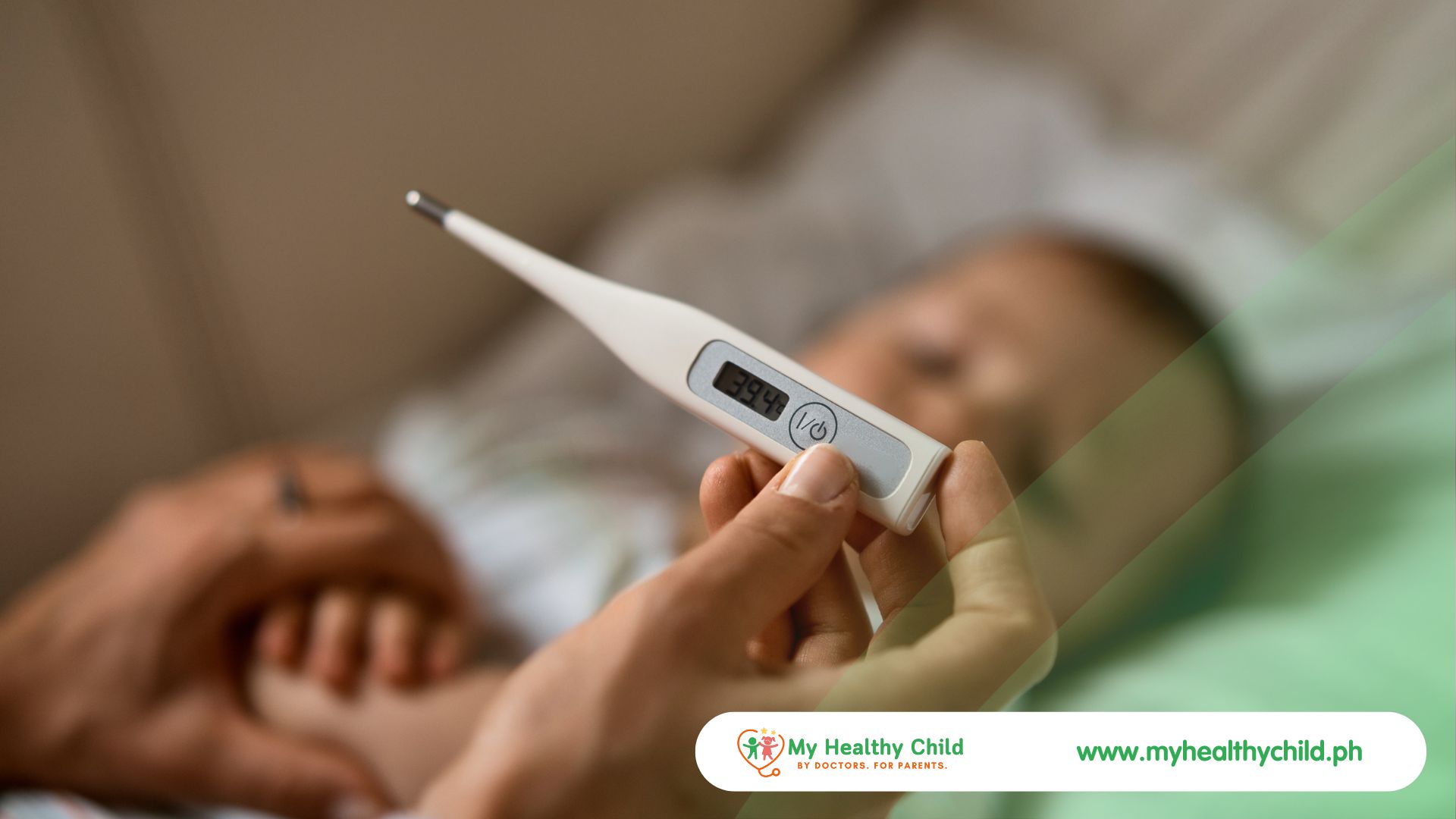
When a child is diagnosed with dengue fever, one of the most important aspects of care is nutrition. A proper diet not only provides strength during the course of the illness but also plays a critical role in improving platelet count and supporting faster recovery.
In this article, we’ll guide you through the best food for dengue patient (child), what to avoid, how to handle baby fever, and the dietary care essentials for dengue symptoms such as dengue rashes and dehydration during the rainy season.
Why Nutrition Matters in Dengue Recovery
Dengue causes high fever, body aches, rashes, and a significant drop in platelet count. For children, especially those with weaker immune systems, the illness can take a heavier toll. Providing the right food supports the body’s ability to fight the virus, maintain hydration, and replenish energy.
Key Nutritional Goals:
- Boost the immune system
- Support platelet production
- Prevent dehydration
- Restore energy levels
Top Food for Dengue Patient (Child)
Here are child-friendly foods that support recovery and are easy to prepare:
Food Group | Examples | Benefits |
Hydrating Fluids | Coconut water, oral rehydration solutions, clear broth | Prevents dehydration and maintains electrolyte balance |
Fruits | Papaya, kiwi, banana, oranges, apples | Papaya and kiwi may support platelet count; vitamin C helps fight infection |
Vegetables | Carrots, squash, malunggay, spinach | High in vitamins and iron, supports blood regeneration |
Proteins | Soft-boiled eggs, tofu, lean chicken, fish | Promotes tissue repair and strength |
Carbohydrates | Rice, congee, soft bread, mashed potatoes | Supplies energy for recovery |
Herbal Support | Papaya leaf juice (in moderation and under supervision) | Traditionally used for potential platelet increase (note: not a substitute for medical care) |
Sample Weekly Meal Plan for a Child with Dengue
This gentle meal plan is suited for children aged 4–12 recovering from dengue. Adjust portions based on age and appetite.
Day | Breakfast | Lunch | Snack | Dinner |
Mon | Rice porridge + banana | Soft chicken soup + rice | Coconut water + crackers | Squash soup + boiled egg |
Tue | Oatmeal + kiwi | Malunggay monggo + soft rice | Papaya slices + water | Mashed potatoes + fish |
Wed | Soft bread + peanut butter | Chicken congee + boiled carrots | ORS + banana | Spinach soup + tofu |
Thu | Scrambled egg + rice | Clear broth with noodles + veggies | Kiwi + water | Soft fish + mashed squash |
Fri | Rice + hard-boiled egg | Chicken arroz caldo | Papaya juice + toast | Malunggay soup + rice |
Sat | Toast + mango | Veggie rice + lean chicken | Banana + coconut water | Soup + egg |
Sun | Congee + kiwi | Spinach omelet + rice | ORS + apple slices | Fish soup + rice |
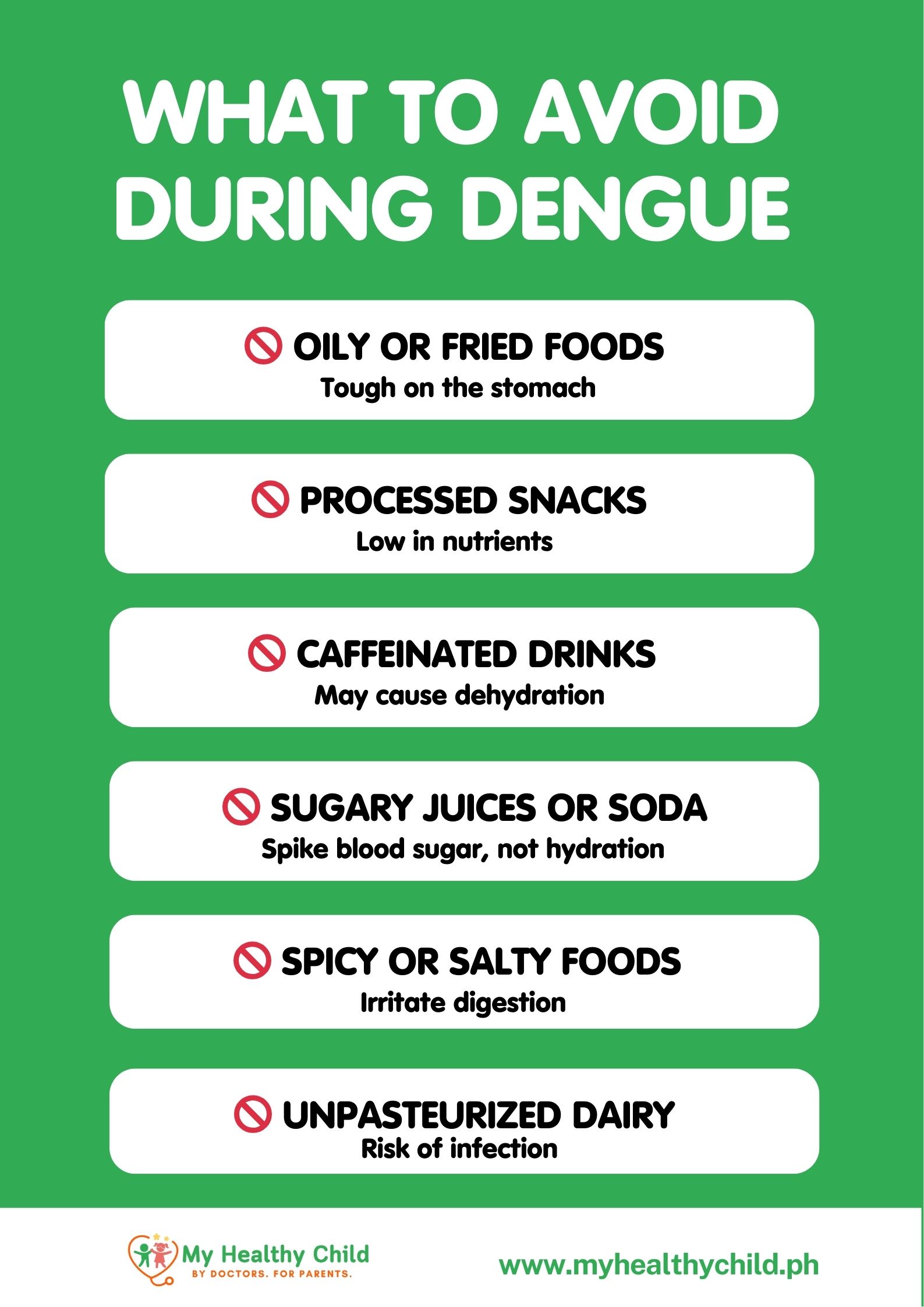
What to Avoid During Dengue
Not all foods help. Some may irritate the stomach, worsen symptoms, or slow down recovery.
Avoid:
- Oily or fried foods (hard to digest)
- Processed snacks or junk food (low in nutrients)
- Caffeinated drinks (can dehydrate)
- Sugary juices or soda
- Foods that are too spicy or salty
- Unpasteurized dairy products
If the child also has baby fever, opt for lukewarm, soft meals and avoid extreme hot or cold food to prevent triggering more discomfort.
Nutrition During Baby Fever and Dengue Rashes
Fevers are common in dengue and can cause children to lose their appetite. Focus on hydration and offer small, frequent meals.
When Baby Fever Is Present:
- Use infant cold medicine or paracetamol only as prescribed
- Keep the child in light clothing
- Offer cold sponge baths, but avoid ice baths
For children with dengue rashes, gentle and hydrating foods like broth, soft fruits, and congee help avoid irritation while supporting the skin from the inside.
Supporting Platelet Count Through Food
Although no food alone can cure dengue or directly raise platelets overnight, some options are believed to be supportive.
Examples:
- Papaya leaf extract (under supervision)
- Pomegranate juice
- Spinach
- Beetroot
- Pumpkin
Always consult your child’s doctor before giving supplements or herbal extracts, especially during a sensitive illness like dengue.
When to See a Doctor
While food for dengue patient (child) is critical, it should go hand in hand with medical supervision. Watch out for:
- Worsening fever or persistent vomiting
- Bleeding gums or nose
- Extreme weakness or drowsiness
- Signs of dehydration
- Drop in urination
- Appearance of blood in stool or vomit
These may be signs of severe dengue and require immediate medical care.
A MyHealthyChild Touch: Let's Cook for Healing
Dengue recovery isn’t just about medicines—it’s about care, comfort, and consistency. When you prepare meals during your child’s illness, you’re not just feeding their body—you’re restoring strength, warmth, and love.
Try making mealtime something your child can look forward to. Add a favorite fruit. Let them help pick a soft snack. Encourage a few extra sips of water with each bite.
Sometimes, the spoonful that heals is the one served with care.
Disclaimer:
The information in this article is intended for educational purposes only and does not substitute professional medical advice, diagnosis, or treatment. Always consult your physician, pediatrician, or qualified healthcare provider with any questions you may have regarding a medical condition or health objectives.