
What to Feed a 1-Year-Old Baby: Daily Meal Plan and Sick Day Nutrition
By the time your child turns one, they’re exploring solid foods, developing preferences, and testing their independence at the dining table. But along with this exciting phase come a few curveballs—like picky eating, fevers, or illnesses like dengue. That’s why knowing exactly what 1 year old baby food looks like—on both regular days and sick days—is essential for parents.
Whether you’re planning meals or navigating through a feverish toddler or dengue symptoms, this guide walks you through nutritious, age-appropriate options and hydration tips to keep your baby nourished and safe.
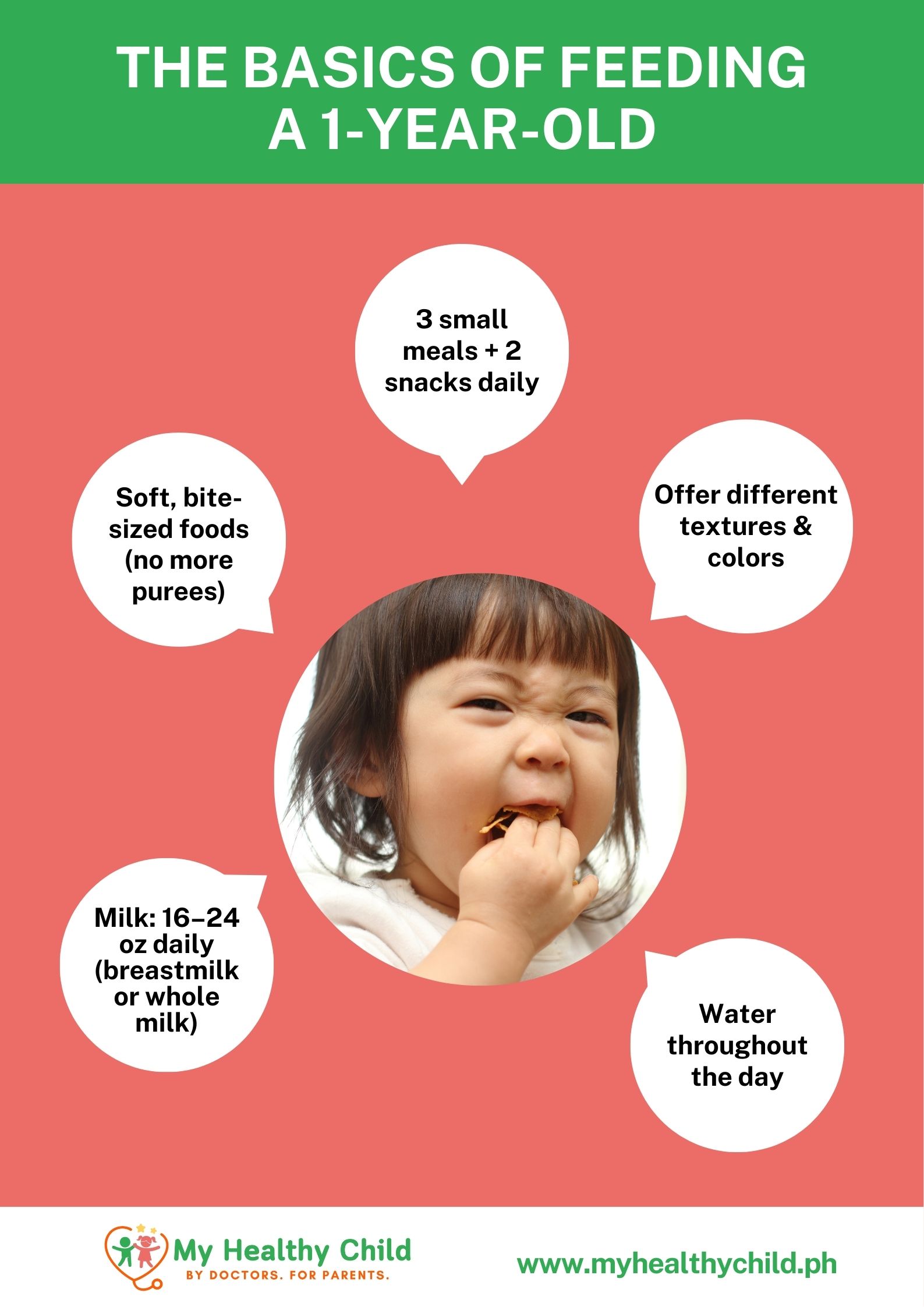
The Basics of Feeding a 1-Year-Old Baby
At 12 months, your baby is making the transition from infant nutrition to toddler meals. They may still take breastmilk or formula, but solids should now play a bigger role in their daily diet.
Here’s what a healthy 1 year old baby food pattern generally includes:
- 3 small meals + 2 snacks per day
- Soft, bite-sized foods (not purees anymore)
- Variety of textures and colors
- Water offered throughout the day
Milk intake: 16–24 oz (around 470–710 mL) per day, including breastmilk or whole milk
Sample Weekly Meal Plan for 1-Year-Olds
Here’s a sample 5-day menu with options for breakfast, lunch, snacks, and dinner. Adjust based on your child’s appetite, allergies, and food preferences:
Day | Breakfast | Lunch | Snack | Dinner |
Mon | Mashed banana + toast strips | Chicken arroz caldo | Soft pear slices | Steamed fish + mashed squash + rice |
Tue | Scrambled egg + sliced avocado | Minced pork + monggo soup | Yogurt | Boiled potato + soft-cooked broccoli |
Wed | Oatmeal + diced mango | Tinolang manok (shredded) + rice | Cheese + soft crackers | Chopped tofu + mixed veggies |
Thu | Pancakes (no syrup) + watermelon | Sautéed ampalaya (light) + minced beef | Banana + rice cake | Sotanghon soup with chicken bits |
Fri | Rice porridge + soft apple cubes | Lumpiang gulay (chopped fine) + rice | Milk + whole wheat bread | Ginisang kalabasa + soft ground pork |
Sick Day Nutrition: What to Feed During Fevers
When your baby has a baby fever, their appetite may drop—but their body still needs energy to fight off illness. The golden rule: hydration and easily digestible foods.
Here’s how to adapt 1 year old baby food during a fever episode:
- Hydration first: Offer water, breastmilk, or formula frequently. You may also offer oral rehydration solutions in small sips if they’re not eating well.
- Warm broths and soups: Chicken or vegetable soup helps soothe sore throats and provides nutrients.
- Soft, bland foods: Mashed potatoes, congee, or rice with mild veggies are easier on the stomach.
- Fruit with high water content: Watermelon, ripe pear, or banana help replenish fluids and provide energy.
- Avoid processed or sugary foods that can worsen inflammation.
Baby fever temperature above 100.4°F (38°C) should be monitored closely. Feeding during these times is not about quantity—it’s about comfort and essential nutrition.
Nutrition Tips for Dengue Recovery
If your child has dengue symptoms such as fever and dengue rashes, nutrition becomes a key part of recovery.
Here’s a quick reference on food for dengue patient (child) and what to avoid:
Safe Foods:
- Fresh fruits high in vitamin C (oranges, guava)
- Iron-rich vegetables (malunggay, spinach)
- Protein: eggs, tofu, chicken, fish (well-cooked and soft)
- Rice porridge or lugaw
- Soup with malunggay or tinola with sayote
Foods to Avoid:
- Oily or fried foods
- Spicy or heavily seasoned meals
- Sugary snacks and soda
Hydration is critical—make sure your child drinks water or oral rehydration solutions regularly. Cold compresses and fever-reducing medicine (as prescribed) may help manage symptoms alongside this supportive diet.
Understanding Food Progression from Infancy to 1 Year
To understand your child’s growth, it helps to look back at milestones such as the 3 month developmental milestone—when babies begin to develop head control and start interacting with their environment. By 1 year, your child:
- Can pick up small pieces of food using thumb and forefinger
- Imitates others during mealtimes
- Begins to prefer certain tastes and textures
These changes mean 1 year old baby food should balance nutrition with self-feeding skills. Give them utensils (even if messy), encourage finger foods, and celebrate little wins like finishing their soup.
Meal Prep Tips to Make Life Easier
- Batch cook: Prepare and freeze small portions of arroz caldo, veggie soup, or chicken stew.
- Use silicone feeders or mesh bags for fruit snacks without choking risk.
- Meal variety by color: Offer something green, orange, and yellow daily for a fun visual and nutritional balance.
- Always supervise: Sit with your child during meals to prevent choking and encourage better eating habits.
When to Call the Doctor
Call your pediatrician if your baby:
- Has a baby fever temperature of 100.4°F (38°C) or higher for more than 2 days
- Is refusing to eat or drink for over 12 hours
- Shows signs of developmental delay like difficulty chewing or swallowing at 1 year
- Has worsening dengue rashes or unusual bleeding/bruising
- Becomes lethargic or unusually irritable during feeding times
Early intervention can help manage both nutritional gaps and illness-related complications.
A Taste of Independence: Let Your Toddler Explore Food with Joy
One-year-olds are natural explorers—and that includes food. While it’s easy to get worried when they eat less during a fever or push away veggies during dinner, remember: healthy habits are formed through patience, exposure, and encouragement.
Let your child enjoy a variety of meals, including traditional Filipino favorites, and trust that with your guidance, they’ll develop a lifelong love for food that fuels growth.
The MyHealthyChild Touch:
Eating isn’t just about nutrition—it’s how your child learns joy, connection, and comfort. The table is where growth, culture, and care come together. Your effort in shaping mealtime now is shaping their future health, one bite at a time.
Disclaimer:
The information in this article is intended for educational purposes only and does not substitute professional medical advice, diagnosis, or treatment. Always consult your physician, pediatrician, or qualified healthcare provider with any questions you may have regarding a medical condition or health objectives.