
What Should I Do When My Child Has a Fever?
Know how to manage fevers at home, what warning signs to watch for, and when to call your pediatrician.
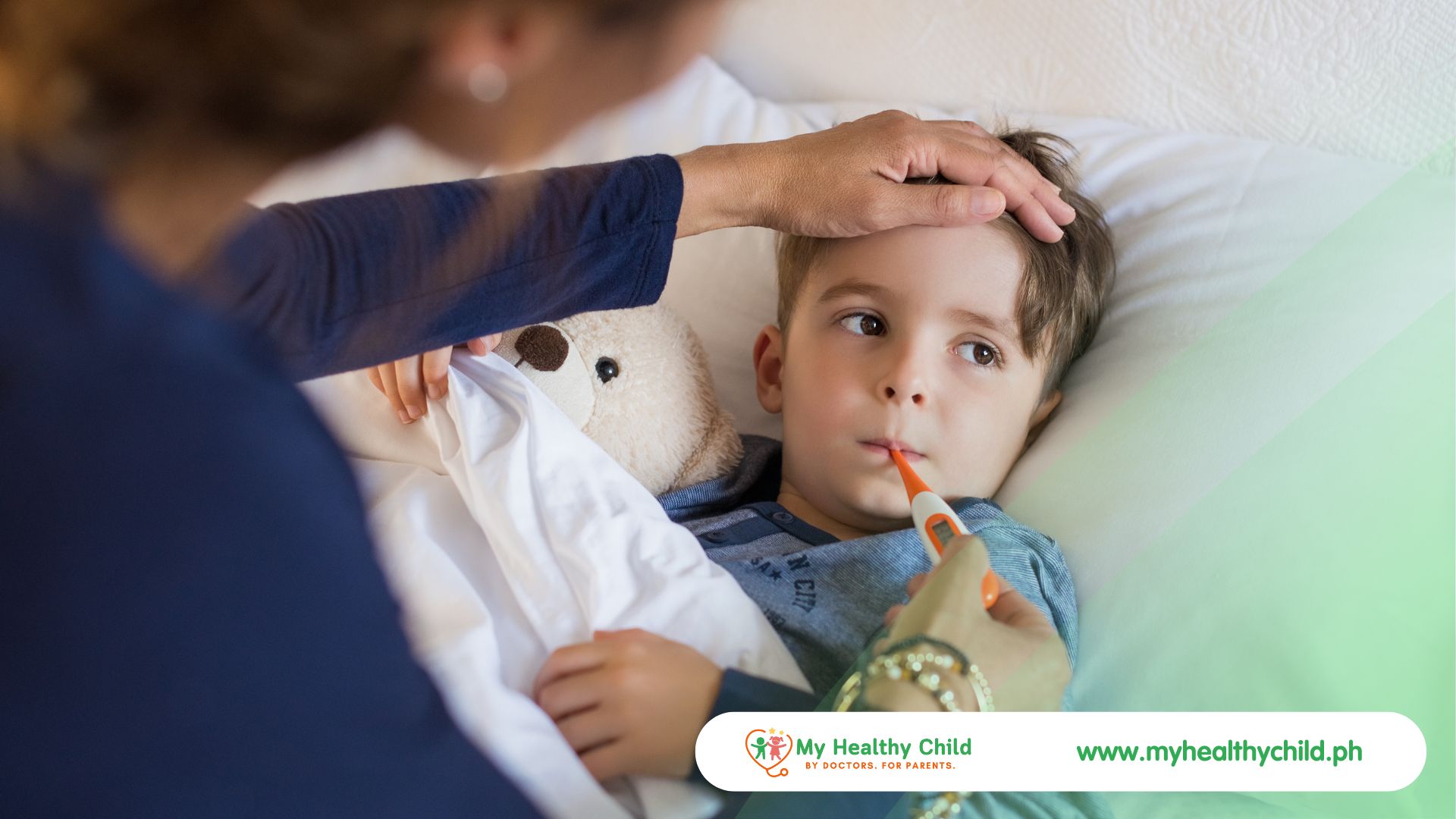
When your child’s forehead feels warm and the thermometer confirms it—your heart rate probably spikes too. Fevers can be scary, especially when they strike at midnight. But here’s the truth: a fever is not your enemy—it’s your child’s immune system doing its job. 🦠
Let’s break it down: what’s normal, what’s not, and what to actually do when baby fever strikes.
What Counts as a Fever?
A fever means a body temperature of 100.4°F (38°C) or higher.
And remember: fever is a symptom, not a sickness. It usually signals that the body is fighting off an infection—most often viral.
Fever becomes a concern based on the child’s age, behavior, and symptoms—not just the number on the thermometer.
How Do Fevers Affect Kids Differently?
Here’s what to watch for depending on your child’s age:
Babies Under 3 Months:
- Any rectal temperature of 100.4°F (38°C) or higher is an emergency.
Rectal temperature is the most accurate at this age—other methods (like forehead scanners or armpits) may be unreliable. - Seek immediate care—go to the ER or call your pediatrician right away.
Children 3 Months to 3 Years:
- Are they still alert, eating, drinking, or playing (even a little)? That’s a good sign. 🌈
- If they’re listless, not drinking, or unusually sleepy—get help.
Kids Over 3 Years:
- Their fevers may spike with viruses but usually aren’t dangerous.
Focus more on their behavior and energy, not just the temperature.
What to Do When Your Child Has a Fever
1. Stay Calm
Fever means the immune system is working. Most fevers don’t need panic—just care. 💕
2. Watch Behavior, Not Just the Number
A child with a 102°F (38.9°C) fever who’s sipping water and watching cartoons is often less concerning than a child with a 100.5°F (38°C) fever who’s unresponsive.
3. Keep Them Hydrated
💧 Fluids are crucial. They help:
- Prevent dehydration (which makes everything feel worse)
- Support your child’s recovery
Offer:
- Water 💦
- Breast milk or formula for infants
- Oral rehydration solutions (ORS)
- Popsicles for older kids 🍧
🚫 Avoid juice if possible—too much sugar, not enough hydration.
4. Let Them Rest
Sleep helps healing. 😴 Don’t force activity. Cozy couch days are okay!
5. Use Fever Medications Wisely
If your child is uncomfortable, medications can help ease symptoms.
- ✅ Acetaminophen (Paracetamol) – lasts 4–6 hours
- ✅ Ibuprofen – lasts 6–8 hours (not for babies under 6 months unless directed by a doctor)
💡 Tips:
- Always dose by weight, not just age!
- Don’t alternate meds unless your doctor says so—it’s easy to get confused and accidentally overdose.
- Avoid ibuprofen in kids with dehydration or kidney issues.
- ❌ Never give aspirin—it can cause Reye’s Syndrome.
6. Dress Comfortably
Light, breathable clothing helps cool the body. 🌬️
Keep the room at a comfy temp—not too hot or cold.
🚫 No ice baths
🚫 No rubbing alcohol (it can be absorbed through the skin and cause harm)
Cold baths may cause shivering, which can raise body temp further. Just keep things chill—literally and emotionally. 😌
When to Call the Doctor
For All Ages:
Call or visit your doctor if your child has:
- 🤒 Fever over 104°F (40°C)
- 😵💫 Fever lasting more than 3 days
(For children under 2 years, call if it lasts more than 24 hours without a clear cause.) - 🚱 Not drinking or peeing less
- Fewer wet diapers
- Dry lips/mouth
- No tears when crying
- Sunken fontanel (soft spot) in infants
- Fewer wet diapers
- 🫁 Trouble breathing (e.g., nasal flaring, chest retractions, grunting)
- 🧠 Stiff neck, confusion, or extreme drowsiness
- 😬 Seizure or twitching with fever
- ❌ Rash that spreads or doesn’t fade when pressed (non-blanching)—can signal serious infections like meningococcemia
For Babies Under 3 Months:
Any fever = ER visit. Immediately. ⏱️
If you ever feel that “something’s just not right,” trust your gut. You know your child best. ❤️
What About Febrile Seizures?
Some kids (usually between 6 months and 5 years) may have a seizure triggered by baby fever. It’s scary—but often harmless.
Here’s what to do:
- Lay them on their side
- Don’t put anything in their mouth
- Time the seizure
- Call emergency help if it lasts more than 5 minutes
⚠️ Always follow up with your pediatrician afterward.
Can I Prevent Fevers?
Not always—but you can reduce risk by:
- 🤲 Handwashing regularly
- 💉 Staying up to date on vaccines
- 🏠 Keeping sick kids home from school or daycare
🤧 Teaching kids to cover coughs and sneezes
Recap: What to Do When Baby Has a Fever
What You Should Do ✅ | What to Avoid 🚫 |
Stay calm and observe behavior | Don’t panic over the number alone |
Offer water, breast milk, ORS | Skip juice or soda |
Use meds by weight, not age | Don’t alternate unless advised |
Dress in breathable clothing | No cold baths or alcohol rubs |
Trust your instincts | Don’t delay if something feels wrong |
Final Thought
Baby fever is a sign that your little one’s body is putting up a fight. 🥊
With love, comfort, hydration, and awareness—you’ve got this. 💚
You’re not overreacting. You’re being a super parent.
Note:
This article was medically reviewed and written in collaboration with doctors and medical professionals committed to providing pediatric health education.
References:

Disclaimer:
The information in this article is intended for educational purposes only and does not substitute professional medical advice, diagnosis, or treatment. Always consult your physician, pediatrician, or qualified healthcare provider with any questions you may have regarding a medical condition or health objectives.