
What is Leptospirosis? Protecting Children During Rainy Months
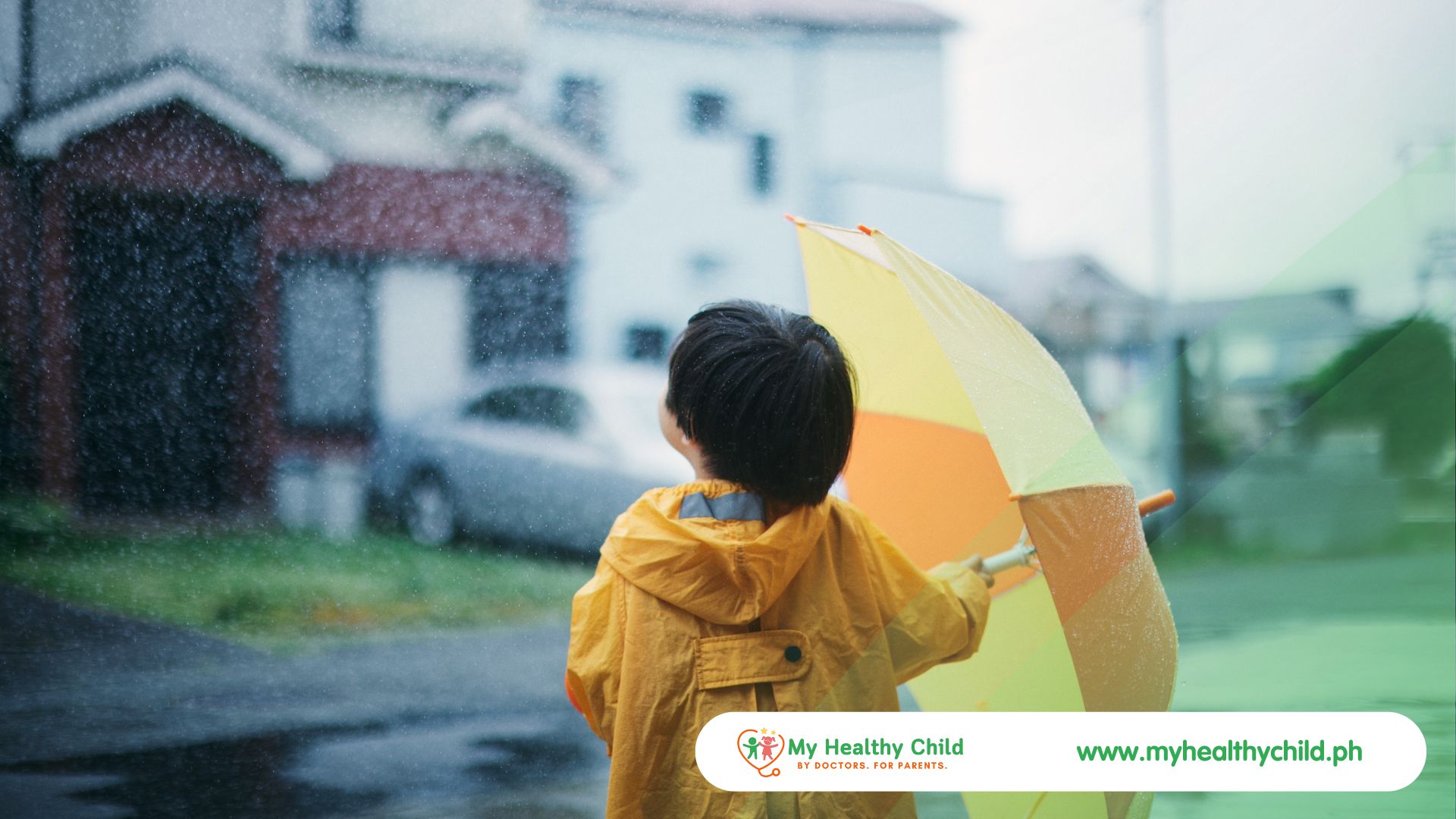
When the skies open up and the rainy season arrives, many parents worry about coughs, colds, and flu. But there’s another silent threat that becomes more common—leptospirosis. This bacterial infection is often misunderstood and can pose serious risks to children, especially infants and toddlers.
So, what is leptospirosis, really? How can it impact children during critical growth stages, like the infancy stage or around the 3 month developmental milestone? This guide breaks it down in clear, parent-friendly terms—because protection starts with understanding.
What is Leptospirosis?
Leptospirosis is a bacterial infection caused by Leptospira—a type of bacteria found in water or soil contaminated by animal urine, especially from rats. During the rainy season, when floods are common and sanitation is often compromised, this infection can spread quickly.
Children are especially vulnerable because they may come into contact with contaminated puddles or floodwater while playing or walking through affected areas.
Symptoms can range from mild to severe and may include:
- High fever
- Muscle aches
- Vomiting or diarrhea
- Skin rashes
- Red eyes
- Jaundice (yellowing of the skin)
Left untreated, leptospirosis can affect major organs like the liver and kidneys—and in rare cases, become life-threatening.
Why Children Are at Higher Risk
Young children have developing immune systems and less awareness of danger. This makes them more susceptible to infections from contaminated water and unsanitary environments. Even crawling babies or toddlers can be exposed inside the home if floodwaters carry in bacteria.
Infants, particularly during their infancy stage, are at greater risk not only because of their size and immune immaturity but also because even minor infections can disrupt sleep, feeding, and 3 month developmental milestones.
Understanding what leptospirosis is isn’t just about knowing the disease—it’s about knowing how it behaves and where it hides, especially during the vulnerable rainy season.
Leptospirosis vs. Other Kinds of Virus (Child’s Health)
Many viral infections—such as hand, foot, and mouth disease, dengue, or respiratory viruses—present with fever, rashes, and general fatigue. However, leptospirosis is a bacterial infection, not a viral one.
That said, its symptoms can mimic other kinds of virus (child’s health), especially in children. This makes diagnosis difficult without blood tests or further evaluation.
Key signs that point more strongly to leptospirosis than a viral infection include:
- History of contact with floodwater or soil
- Sudden high fever with muscle pain
- Yellowing of the skin or eyes
- Swelling of legs or face
Parents should consult a pediatrician immediately if these symptoms occur, especially after known exposure to floodwater.
How Leptospirosis Affects Infant Development
For infants, even short-term illness can interrupt critical development periods. A baby going through the 3 month developmental milestone should begin to:
- Smile and engage socially
- Lift their head during tummy time
- Follow objects with their eyes
- Begin cooing or babbling
If a baby becomes ill during this phase, they may temporarily regress or delay hitting these milestones. Illness can also reduce appetite, disrupt sleep, and lead to dehydration—all of which impact developmental momentum.
Supporting immunity during the infancy stage is crucial. Parents should prioritize clean environments, safe water, and avoiding potential exposure to flood-prone areas.
Prevention: How to Protect Children from Leptospirosis
Preventing leptospirosis begins with awareness and practical steps—especially during the rainy season when risks are high.
Prevention tips for parents:
- Keep children out of floodwater. Even a few minutes of exposure can be enough.
- Disinfect floors if floodwater enters your home. Use a bleach solution or antimicrobial cleaner.
- Wash hands and feet thoroughly after outdoor play.
- Keep rodents away by storing food properly and maintaining clean surroundings.
- Wear protective boots or slippers during cleanup or if walking through flood-prone areas.
- Breastfeed infants exclusively for at least the first 6 months to boost natural immunity.
For children living in high-risk areas, preventive antibiotics may be prescribed after confirmed exposure—always under the supervision of a doctor.
When to See a Doctor
If you suspect your child may have been exposed to contaminated water, especially if they develop fever, rashes, or signs of fatigue, consult a pediatrician immediately.
Testing may involve blood or urine tests, and treatment often includes antibiotics such as doxycycline or penicillin. Early treatment reduces the risk of complications and ensures a faster recovery.
Let’s Stay Safe—Rain or Shine
What is leptospirosis to a child? It’s an invisible risk they don’t see coming. But to a parent, it should be a reminder that environmental safety is just as important as nutrition and routine care—especially during months when illnesses rise.
A Parent’s Rainy Season Readiness Checklist
To wrap things up, here’s a quick checklist to protect your child this rainy season:
✅ Understand what is leptospirosis and its warning signs
✅ Avoid exposure to floodwater or damp soil
✅ Maintain clean indoor spaces
✅ Monitor your baby’s development (especially during 3 month developmental milestone and infancy stage)
✅ Prioritize clean water and proper hygiene
✅ Act early if symptoms appear
Preparedness saves lives—and helps keep your child’s growth on track, no matter the season.
Disclaimer:
The information in this article is intended for educational purposes only and does not substitute professional medical advice, diagnosis, or treatment. Always consult your physician, pediatrician, or qualified healthcare provider with any questions you may have regarding a medical condition or health objectives.