
What If My Child Doesn’t Like Going to School?
Understand what’s behind school refusal—and how to guide your child back with confidence and care
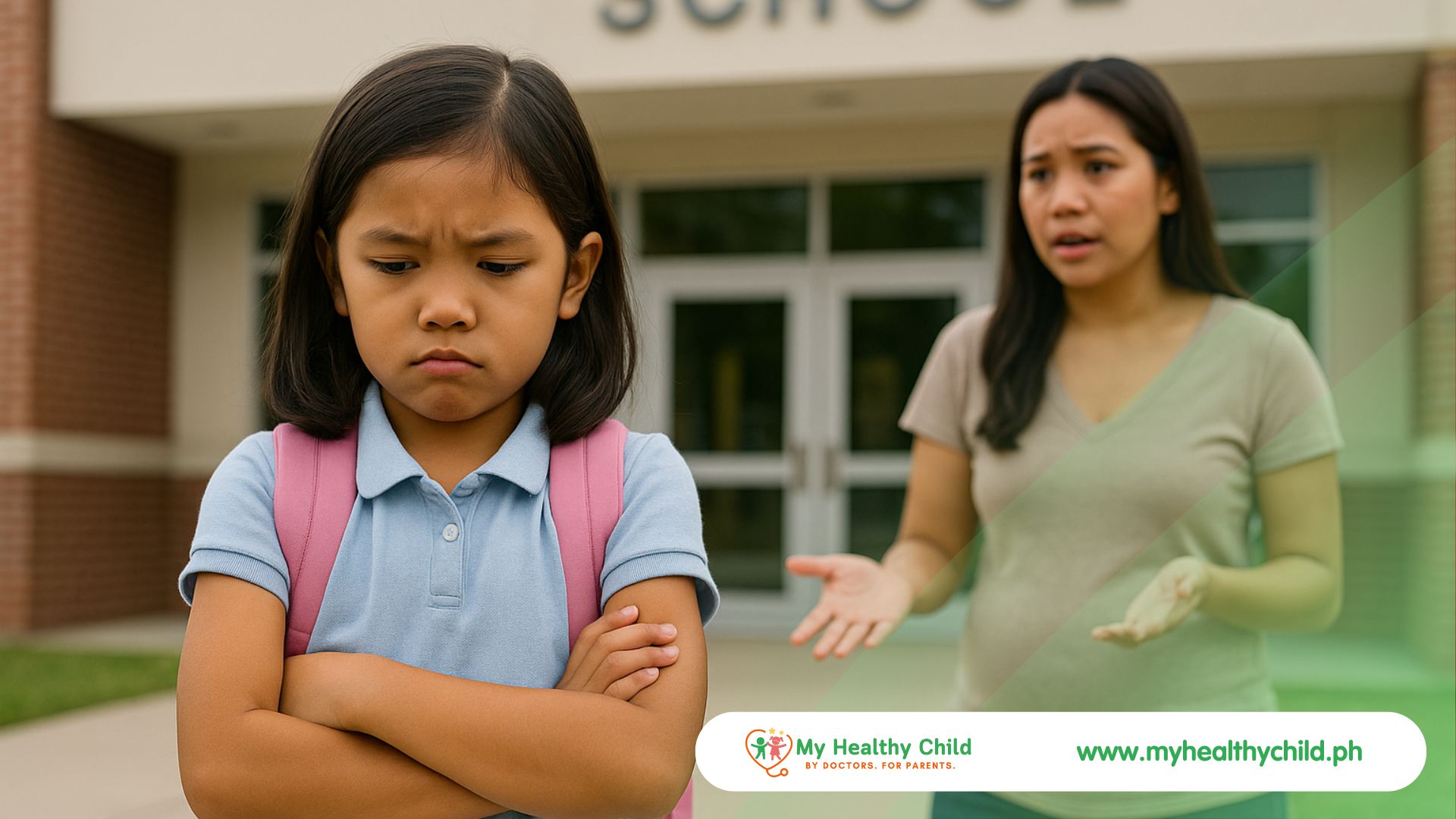
The school bell rings, but your child clings to you at the door.
They cry, complain of stomachaches, or insist they’re “too tired” to go. Some mornings feel like emotional warfare.
“Is this just a phase?”
“Am I doing something wrong?”
“Should I push—or pull back?”
Let’s be clear: It’s not about laziness or defiance.
When a child resists going to school, it’s usually a signal—not a rebellion.
Here’s how to decode what’s going on and help your child rebuild trust in themselves, in school, and in you.
What Is School Refusal?
School refusal (sometimes called school avoidance) is when a child:
- Regularly resists going to school
- Has frequent complaints or anxiety about attending
- Misses class time due to emotional or physical symptoms
This isn’t about occasional grumbles. It’s a pattern—and often rooted in deeper stress.
What Might Be Causing It?
Emotional Triggers:
- Separation anxiety (especially in younger kids)
- Social fears (feeling left out, bullied, or embarrassed)
- Perfectionism or test anxiety
- Fear of failure or judgment
- Sensory overload (bright lights, noise, crowds)
Academic Stress:
- Difficulty keeping up
- Undiagnosed learning differences
- Overwhelming homework or pressure to perform
Family Dynamics:
- Recent move, divorce, illness, or new sibling
- Parental stress or mental health changes
- A desire to stay close to home due to worry
Remember: Your child isn’t avoiding school just to be difficult. They’re avoiding what makes them feel unsafe, overwhelmed, or unheard.
Signs to Watch For
- Physical complaints before school (headaches, stomachaches)
- Emotional meltdowns in the morning
- Repeated late arrivals or absences
- Drop in grades or participation
- Expressing fear, sadness, or frustration about school
What You Can Say (Instead of “You have to go!”)
Try:
“I can see school feels really hard right now. Let’s figure it out together.”
“Is something happening at school that’s making you feel upset?”
“You’re not in trouble. I just want to help.”
The goal isn’t just attendance—it’s understanding and emotional safety.
Steps to Support Your Child Through School Refusal
1. Validate the feelings, not the escape
Avoid dismissing the problem (“You’re fine!”). Acknowledge the emotion—then support their return.
“It’s okay to feel nervous. But we’ll face it together.”
2. Explore the root cause
Ask open-ended questions:
- “When do you start feeling upset?”
- “Is it harder in the classroom, or during lunch?”
- “Is there something—or someone—bothering you?”
Journal with them if words are hard. Ask teachers for insight, too.
3. Create a return-to-school plan
- Start with partial days if needed
- Use a visual schedule
- Offer transition support (e.g., trusted teacher greets them)
- Build in small “wins” (e.g., bring a comfort object, choose lunch)
4. Maintain morning structure and confidence Stay calm. Stay consistent. Avoid over-accommodating the refusal. Children take emotional cues from you.
When you say:
“You’ve got this, and I’m here for you,” they start to believe it too.
5. Connect with school staff
Ask teachers, guidance counselors, or the school nurse for:
- Emotional check-ins
- Peer buddy systems
- Classroom accommodations
- Positive reinforcement for attendance
It takes a team—not just a parent.
6. Praise progress, not perfection
Celebrate any step forward:
- Getting dressed
- Riding in the car
- Entering the school
Say:
“I saw how brave you were today. That’s amazing.”
When to Get Professional Help
Consider counseling or a child psychologist if:
- The refusal persists over weeks
- Physical symptoms have no medical explanation
- There’s underlying trauma, depression, or anxiety
- You feel stuck or overwhelmed as a parent
Therapy can offer a safe space for your child—and coaching for you.
In Summary:
When your child resists school, they’re not being bad.
They’re being vulnerable—and asking for help in the only way they know how. With steady love, clear routines, and gentle curiosity, you can help your child:
- Understand and name their feelings
- Rebuild emotional safety
- And return to school with more resilience and trust
Keep growing with MyHealthyChild—your partner in parenting through the messy, meaningful moments.
Note:
This article was medically reviewed and written in collaboration with doctors and medical professionals committed to providing pediatric health education.
References:
https://childmind.org/article/when-kids-refuse-to-go-to-school/?

Disclaimer:
The information in this article is intended for educational purposes only and does not substitute professional medical advice, diagnosis, or treatment. Always consult your physician, pediatrician, or qualified healthcare provider with any questions you may have regarding a medical condition or health objectives.