
The Secret Inside Your Child’s Tummy: How Gut Health Shapes the Brain and Immunity

Every mom dreams of raising a child who is matalino, malusog, at masigla. That’s why we invest in good schools, nutritious meals, vitamins, and constant care. But did you know that one of the biggest factors that shape your child’s brain power and immunity is something we often overlook—the gut?
Yes, your child’s tummy is more than just a place for food. It’s a “second brain” that affects memory, learning, behavior, and even protection against sickness. And the key to a healthy gut? Making sure it has enough prebiotics and probiotics.
Why Moms Should Care About Gut Health
The gut is home to trillions of bacteria—some good, some harmful. When the “good” bacteria thrive, they keep the gut balanced, which leads to better digestion and a stronger body. But more importantly for moms, science shows that the gut communicates directly with the brain. This “gut-brain connection” influences how children think, feel, and learn.
- Sharper Brain & Learning Skills – Good gut bacteria help produce nutrients and compounds that support memory, focus, and behavior.
- Stronger Immunity – About 70% of the immune system lives in the gut. A healthy microbiome makes children less prone to coughs, colds, and infections.
- All-Around Wellness – Better digestion, fewer tummy aches, healthier skin, and reduced allergy risk all start in the gut.
When the gut is healthy, your child isn’t just protected from illness—they are also better prepared to shine in school, play with confidence, and grow into their full potential.
What Are Prebiotics and Probiotics?
- Probiotics are the friendly bacteria that live in your child’s gut. They’re like little helpers that keep harmful bacteria in check.
- Prebiotics are the “food” that these good bacteria eat, found in fiber-rich fruits and vegetables. Without prebiotics, probiotics cannot grow strong.
Together, they form the foundation of gut health. Think of probiotics as the seeds, and prebiotics as the water and sunlight that help them grow.
Foods That Naturally Support Gut Health
You don’t need expensive meals—many of these are already in your kitchen:
- Probiotic-rich foods: yogurt, kefir, certain cheeses, miso, kimchi
- Prebiotic-rich foods: bananas, sweet potatoes (camote), onions, garlic, oats
A banana at breakfast or a serving of yogurt for merienda can already help nourish your child’s gut.
What About Supplements?
Sometimes, real food may not always be enough—especially for picky eaters or kids with sensitive tummies. In these cases, supplements containing prebiotics and probiotics can also support gut health. Many are now available in the Philippines, often containing well-studied strains like Bifidobacteria or Lactobacillus.
But every child is different. What works for one may not be the best for another. That’s why it’s always best to consult your pediatrician before giving any supplement, so you know which type, strain, or dose is most suitable for your child.
For Moms Who Dream Big for Their Children
Imagine this: your child goes to school full of energy, listens well in class, remembers their lessons, and has fewer sick days. That’s what a healthy gut can do.
As moms, we naturally worry about coughs, colds, or allergies—but deep down, what we want most is for our children to reach their full potential: to be bright, confident, and capable learners. Supporting their gut health with prebiotics and probiotics—whether through food or doctor-recommended supplements—is one of the simplest yet most powerful ways to help make that dream a reality.
Remember, Mom:
A strong mind and a strong body both begin in the gut. By nourishing it with prebiotic and probiotic foods—and considering supplements when guided by your doctor—you’re not just filling your child’s tummy, you’re fueling their future.
Because when the tummy is healthy, the brain shines and the body stands strong.
Mom’s Quick Guide: Prebiotics & Probiotics for Kids
Why it matters
- Healthy gut = sharper brain, better memory & learning
- Stronger immunity = fewer sick days
- Better digestion, skin, lungs, and lower allergy risk
What Are They?
- Probiotics = good bacteria that protect the gut
- Prebiotics = food for good bacteria
Everyday Sources
- Probiotics: yogurt, kefir, some cheeses, miso, kimchi
- Prebiotics: bananas, sweet potatoes (camote), onions, garlic, oats
Supplements
- Available in the Philippines with well-studied strains (e.g., Bifidobacteria, Lactobacillus)
- Can help picky eaters or kids with sensitive tummies
- Best to consult your pediatrician before giving supplements, to know which type and dose is right for your child
Remember, Mom: Whether from food or supplements, nourishing the gut means supporting your child’s brain, immunity, and future.
Disclaimer:
The information in this article is intended for educational purposes only and does not substitute professional medical advice, diagnosis, or treatment. Always consult your physician, pediatrician, or qualified healthcare provider with any questions you may have regarding a medical condition or health objectives.
Gut Health Check — Quick Self-Assessment
Answer these short questions to get a quick sense of your child’s gut health. Not a diagnosis — consult a doctor for concerns.
Parent Quick Guide
- Offer fiber-rich fruits, vegetables, and whole grains
- Keep regular sleep and mealtime routines
- Encourage daily movement or play
- Limit sugary and highly processed foods
When to seek care
- Severe, worsening, or night-waking pain
- Unexplained weight loss, vomiting, or blood in stool
- After antibiotics, ask about microbiome recovery strategies
Probiotics
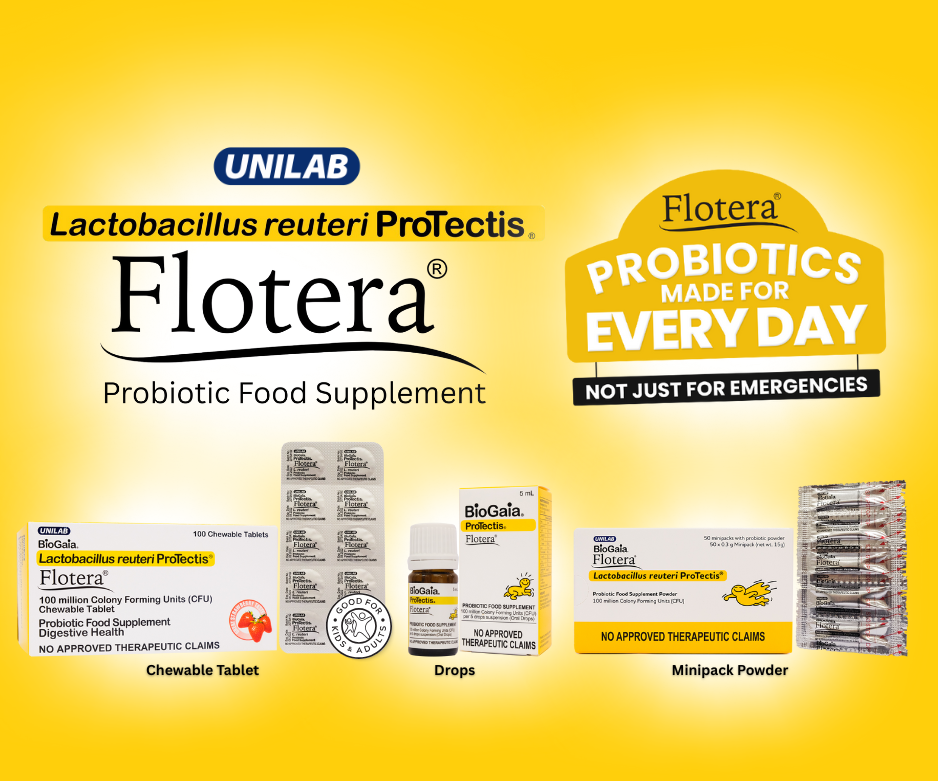
Some probiotic strains such as Lactobacillus reuteri are well studied in children and infants for supporting gut comfort. Families may discuss options with their healthcare professional to see if they are appropriate.
Disclaimer: This tool provides general information only and does not replace medical advice.
Powered by Flotera Probiotic Food Supplement