
The Infancy Stage: Why Early Development Shapes the Future

The first year of life is far more than just feeding, crying, and sleeping. The infancy stage—typically defined as birth to 12 months—is a critical foundation that shapes nearly every aspect of a child’s development. From physical movement to emotional regulation and future learning capacity, what happens in these early months ripples throughout childhood and adolescence.
In this article, we explore why the infancy stage is so important and how it connects to later milestones such as the 3 month developmental milestone, 6-8 years physical development, middle school age behaviors, and even the reasons for depression in youth. Understanding this connection helps parents provide the right support from day one.
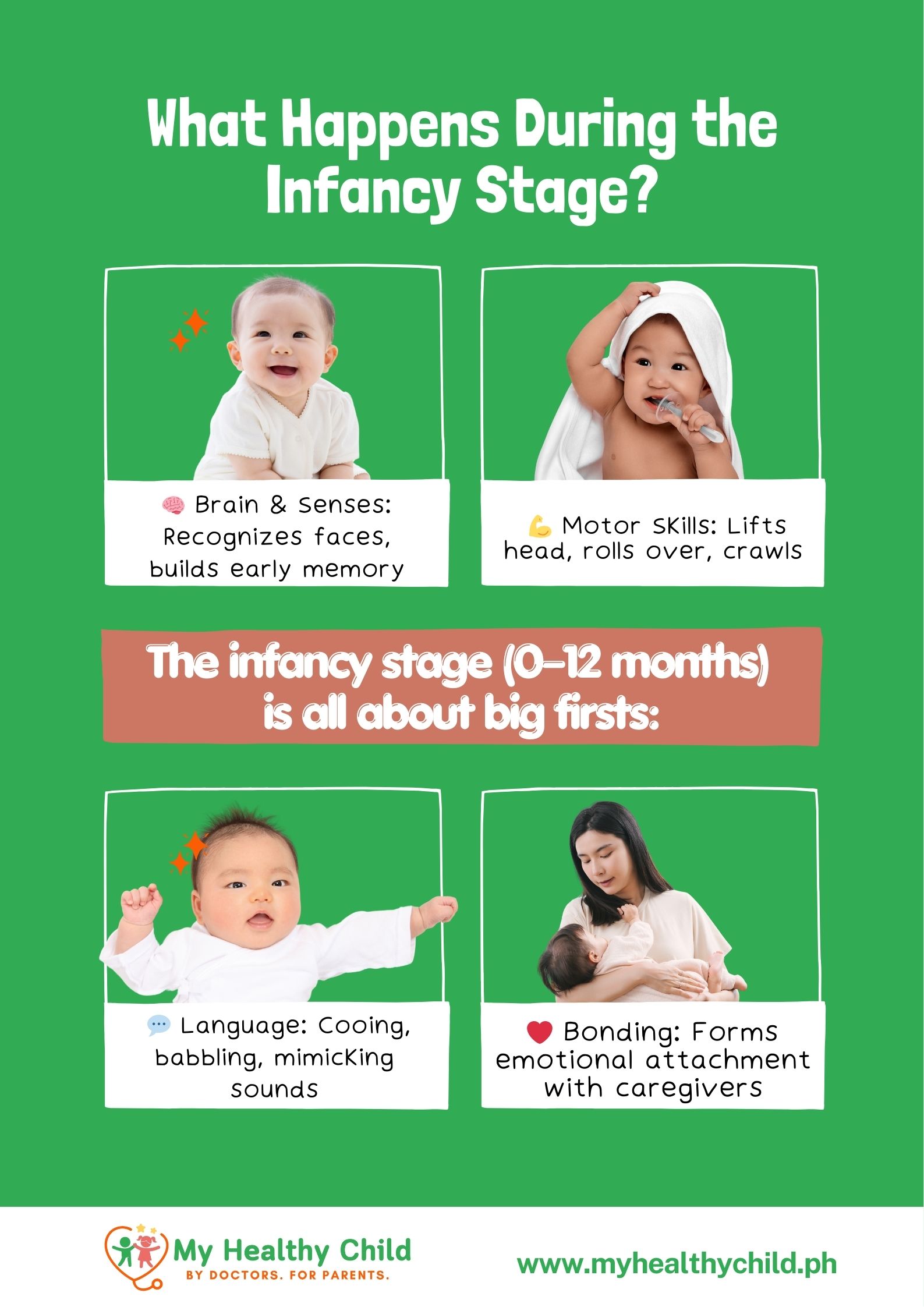
What Happens During the Infancy Stage?
The infancy stage is a time of rapid growth across multiple developmental areas:
- Motor skills: Babies begin to lift their heads, roll over, sit, and eventually crawl.
- Cognitive development: They start to recognize faces, respond to voices, and build early memory.
- Emotional bonding: Attachment with caregivers is established through touch, eye contact, and responsiveness.
- Language awareness: Babies begin to coo, babble, and mimic sounds as a precursor to speech.
While every baby develops at their own pace, delays or lack of stimulation during this phase may impact later development. That’s why early milestones—such as the 3 month developmental milestone—deserve close attention.
3 Month Developmental Milestone: A Key Infancy Checkpoint
By three months old, infants are expected to show growing strength and curiosity. The 3 month developmental milestone includes:
- Smiling in response to interaction
- Following objects with their eyes
- Beginning to lift their head during tummy time
- Reacting to familiar voices and sounds
These abilities may seem small, but they reflect essential brain development and social awareness. If these signs are absent or delayed, it may indicate an early developmental concern that could affect later physical and emotional progress.
Because the infancy stage influences emotional resilience and sensory processing, missed early cues can sometimes contribute to behavioral challenges in later childhood stages, including at the middle school age.
Infancy and Physical Growth: The Foundation for Ages 6–8
Strong muscles and coordination built in infancy lay the groundwork for 6-8 years of physical development. For example:
- Tummy time helps strengthen core and neck muscles.
- Early crawling leads to better body coordination and bilateral brain activity.
- Grasping objects builds fine motor control needed for writing, drawing, and sports later on.
Children who receive regular movement opportunities in their first year are more likely to perform well in physical activities during the 6-8 years physical development phase. In contrast, babies who are often sedentary, over-restrained in car seats or walkers, or have limited supervised play may face delays in strength, balance, and endurance.
Infancy and Emotional Regulation: A Clue to Future Mental Health
What’s the link between infancy and the reasons for depression in youth?
It starts with attachment. Babies who experience consistent, loving responses to their needs develop a secure attachment style. This builds emotional resilience, stress regulation, and trust. On the other hand, inconsistent care or emotional neglect during the infancy stage may interfere with brain pathways responsible for emotional control.
These early deficits can reappear later as:
- Difficulty managing emotions in social situations
- Withdrawal during middle school age
- Heightened vulnerability to teen depression
Though depression in children is multi-factorial, disruptions in early bonding, stimulation, and physical comfort are among the reasons for depression in youth that researchers continue to investigate.
Middle School Age and the Echo of Infancy
At middle school age, children are expected to handle complex emotions, social pressures, and increased academic responsibility. However, the groundwork for these abilities begins during the infancy stage:
- Securely attached infants often become confident pre-teens.
- Early language development supports strong communication later.
- Healthy stress responses from infancy help middle schoolers manage anxiety.
Behavioral and emotional challenges that emerge in this phase—such as school avoidance, poor impulse control, or mood swings—may trace their roots back to missed milestones or traumatic experiences in early life.
How Parents Can Support Healthy Infancy Development
No parent is perfect, but providing a nurturing and stimulating environment during the infancy stage creates a ripple effect of benefits. Here are some key ways to support your baby:
- Responsive caregiving: Answer cries promptly and with affection.
- Sensory stimulation: Offer age-appropriate toys, gentle sounds, and textures.
- Movement opportunities: Prioritize floor time over restrictive devices.
- Language exposure: Speak, sing, and read to your baby daily.
- Health monitoring: Track growth, feeding, and developmental milestones like the 3 month developmental milestone.
Proactive support in infancy helps ensure your child transitions smoothly into more advanced stages like 6-8 years physical development and middle school age milestones with confidence and strength.
Red Flags That May Indicate Early Concerns
It’s helpful to know what warning signs could require professional evaluation. Contact your pediatrician if your baby:
- Isn’t smiling or showing interest in interaction by 3 months
- Has trouble holding their head up by 4 months
- Doesn’t respond to sounds or make eye contact
- Shows persistent irritability or lack of interest in play
- Is not meeting key milestones during the infancy stage
Early intervention is one of the best ways to reduce the risk of developmental delay and future emotional struggles.
From Tiny Steps to Lifelong Strength: A Reflection for Parents
The infancy stage isn’t just about bottles and naps—it’s the first chapter of who your child will become. The strength of their movements at 6 8 years, the clarity of their voice at middle school age, and even their ability to navigate sadness or pressure can all be influenced by how they were supported in their earliest days.
So take your time, tune in, and be present. Every smile, cuddle, and conversation shapes the journey ahead.
With MyHealthyChild, you’re never alone in this journey. We grow with you—from first giggles to full-grown confidence.
Disclaimer:
The information in this article is intended for educational purposes only and does not substitute professional medical advice, diagnosis, or treatment. Always consult your physician, pediatrician, or qualified healthcare provider with any questions you may have regarding a medical condition or health objectives.