
Physical Development in Children Aged 6–8: Milestones and Movement
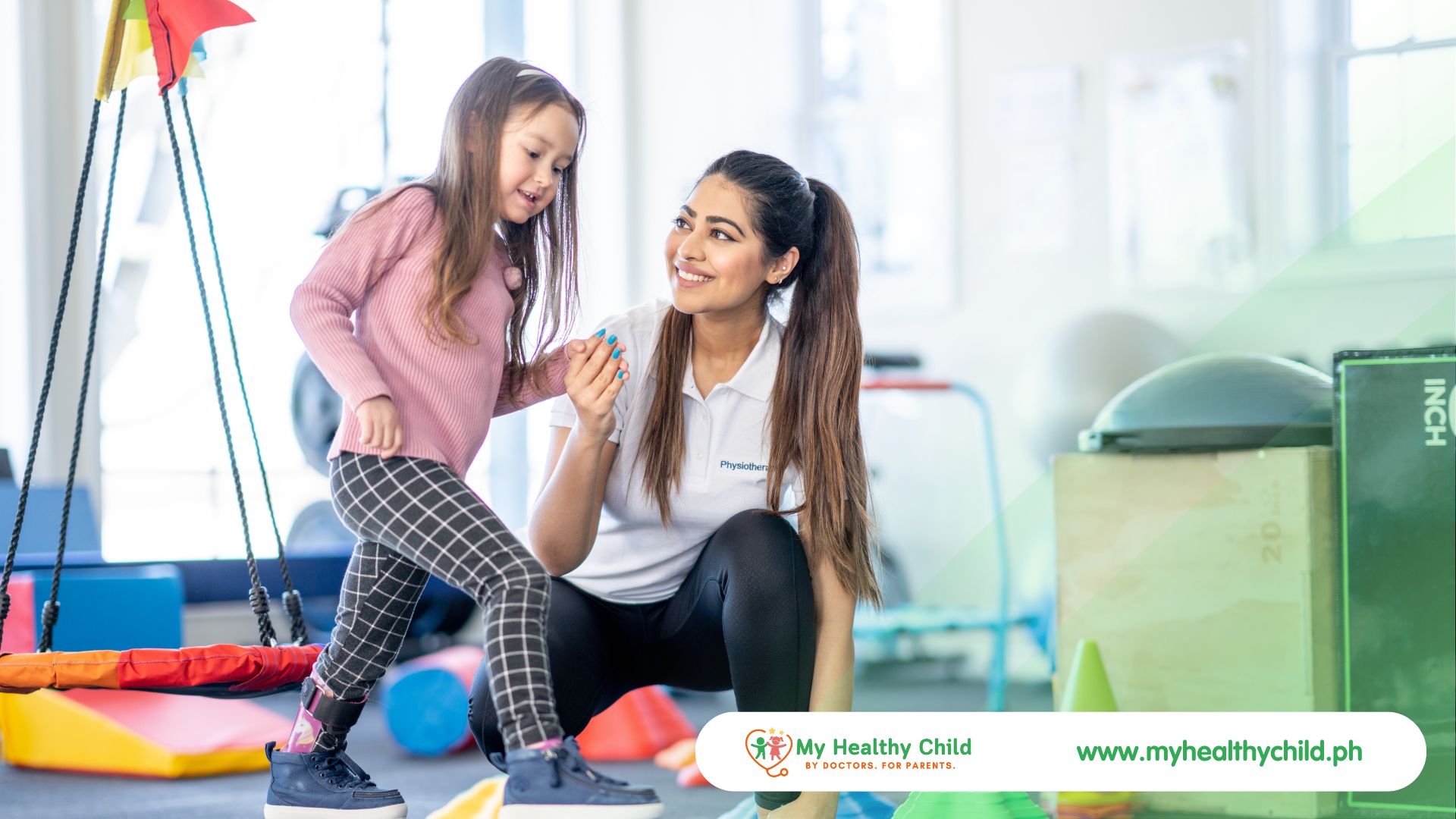
The 6–8 years physical development stage is a dynamic period full of exciting changes. At this age, children are growing more confident in their physical skills and beginning to express themselves through movement, sports, and structured activities. But just like every stage of development—from the infancy stage to late childhood (6–12 years)—each child grows at their own pace.
Understanding what’s typical, what to watch for, and how to support your child during this phase will help you raise a healthy, active, and well-coordinated little human.
From the Cradle to the Classroom: How Earlier Stages Affect Growth
Development doesn’t begin at age 6—it’s the result of building blocks laid down long before. The infancy stage is where gross and fine motor skills first take shape. A baby who reached the 3 month developmental milestone of holding their head up and tracking movement is already preparing for future physical coordination.
By ages 6 to 8, those early skills evolve into running, hopping, catching, and even learning how to ride a bike or swim. It’s not just about body strength—it’s about control, balance, and confidence in movement.
Physical Milestones at 6–8 Years Old
To help parents visualize what’s typical, here’s a simple chart of common 6–8 years physical development milestones:
Age | Gross Motor Skills | Fine Motor Skills |
6 years | Can run, jump, skip with good coordination | Cuts shapes with scissors, writes neatly |
7 years | Balances on one foot, rides a bicycle | Ties shoelaces, draws complex shapes |
8 years | Begins mastering sports-like movement | Uses tools with skill, builds with LEGO sets |
Note: These are general trends. It’s okay if your child develops faster or slower in some areas.
Comparing 6–8 Years with Late Childhood (6–12 Years)
The 6–8 years physical development stage is the early half of late childhood (6–12 years)—a time where bodies grow taller, muscles strengthen, and energy levels soar. Kids in this range:
- Gain better hand-eye coordination
- Improve balance and posture
- Build core and limb strength
- Move more purposefully and fluidly
In the later years (ages 9–12), children often begin to specialize in certain activities like gymnastics, soccer, or dance. But 6 to 8 is a prime time for exploration, trial, and playful learning.

Activities That Support Physical Development
Physical growth needs to be supported by daily movement. Here are some exercise for kids ideas that fit the 6–8 years physical development stage:
Gross Motor Play
- Obstacle courses: Combine crawling, jumping, and balancing for full-body coordination.
- Bike riding: Enhances balance and leg strength.
- Team games: Sports like tag, soccer, or relay races help build endurance and agility.
Fine Motor Fun
- Crafts and origami: Improves finger control and creativity.
- Building blocks or LEGO: Enhances spatial awareness and grip strength.
- Cooking simple meals: Teaches sequencing, tool use, and hand strength.
Encourage at least 1 hour of moderate to vigorous physical activity daily.
Recognizing Delays and Knowing When to Act
It’s important to know when something might be outside the typical 6–8 years physical development range. Some signs to watch for:
- Difficulty running, jumping, or using stairs
- Trouble holding a pencil or using scissors
- Awkward movements or poor balance
- Fatigue or resistance to physical activity
In many cases, additional practice and encouragement are enough. But if delays persist or seem concerning, consult your pediatrician. An occupational or physical therapist may be helpful for developmental assessment and support.
The Mental Link: Physical Activity and Emotional Growth
Movement isn’t just about muscles—it’s deeply tied to mental and emotional health. Studies show that regular exercise for kids can reduce stress, improve sleep, and boost mood. As they progress through late childhood (6–12 years) and face adolescence problems, physical activity becomes a powerful way to process emotions and release energy.
In fact, many reasons for depression in youth include lack of social connection, low self-esteem, and inactivity. Encouraging physical activity helps address all three, giving your child the tools to feel strong in body and mind.
Why Every Step Counts
The beauty of the 6–8 years physical development stage is that growth can be seen daily—in the way your child skips down the hallway, climbs up the jungle gym, or proudly cuts their own sandwich. Every little movement builds the foundation for sports, confidence, and lifelong health.
Try This: A Movement Adventure Week
To make things exciting and build healthy habits, try a themed activity week at home:
- Monday: Family dance-off
- Tuesday: Nature walk and scavenger hunt
- Wednesday: Kitchen helpers (cutting soft veggies, stirring)
- Thursday: Build a cardboard fort
- Friday: Backyard Olympics
- Saturday: Park playdate
- Sunday: Stretch and yoga session
Let your child pick their favorite and own the schedule—it boosts motivation and pride!
Growth Is a Team Effort
The 6 to 8-year-old stage is more than just measuring height or speed—it’s about celebrating every milestone, cheering every tumble and try, and guiding your child toward a strong, confident future. Growth doesn’t happen in a vacuum—it happens with encouragement, playful movement, and a loving home environment that says, “I believe in you.”
So lace up those sneakers, clear the living room floor, and make space for wiggles, races, and growth—because this stage only happens once, and it’s worth every step.
Disclaimer:
The information in this article is intended for educational purposes only and does not substitute professional medical advice, diagnosis, or treatment. Always consult your physician, pediatrician, or qualified healthcare provider with any questions you may have regarding a medical condition or health objectives.