
Pet Dander and Health: Why Clean Air and Smarter Purifiers Matter for Families

Pets Bring Love—and Allergens
For many families, pets are more than just animals—they’re loyal companions, protectors, and even emotional lifelines for children. But behind every cuddle and wagging tail lurks a hidden challenge: pet dander.
Pet dander consists of tiny flakes of skin, saliva proteins, and microscopic debris that cling to fur, carpets, curtains, and furniture. Unlike dust that settles, dander remains airborne for long periods, making it easy to inhale. Even in the cleanest homes, dander can trigger health issues, especially in children with asthma, allergies, or weakened immune systems.
This article explores the risks of pet dander, the steps parents can take to protect their families, and why investing in tools like a water-based vacuum cleaner or an air purifier can transform indoor air quality into a true ally for health.
The Science Behind Pet Dander
Pet dander contains allergen proteins that can provoke immune system responses. The two most studied allergens are:
- Fel d 1 – produced by cats, found in saliva and skin oils.
- Can f 1 – produced by dogs, present in saliva and dander.
These allergens are extremely lightweight, often measuring less than 5 microns. To put it in perspective, that’s 14 times smaller than the diameter of a human hair. Because of their size, they can penetrate deep into the lungs and linger on surfaces for months—even in homes without pets, if carried in on clothing or furniture.
Health Effects of Pet Dander
1. Allergic Rhinitis
- Sneezing, runny nose, itchy eyes, and congestion are common symptoms.
- Children exposed daily may experience chronic discomfort that disrupts school and sleep.
2. Asthma Exacerbation
- For children with bronchial asthma, pet allergens can inflame airways, triggering wheezing and shortness of breath.
- Studies show that children with asthma are more likely to require emergency care when exposed to persistent dander.
3. Skin Issues
- Dander exposure can aggravate eczema, causing redness, itching, and flare-ups.
- Sensitive skin may also react to dander combined with dust and environmental pollutants.
4. Long-Term Risks
- Early exposure to allergens in the home may increase the likelihood of developing asthma later in life.
- Persistent inflammation can reduce overall lung function.
Children breathe faster than adults, meaning they take in more air—and more allergens—per breath. The EPA estimates that we spend up to 90% of our time indoors, which amplifies exposure risks. Indoors, pet dander mixes with:
- Dust mites that thrive in humid environments.
- Mold spores that grow in bathrooms and kitchens.
- Volatile organic compounds (VOCs) from cleaning agents and paints.
- Viruses and bacteria that circulate in poorly ventilated rooms.
Together, these pollutants create a “toxic cocktail” that can undermine children’s health, sleep quality, and immune resilience.

How Families Can Manage Pet Dander
Step 1: Smarter Cleaning
Traditional vacuum cleaners can blow allergens back into circulation. A water-based vacuum cleaner is more effective: allergens are trapped in water and disposed of, rather than recirculated. For daily cleaning, parents should:
- Vacuum soft furnishings and carpets at least twice weekly.
- Wash curtains and bedding regularly in hot water.
- Use microfiber cloths to capture dust, not just spread it around.
Step 2: Create Pet-Free Zones
Bedrooms, particularly children’s rooms, should be designated allergen-reduced spaces. This gives the lungs a break during nighttime recovery.
Step 3: Improve Ventilation
- Open windows when outdoor air is clean.
- Use exhaust fans in kitchens and bathrooms to reduce indoor humidity.
- Avoid smoking, candles, and incense indoors.
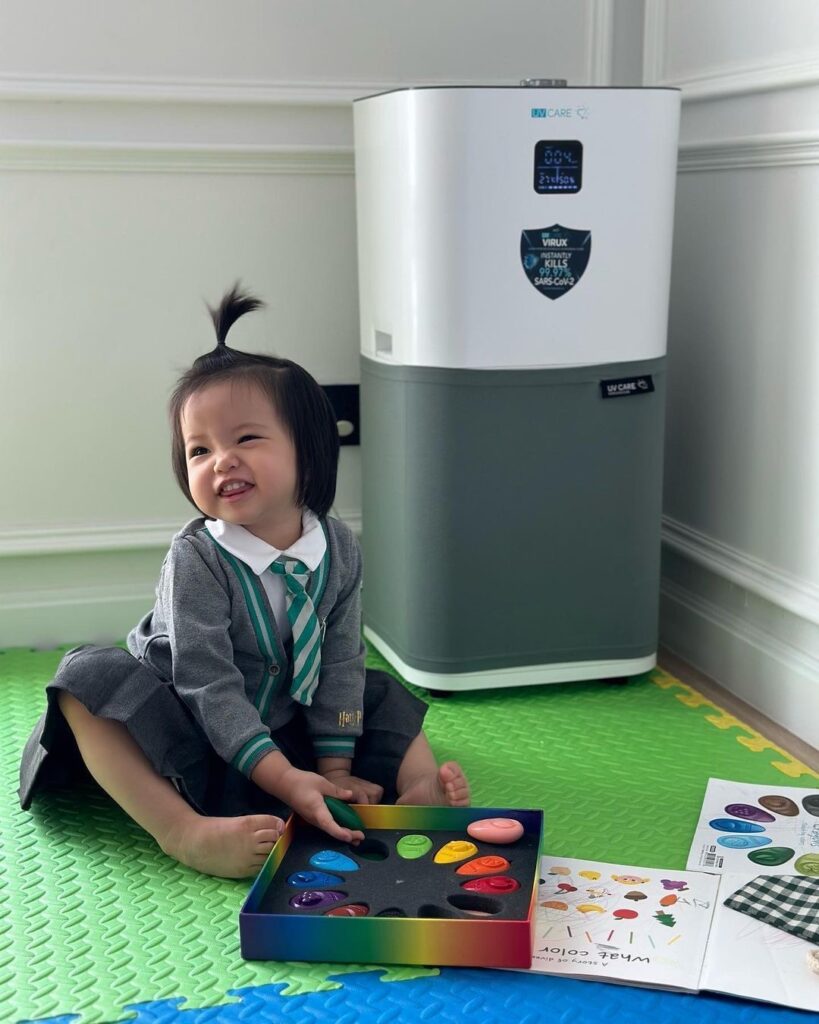
Step 4: Use Air Purifiers Strategically
An air purifier equipped with a medical-grade HEPA filter can capture 99.97% of airborne particles as small as 0.3 microns, including pet dander. Advanced models also include:
- Activated carbon filters for odors and chemical pollutants.
- Ozone-free UVC light to neutralize germs safely.
Step 5: Regular Grooming
- Brush pets outdoors to reduce loose fur and dander indoors.
- Bathe pets with veterinarian-approved shampoos to minimize allergens.
- Keep pet bedding clean and dry to prevent allergen buildup.
Comparing Purification Systems
Feature | Water-Based Vacuum | Air Purifier |
Best For | Surfaces, carpets, dust, fur | Airborne allergens, pollen, pet dander |
Core Mechanism | Traps particles in water | HEPA filter + carbon filter |
Added Technology | Optional fragrance, natural filtering | Recommended UVC (ozone-free) |
Ideal Placement | Living rooms, bedrooms | Bedrooms, common spaces |
Key Benefit | Prevents allergen recirculation | Continuous air cleaning |
Using both provides layered protection: surface cleaning plus airborne filtration.
Lifestyle and Medical Support
Even with careful cleaning, children with allergies or asthma may still experience flare-ups. Parents should work with healthcare providers to explore:
- Medications: antihistamines, inhalers, or nasal sprays.
- Allergen immunotherapy: gradual desensitization for long-term relief.
- Dietary adjustments: omega-3s and antioxidants may help reduce inflammation.
- Support networks: joining parent groups for emotional and practical advice.
Parent FAQ: Pet Dander & Purifiers
Q1: Can air purifiers remove all pet dander?
No. They dramatically reduce airborne particles but cannot replace cleaning and grooming. Air purification and surface cleaning are complementary processes that work synergistically to achieve optimal cleanliness and air quality.
Q2: Are water-based vacuum systems worth it?
Yes. They complement air purifiers by tackling dander and dust on surfaces that often get overlooked.
Q3: Are these safe for infants?
Both water-based purifiers and HEPA-filter UV-C light air purifiers are safe when certified ozone-free. Always confirm safety standards.
Q4: Should I rehome my pet if my child has allergies?
Not always. With proper management—cleaning, purifiers, and medical support—many families keep pets without compromising children’s health.
Why This Matters for Parents
Clean indoor air is as fundamental as clean water or balanced nutrition. For children, especially those prone to asthma or allergies, minimizing exposure to pet dander can mean:
- Fewer sick days
- Improved concentration at school
- Better sleep quality
- Lower risk of chronic respiratory issues
Key Takeaway
Loving pets and protecting children’s health don’t have to be at odds. Families can enjoy the joy of pet companionship while managing health risks with the right strategies.
- A water-based vacuum keeps surfaces and fabrics allergen-free.
- An air purifier ensures children breathe cleaner air every day.
By combining smart cleaning, medical support, and the right tools, families can create homes where pets and kids thrive—together.
Disclaimer:
The information in this article is intended for educational purposes only and does not substitute professional medical advice, diagnosis, or treatment. Always consult your physician, pediatrician, or qualified healthcare provider with any questions you may have regarding a medical condition or health objectives.