
Is My Child’s Cough Still Normal—or a Sign of Something More?
Learn how to tell the difference between a viral cough, allergies, asthma, and when it’s time to see a doctor.
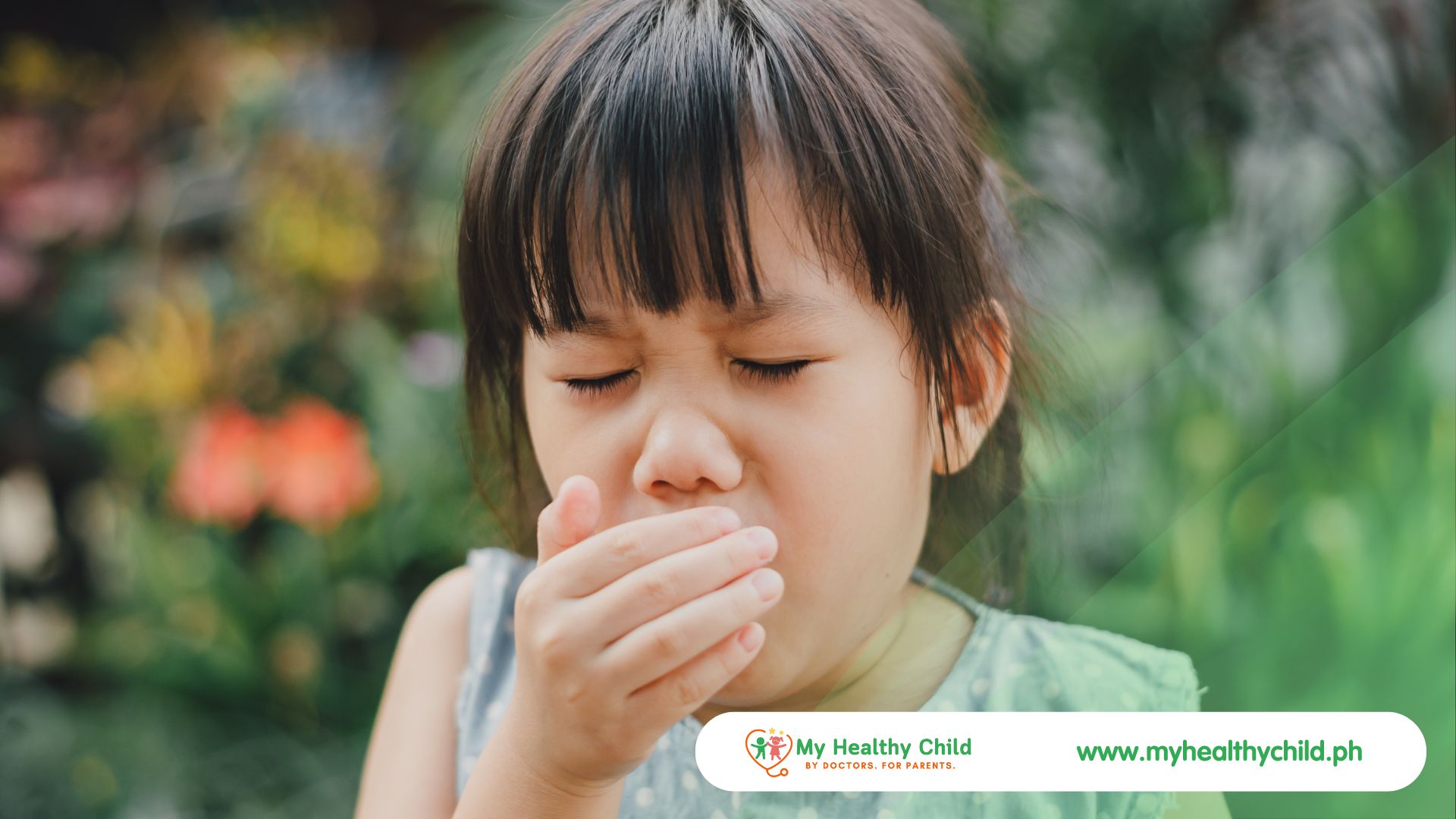
A lingering cough can drive any parent into detective mode. Is it just another cold? Allergies? Could it be asthma? Or something more serious?
Coughing is the body’s natural way of clearing airways. But when it sticks around, worsens, or sounds a little off, it’s natural to worry.
Let’s break down what’s normal, what’s not, and how to help your child breathe easier—without the guesswork.
The Usual Suspect: Viral Coughs
Most childhood coughs are caused by viruses—like the common cold or flu. What it looks like:
- Often starts suddenly
- May come with a runny nose, fever, or sore throat
- Sounds dry at first, then may become loose or phlegmy
- Can last up to 2–3 weeks (yes, even after other symptoms disappear)
What helps: Rest, hydration, honey (for kids over 1), warm fluids, and a humidifier. No need for antibiotics—viruses don’t respond to them.
When to wait it out: If your child is eating, sleeping, and playing well, a lingering viral cough is likely harmless.
Allergies and Postnasal Drip
Does your child always seem to cough more in the morning—or after playing outside? It could be allergies, especially if they also have:
- Itchy eyes
- Sneezing
- A clear, runny nose
- No fever
What’s happening:
Allergens (like dust, pollen, or pet dander) trigger inflammation. Mucus drips down the back of the throat—cue the coughing.
What helps: Antihistamines, air purifiers, regular cleaning, and talking to your pediatrician about allergy testing if symptoms persist.
Asthma: More Than Just a Cough
A chronic cough—especially one that’s dry, frequent at night, or triggered by activity or cold air—could point to asthma.
Red flags for asthma:
- Coughing at night or early morning
- Wheezing or whistling sounds while breathing
- Shortness of breath during play
- Coughing after laughter or exercise
- Family history of asthma or allergies
What helps: Asthma is manageable with inhalers and preventive care. Talk to your doctor about evaluation and a possible asthma action plan.
Bacterial Infections: When It’s More Than a Virus
While most coughs are viral, some can come from bacterial infections like:
- Pneumonia (wet cough, fever, fatigue, fast breathing)
- Sinus infections (especially with face pain, green discharge, and bad breath)
- Whooping cough (pertussis): A distinctive “whoop” sound, uncontrollable fits of coughing, and possible vomiting
These require medical treatment—often antibiotics and close monitoring.
When to Call the Doctor
It’s always better to check in early if something doesn’t feel right. See your pediatrician if:
- The cough lasts longer than 3 weeks
- There’s wheezing, labored breathing, or chest retractions
- Your child is waking frequently from coughing
- They have fever longer than 3 days
- There’s vomiting from coughing
- Coughing disrupts school, sleep, or play
- They’re very tired, pale, or breathing fast even at rest
Trust your gut. If the cough sounds strange, feels intense, or is getting worse—not better— don’t wait it out.
What Not to Do
- Don’t give cough suppressants to children under 6 (they’re not recommended and can be harmful)
- Don’t use leftover antibiotics or meds from a sibling
- Avoid smoking near your child—secondhand smoke can worsen or cause chronic cough
How to Support Recovery
- Keep them hydrated (water, warm soups, diluted juices)
- Use saline drops and nasal suction for younger kids
- Run a cool mist humidifier at night
- Elevate the head of the bed slightly (helps postnasal drip)
- Encourage rest—but allow light activity if they feel up to it
Sometimes, all they need is comfort, fluids, and a few more days.
In Summary: Know the Cough, Know the Cue
Coughing isn’t always cause for panic. But it’s also not something to ignore if it’s changing, worsening, or overstaying its welcome.
Listen to the pattern.
Watch your child’s energy.
Ask questions about how they feel.
And when in doubt? Call the doc. That’s what they’re there for.
Note:
This article was medically reviewed and written in collaboration with doctors and medical professionals committed to providing pediatric health education.
References:

Disclaimer:
The information in this article is intended for educational purposes only and does not substitute professional medical advice, diagnosis, or treatment. Always consult your physician, pediatrician, or qualified healthcare provider with any questions you may have regarding a medical condition or health objectives.