
Is My Child Gaining Too Much Weight?
Understand how pediatricians assess weight, what routines protect long-term health, and how to build positive habits without shame

At a Glance
- Weight gain in toddlers varies, and chubbiness at this age isn’t always a concern
- Pediatricians use growth charts over time—not one-time weight checks—to assess healthy development
- The goal isn’t restriction, but creating a foundation of good habits
If you’ve been wondering “is my toddler overweight?” remember that the goal isn’t restriction, but laying the groundwork for lifelong healthy habits.
How Doctors Assess Healthy Growth
- Growth curves, not appearance: Pediatricians track weight, height, and BMI-for-age over time—not just “looks”
- BMI-for-age (starting at age 2): Body Mass Index is used alongside WHO or CDC growth charts to monitor proportional growth
- Percentile interpretation:
- 5th–84th percentile: Generally considered healthy weight
- 85th–94th percentile: At risk for overweight
- 95th percentile and above: Classified as overweight or obese
- Trends matter more than a single number: A one-time high percentile may be fine if your child is growing steadily and active
- Family history and habits count: Genetics, nutrition, and daily routine are all considered before raising concern
Healthy Routines That Make a Difference
- Structured meals and snacks: Toddlers thrive on consistent timing, balanced plates, and no grazing in between
- Limit sugary drinks: Water and milk should be the main beverages. Avoid fruit juices, even natural ones. The excess sugar when consumed frequently or throughout the day can lead to tooth decay and cavities, weight gain, obesity and potentially contribute to other health problems later in life like type 2 diabetes.
- Encourage movement: At least 3 hours of active play daily is ideal—walking, dancing, outdoor play
- Sleep matters too: Toddlers need 11–14 hours of sleep daily. Poor sleep is linked to excess weight gain
- Screen time caution: Limit to under 1 hour per day of high-quality content. Unchecked screen use often displaces movement and affects sleep
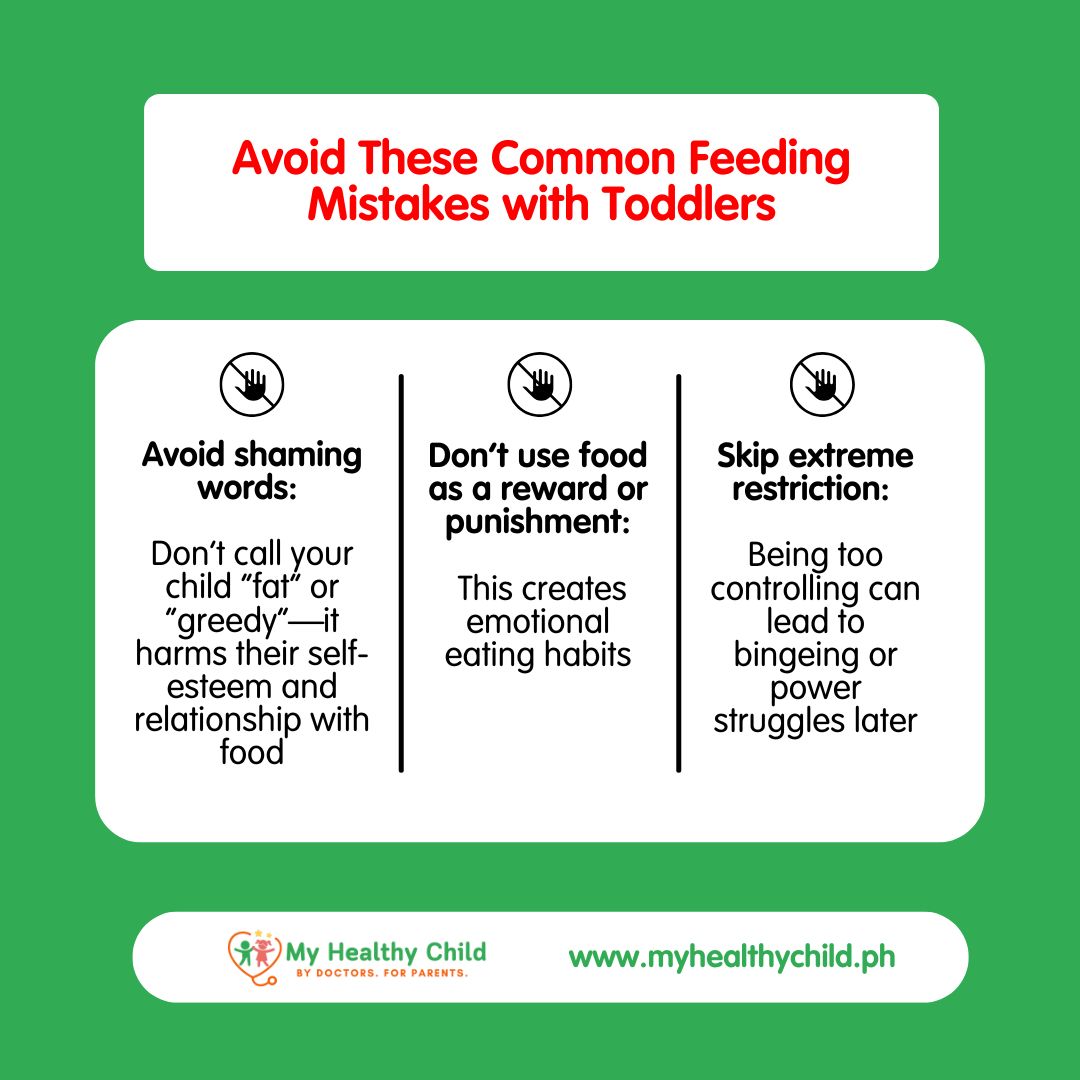
What to Avoid
- Shaming language: Don’t label your child as “fat” or “greedy.” This damages self-esteem and feeding relationships
- Food as a reward or punishment: This creates unhealthy emotional associations with eating
- Severe restriction: Over-controlling food can lead to bingeing or power struggles later
What to Do Next: Guidance for Parents
If you’re asking yourself “is my toddler overweight?” remember that the goal is not quick weight loss, but lifelong healthy habits:
- Focus on health habits, not weight loss. You’re setting routines, not solving a crisis
- Bring growth curve records to checkups so your pediatrician can assess trends
- Ask your doctor for support if weight gain is paired with sleep issues, low activity, or emotional stress.
Note:
This article was medically reviewed and written in collaboration with doctors and medical professionals committed to providing pediatric health education.
References:
Centers for Disease Control and Prevention (CDC) – Early Childhood Development
American Academy of Pediatrics (AAP)
World Health Organization (WHO) – Early Childhood Development

Disclaimer:
The information in this article is intended for educational purposes only and does not substitute professional medical advice, diagnosis, or treatment. Always consult your physician, pediatrician, or qualified healthcare provider with any questions you may have regarding a medical condition or health objectives.