
Is It Time for Deodorant, Acne Care, or a Hygiene Talk?
Helping Your Teen Navigate Puberty Without the Cringe
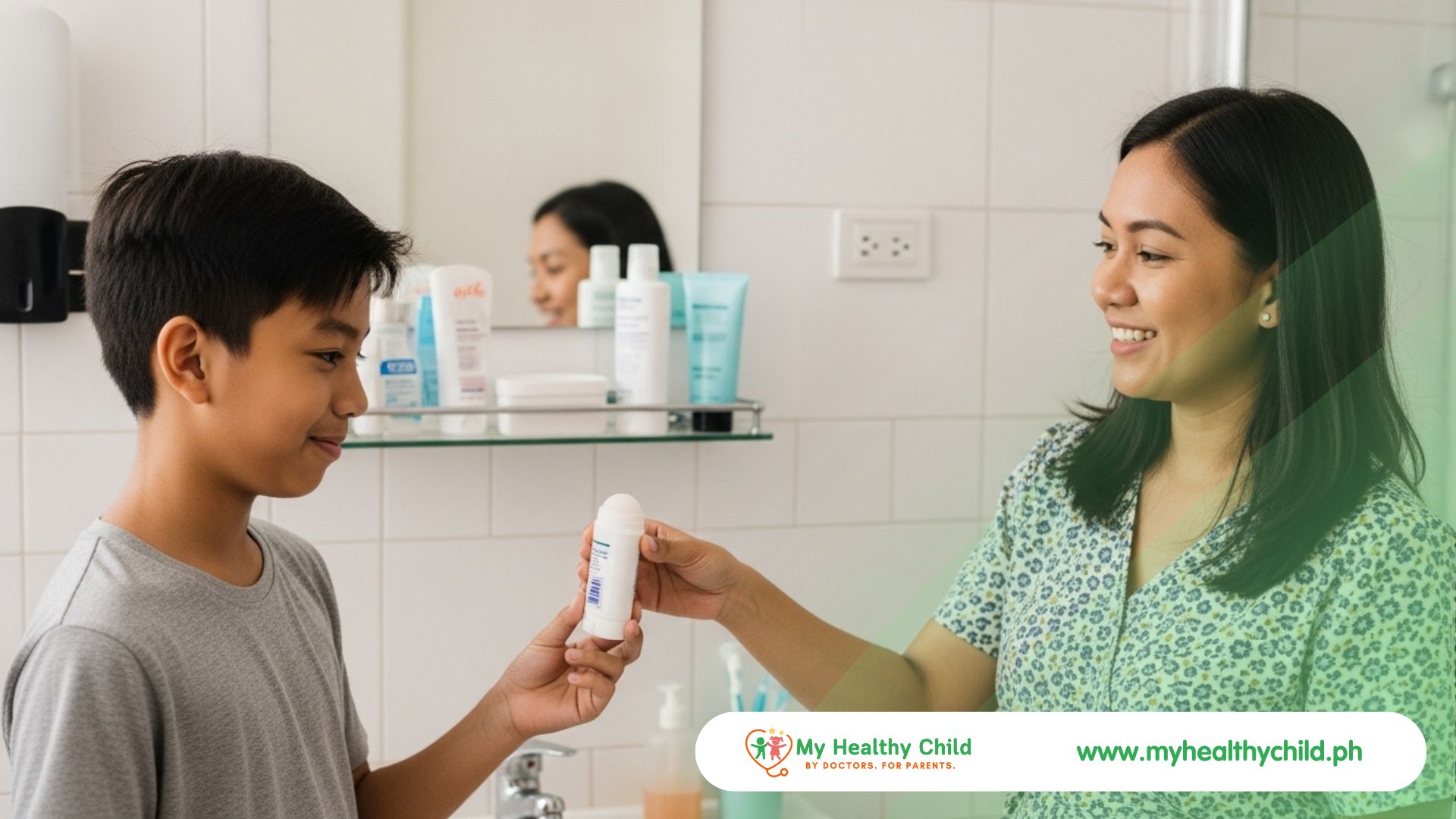
If your once sweet-smelling kid now comes home with a cloud of body odor after school—or you’re noticing breakouts, greasy hair, or a general disinterest in hygiene—it might be time for the talk. Not the birds-and-bees one (although that might be next), but the hygiene talk.
Puberty brings a lot of changes—some physical, some emotional—and all of them require care. But how do you bring it up without making things awkward, judgmental, or embarrassing?
Let’s break it down with empathy, honesty, and a little humor—because your teen deserves to feel confident in their changing body.
Why Hygiene Suddenly Matters More
Puberty flips a switch in the body. Hormones kick into gear and suddenly:
- Sweat glands become more active
- Sebum (skin oil) production increases
- Hair grows in new places
- Skin becomes more prone to breakouts
- Body odor becomes… noticeable
All of these are completely normal, but they do require a new hygiene routine that most preteens aren’t naturally prepared for.
Signs It’s Time for a Hygiene Talk
You don’t need to wait for complaints from teachers or raised eyebrows from relatives. Here are some common clues that your child may need a hygiene upgrade:
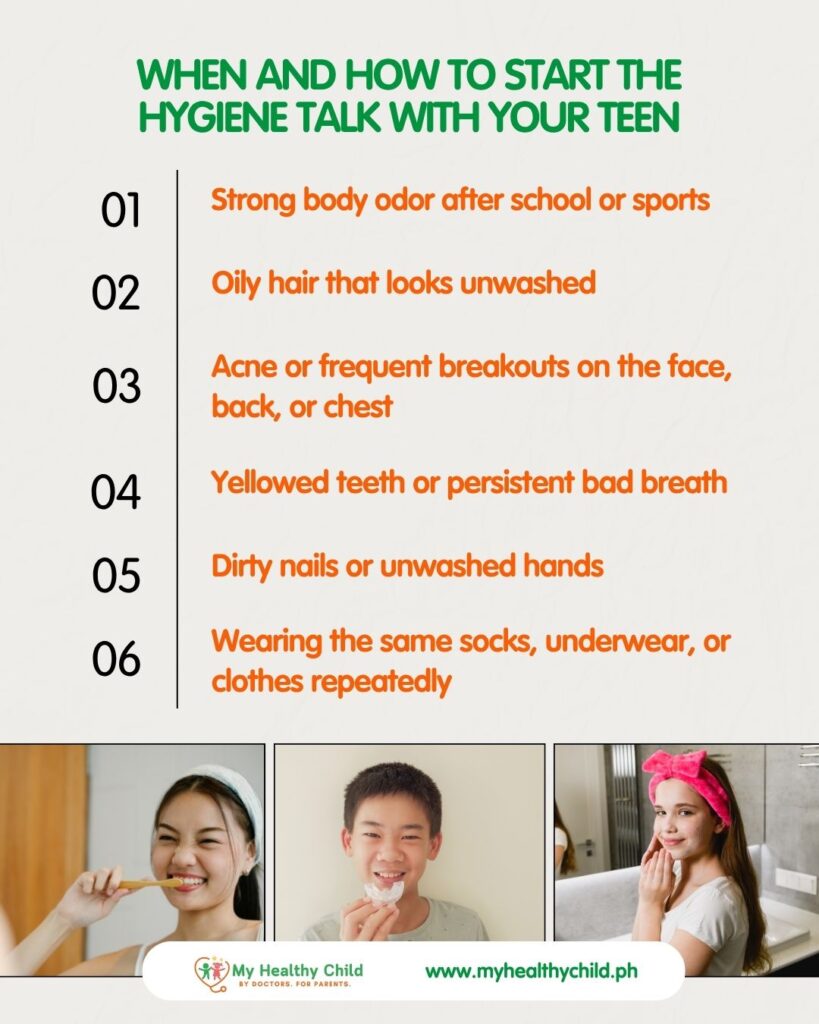
- Strong body odor after school or sports
- Oily hair that looks unwashed
- Acne or frequent breakouts on the face, back, or chest
- Yellowed teeth or persistent bad breath
- Dirty nails or unwashed hands
- Wearing the same socks, underwear, or clothes repeatedly
If you’re noticing one or more of these, don’t panic—it just means it’s time to teach, not scold.
How to Talk About Hygiene Without the Awkwardness
Teens are incredibly sensitive to tone. Here’s how to open the conversation in a way that keeps their dignity intact:
- Keep it casual: Don’t call them out in front of others. Find a quiet moment, maybe during a car ride or while watching TV.
- Use “I” statements: Say “I noticed…” instead of “You always…” Example: “I noticed you’ve been more active lately—want help picking out a deodorant?”
- Normalize it: Let them know it’s a standard part of growing up. Everyone goes through it. Even you.
- Empower them: Give them some control. Let them choose their own hygiene products. This gives them ownership of their routine.
What Should Be in a Teen’s Hygiene Toolkit?
Help your teen stock their bathroom (or backpack) with some basics:
- Deodorant or Antiperspirant
- For controlling body odor (deodorant) or sweat (antiperspirant).
- Look for gentle, unscented, or natural options if your teen has sensitive skin.
- Facial Cleanser
- Choose a gentle, non-comedogenic cleanser to help prevent acne.
- Teens should wash their face 1–2 times a day—especially after sweating.
- Moisturizer
- Yes, even oily skin needs moisture. Use oil-free products to keep skin balanced
- Shampoo and Conditioner
- Encourage regular washing, especially if hair is greasy or if they play sports.
- Body Wash and Loofah
- Daily showers become more essential after puberty hits.
- Toothbrush, Toothpaste, and Floss
- Twice-a-day brushing and daily flossing is the goal—bad breath is a common concern at this age.
- Sanitary Products (for girls)
- Start early with information about periods—even before the first one hits.
- Let them explore pads, liners, and menstrual cups to find what they prefer.
Helpful Hygiene Habits to Build
Consistency matters more than perfection. Help them build routines by:
- Creating a simple morning and night checklist
- Using phone reminders for brushing teeth or showering
- Letting them personalize their space with products they like
- Modeling good hygiene yourself
What If They Resist?
If your teen shrugs off the conversation or ignores routines, avoid shaming or sarcasm. Instead:
- Ask what’s going on (is it forgetfulness, insecurity, or anxiety?)
- Offer to help problem-solve (set up a better schedule, try new products)
- Tie hygiene to things they care about (sports, dating, self-confidence)
Sometimes it just takes time and a few real-world consequences (like a comment from a friend) to motivate change.
When to Call the Doctor
If acne is severe or scarring, if there’s persistent body odor despite good hygiene, or if there’s sudden hair loss or rash, a pediatrician or dermatologist can help. Some teens may benefit from medical-grade acne treatments, hormone checks, or skin allergy testing.
In Summary:
Puberty comes with sweat, smells, and skin changes—but it also comes with an opportunity to teach independence, self-care, and confidence.
Approach the hygiene conversation with empathy, not embarrassment. Equip your teen with tools, knowledge, and trust—and they’ll thank you later (even if they roll their eyes now).
Note:
This article was medically reviewed and written in collaboration with doctors and medical professionals committed to providing pediatric health education.
References:
https://www.aad.org/public/young-adult/skin-care-basics/skin-care-basics-teens
https://health.clevelandclinic.org/hygiene-tips-every-teen-should-know/

Disclaimer:
The information in this article is intended for educational purposes only and does not substitute professional medical advice, diagnosis, or treatment. Always consult your physician, pediatrician, or qualified healthcare provider with any questions you may have regarding a medical condition or health objectives.