
Is It Safe for Teens to Use Skin Whitening or Diet Products?
Unpacking Beauty Pressures, Health Risks, and What Teens (and Parents) Need to Know
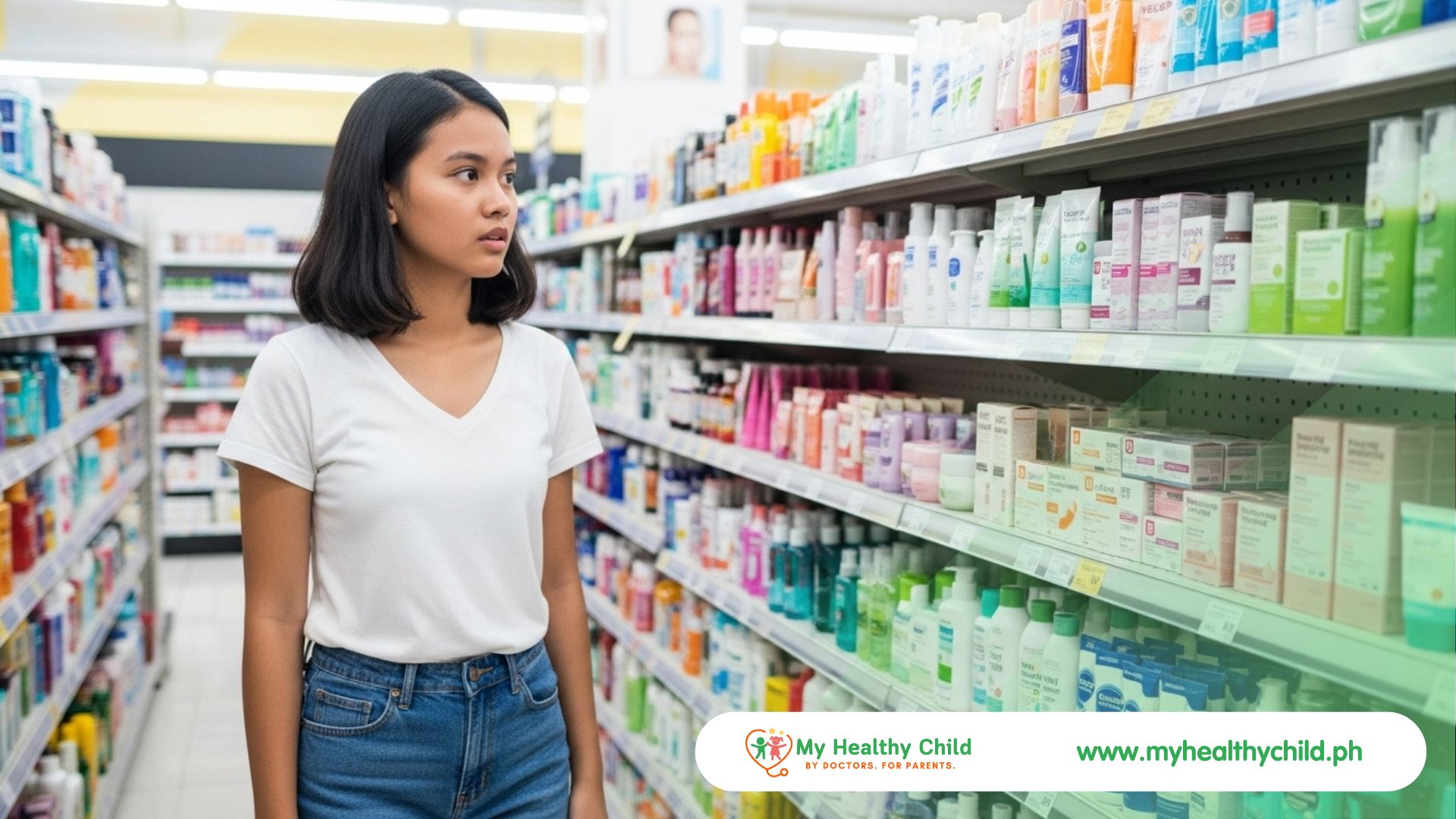
In a world of flawless selfies, filter-perfect skin, and TikTok “glow-ups,” it’s no surprise that many teens feel pressured to change the way they look. Some start experimenting with skin whitening creams. Others explore “slimming” teas or diet pills.
But is it safe? Are these products even effective—or are they doing more harm than good?
Let’s talk about it—honestly, kindly, and with your teen’s long-term health in mind.
First, Let’s Talk About Beauty Pressure
Your teen is growing up in an image-obsessed digital world. Social media algorithms flood their feed with beauty ideals that are often:
- Unrealistic (thanks to editing, filters, and cosmetic procedures)
- Eurocentric or colorist (promoting lighter skin as “better”)
- Weight-focused (equating thinness with health or success)
Add to that peer comments, family expectations, and celebrity influence—and it’s a recipe for body image stress.
Many teens don’t feel “enough.” And when they don’t, they may reach for a product promising instant change.
The Hidden Dangers of Skin Whitening Products
Skin-lightening or whitening products are marketed as creams, soaps, or serums that reduce melanin—the pigment that gives skin its color.
But here’s the catch:
Many contain harsh or illegal ingredients, such as:
- Mercury (a toxic heavy metal)
- Hydroquinone (banned or restricted in many countries)
- Steroids (which can thin the skin or cause acne, stretch marks, and infections)
Some products may not list these ingredients on the label—especially unregulated or “imported” brands sold online or in informal markets.
Long-term use can cause permanent skin damage, kidney problems, and psychological dependence.
Are Skin Whitening Products Safe for Teens?
No.
Teens have sensitive, developing skin—and these products are not only unnecessary but also unsafe.
Instead of “fixing” something, these products often create more harm—both physically and emotionally.
Let’s reframe the conversation:
Dark skin isn’t a flaw. It doesn’t need “correction.” Your teen deserves to know that.
What About Diet Pills, Slimming Teas, or “Detox” Products?
From Instagram influencers to YouTube “what I eat in a day” vlogs, teens are exposed to endless diet content.
Many of these products claim to:
- Help you lose weight fast
- Suppress appetite
- “Flush toxins”
- Boost metabolism
But they often contain:
- Caffeine or stimulants (causing heart palpitations, anxiety, or sleep problems)
- Laxatives or diuretics (leading to dehydration and electrolyte imbalance)
- Unregulated herbal ingredients (with unknown drug interactions)
For teens, these products can:
- Disrupt normal growth and hormone balance
- Lead to disordered eating
- Cause long-term organ damage or nutrient deficiencies
There’s no “magic” product for weight or wellness. Balanced habits—not gimmicks—are the real deal.
How You Can Support Your Teen
As a parent or guardian, your influence still matters—even when they pretend it doesn’t.
Here’s how you can help:
- Start conversations early.
Don’t wait for a problem to arise. Ask how they feel about their appearance, friends, or social media.
- Validate their feelings—but challenge the pressure.
“I get why you feel that way. But I also want you to know you don’t need to change to be beautiful.”
- Avoid making comments about weight or skin tone.
Even compliments can send the wrong message if they focus on appearance over effort or character.
- Set boundaries around online shopping or product use.
Help them read labels and understand what’s safe—and what’s not.
- Model self-love.
Teens learn more from what you do than what you say. Show acceptance of your own body and skin.
When to Involve a Doctor or Therapist
Seek professional help if your teen:
- Seems fixated on changing their appearance
- Is using harmful products in secret
- Expresses deep dissatisfaction with their body or skin
- Skips meals, hides food, or talks negatively about eating
Your pediatrician or a mental health specialist can guide you both toward healthier coping strategies and self-image support.
In Summary:
Your teen may be curious about skin whitening or diet products—but they’re often dangerous, misleading, and rooted in unhealthy societal pressure.
Instead of trying to change their appearance, help your teen build confidence, critical thinking, and compassion for themselves.
They don’t need to lighten their skin.
They don’t need to shrink their body.
They just need to be healthy, whole, and proud of who they are.
And they need you by their side as they figure that out.
Note:
This article was medically reviewed and written in collaboration with doctors and medical professionals committed to providing pediatric health education.
References:

Disclaimer:
The information in this article is intended for educational purposes only and does not substitute professional medical advice, diagnosis, or treatment. Always consult your physician, pediatrician, or qualified healthcare provider with any questions you may have regarding a medical condition or health objectives.