
Is It Safe for My Child to Get All These Vaccines?
Learn what’s in each vaccine, what side effects are normal, and why staying on schedule matters for long-term protection.
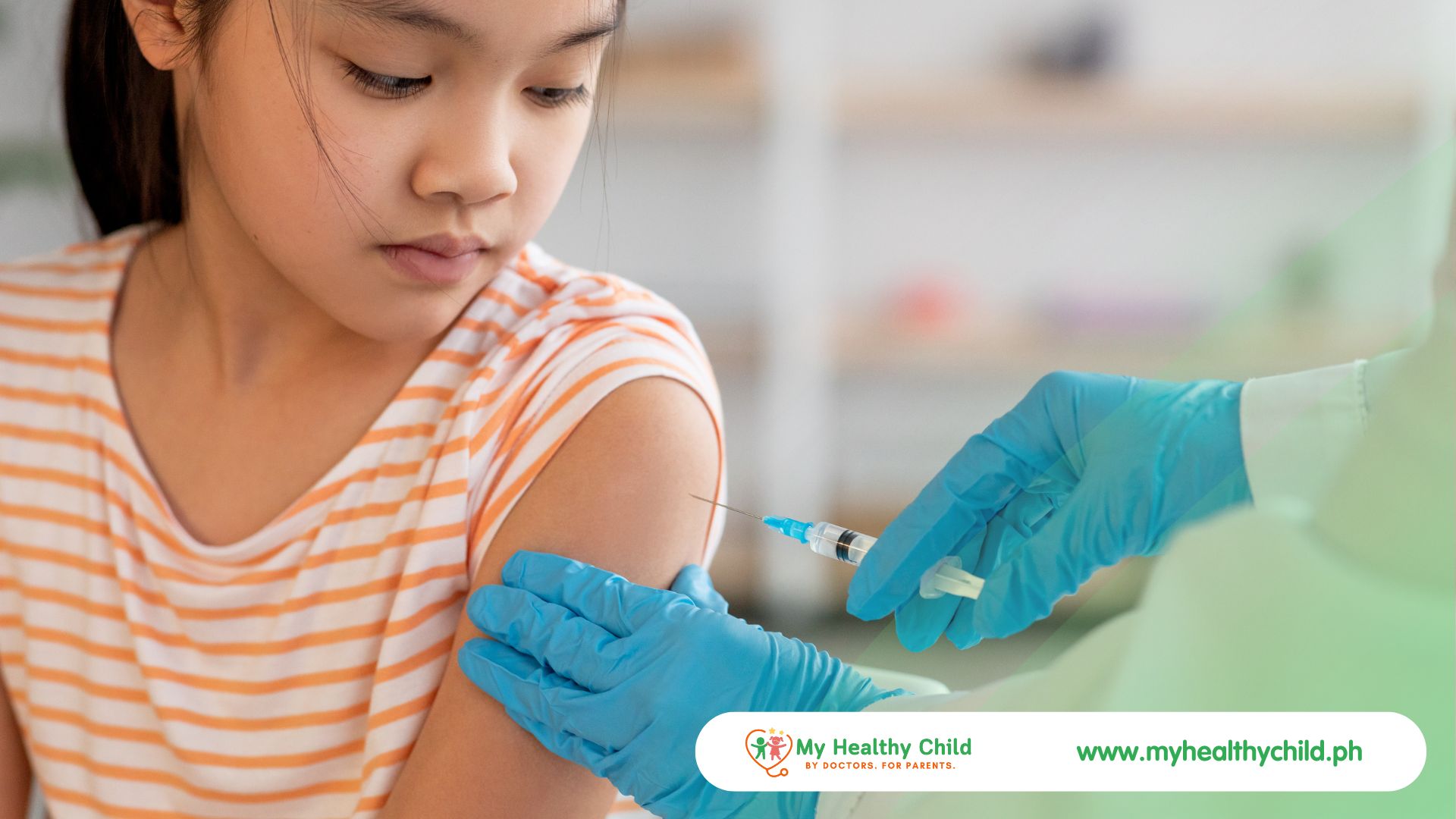
A Message from a Pediatrician
As a pediatrician, I understand why you might wonder about the number of vaccines recommended for your child. It’s a natural and important question for any parent. However, the science is overwhelmingly clear: childhood vaccines are among the safest and most effective medical advancements in history, meticulously designed to protect your child from serious, even life-threatening, diseases. This article will break down what’s in vaccines, why the schedule is critical, and why you can feel confident in choosing this essential protection for your child’s long-term health.
What Are Vaccines, Really?
Vaccines are like training flashcards for the immune system. They contain inactivated viruses, weakened bacteria, or fragments of germs that cannot cause disease but help the body learn to recognize and fight those threats.
That way, if the real thing ever shows up, your child’s immune system is already ready to respond fast and strong.
Why Are There So Many Shots?
Your child’s vaccination schedule is carefully timed to protect them at the ages when they are most vulnerable. Diseases like measles, pneumonia, and whooping cough can be especially dangerous to babies and young children. Vaccines are spaced out to maximize protection while minimizing overload.
Key Childhood Vaccines Include:
- DTaP (Diphtheria, Tetanus, Pertussis)
- MMR (Measles, Mumps, Rubella)
- IPV (Polio)
- Hib (Haemophilus influenzae type b)
- Hepatitis A & B
- Pneumococcal (PCV/PPSV)
- Rotavirus
- Varicella (Chickenpox)
- Influenza (Yearly flu shot)
- HPV (Human Papillomavirus – recommended for preteens and teens, ideally at age 11 or 12 years, to protect against certain cancers and genital warts)
- Meningococcal ACWY
Beyond the Basics: Newer and Specialized Vaccines
Some children may also need additional vaccines based on age, travel, or medical condition:
- PCV20 (Pneumococcal Conjugate Vaccine 20-valent): Broader protection against more strains of pneumococcal bacteria (20 strains) than previous vaccines like PCV13. Helps prevent pneumonia, ear infections, and other invasive diseases.
- PPSV23 (Pneumococcal Polysaccharide Vaccine 23-valent): Protects against additional 11 pneumococcal strains not in PCV20. Often recommended for children over 2 years old with specific health risks.
- Meningococcal B Vaccine: Protects against meningococcal serogroup B, a leading cause of bacterial meningitis and sepsis in teens and young adults.
- Meningococcal ACWY: Protects against four common serogroups (A, C, W, Y) of meningococcal bacteria, which can cause severe meningitis and blood infections, primarily recommended for adolescents.
- Japanese Encephalitis Vaccine (JEV): Protects against Japanese Encephalitis, a serious mosquito-borned viral disease affecting the brain with a short dosing schedule of 2-dose series. Recommended for children living in or traveling to endemic areas in Asia and the Pacific.
- Typhoid Vaccine: Protects against typhoid fever, a bacterial infection spread through contaminated food and water. For children traveling to places where typhoid fever is a risk or living with a carrier.
These may not be part of the routine schedule but are powerful tools when needed.
What’s Actually In the Vaccines?
Parents often worry about what’s inside a vaccine. Here’s what’s typically included—and why:
- Antigens: The tiny pieces of virus or bacteria that trigger the immune system to learn.
- Stabilizers: Help preserve the vaccine during transport and storage.
- Preservatives: Prevent contamination, especially in multi-dose vials.
Adjuvants (like aluminum salts): Boost the body’s immune response. Used in small, safe amounts.
What’s NOT in most modern childhood vaccines:
- Mercury (Thimerosal): Removed or reduced in most vaccines. Any traces left (e.g., in some flu shots) are in extremely small, safe amounts.
- Live diseases: Except for weakened forms used in select vaccines like MMR and varicella.
Vaccines go through years of testing, trials, and safety reviews before they ever reach your child.
Are All These Vaccines Safe?
Yes. In fact, vaccines are some of the most well-studied and safest medical tools we have. Billions of doses have been given safely around the world.
👶 Common, normal side effects:
- Mild fever
- Soreness at the injection site
- Tiredness or fussiness
- Lower appetite for a day or two
These signs actually mean the immune system is learning!
🚨 Rare side effects (extremely rare):
- Allergic reaction (1 in a million)
- Seizures related to high fever (not caused directly by vaccine)
Healthcare professionals are trained to manage these risks—and the risk of serious disease is much, much higher.
Should I Space Out Vaccines?
Some parents worry about giving too many shots at once, but rest assured:
- Combined vaccines like MMR or DTaP are designed to work together and reduce needle sticks.
- Delaying vaccines leaves children vulnerable when they’re most at risk.
- The immune system can easily handle many antigens—kids are exposed to hundreds every day from food, toys, even the floor.
There is no scientific evidence that spacing out vaccines is safer.
Why Staying on Schedule Matters
Vaccines don’t just protect your child—they protect your community.
By staying on schedule, you’re helping stop outbreaks of dangerous diseases like measles and whooping cough. This is especially critical for children who can’t be vaccinated due to medical reasons.
In Summary:
Vaccines are safe. They are smart. And they work.
Let’s recap:
✅ Vaccines protect against serious illness
✅ Side effects are normal and usually mild
✅ Delaying or skipping vaccines increases risk
✅ Your child’s immune system is built to handle multiple vaccines
✅ Newer vaccines offer even broader protection
Ask your pediatrician anything—there’s no such thing as a silly question. At the end of the day, your care and curiosity are what make you an amazing parent.
💚 From all of us at MyHealthyChild, thank you for protecting your child’s future. We’re here to make parenting healthier, easier, and less overwhelming—one trusted article at a time.
Note:
This article was medically reviewed and written in collaboration with doctors and medical professionals committed to providing pediatric health education.
References:
https://www.cdc.gov/vaccinesafety/concerns/index.html
https://www.who.int/news-room/questions-and-answers/item/vaccine-safety

Disclaimer:
The information in this article is intended for educational purposes only and does not substitute professional medical advice, diagnosis, or treatment. Always consult your physician, pediatrician, or qualified healthcare provider with any questions you may have regarding a medical condition or health objectives.