
How to Protect Your Newborn from Dengue and Mosquito Diseases
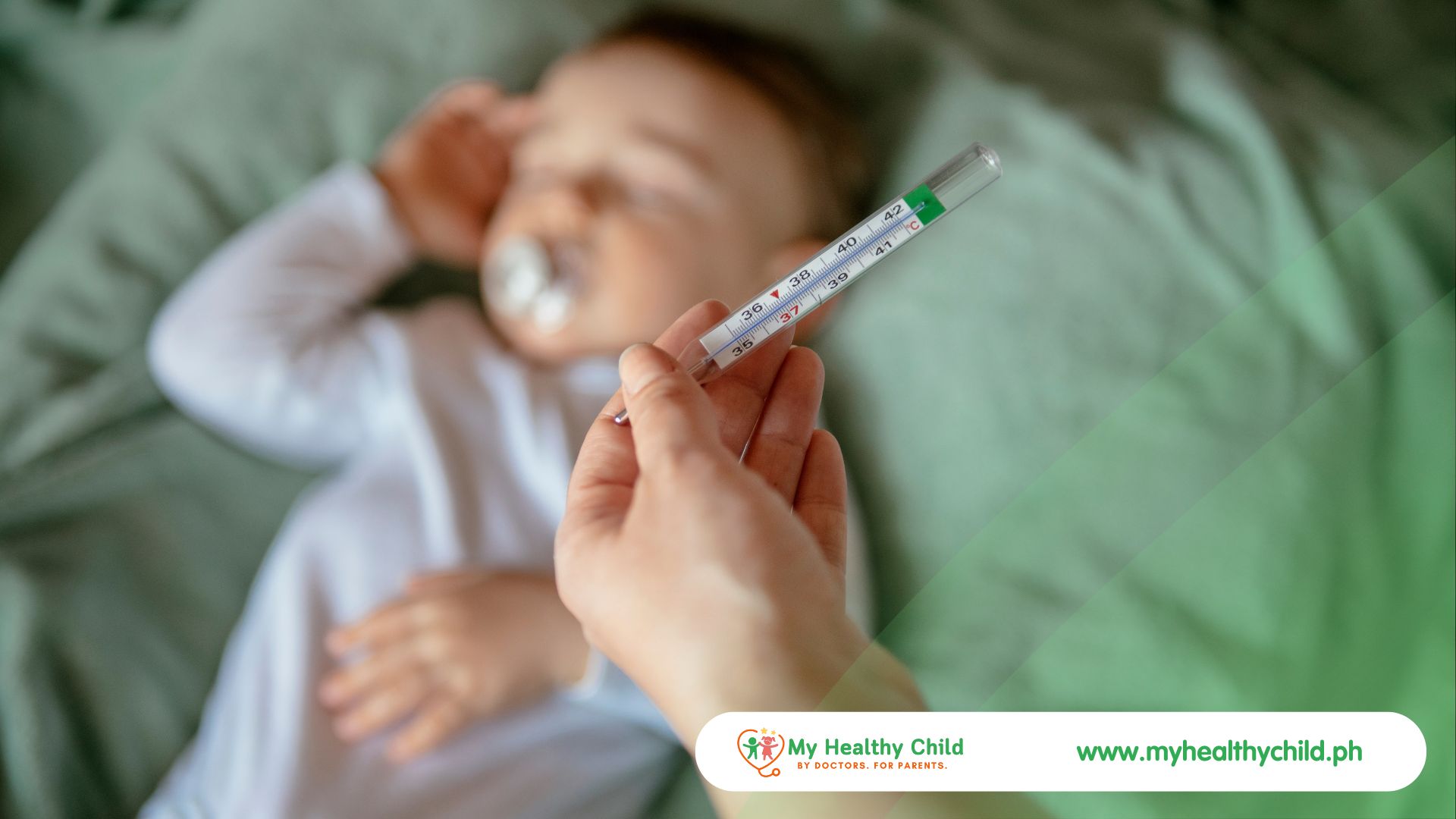
In tropical countries like the Philippines, mosquitoes are more than just an itchy nuisance—they can carry serious illnesses like dengue, chikungunya, and Zika. For newborns and young children, dengue fever is especially dangerous because their immune systems aren’t fully developed yet.
So if you’re wondering how to keep your baby safe from bites while still enjoying fresh air and naps near open windows—this article is for you.
Let’s walk through practical, parent-friendly tips on prevention, early warning signs, and how to create a safe environment for your little one.
Why Babies Are More Vulnerable
Newborns can’t swat mosquitoes away. They can’t move if they’re uncomfortable. And because their bodies are still adapting to the world, even a mild infection can become serious quickly.
That’s why mosquito protection isn’t just a “nice to have”—it’s a must for every parent in mosquito-prone areas.
Key Signs of Dengue Fever in Child
Whether your baby is a few days old or a few months, be on the lookout for these signs of dengue fever in child:
⚠️ Sudden high fever (over 39°C / 102°F)
⚠️ Baby is very irritable or drowsy
⚠️ Skin rashes (often after the fever starts to drop)
⚠️ Loss of appetite or refusal to feed
⚠️ Vomiting or diarrhea
⚠️ Unusual bruising or bleeding gums
⚠️ Cold hands and feet, or signs of dehydration
If you notice two or more of these signs of dengue fever in child, head to the nearest hospital or pediatrician immediately. Dengue in infants can progress quickly—and early care is life-saving.
1. Use Mosquito Nets Over Cribs and Strollers
This is the oldest and most effective method—and it still works wonders.
Make sure your newborn’s crib, bassinet, or stroller has a fitted mosquito net that covers all sides, especially during naps and nighttime. Choose breathable mesh with small holes to block even the tiniest mosquitoes.
Pro tip: Avoid opening the net often, especially during early evening when mosquitoes are most active.
2. Choose Baby-Safe Insect Repellents
Not all insect repellents are safe for newborn skin. In fact, most should not be applied directly to babies under 2 months old.
Instead, try these options:
✅ Apply insect repellent baby-safe sprays on clothing only, never on skin
✅ Use mosquito repellent stickers or patches attached to nearby surfaces (not directly on baby)
✅ Try mosquito-repelling fabric softeners or essential oil sachets—lavender, citronella, or lemon eucalyptus (but don’t place too close to baby’s face)
Always check labels for age recommendations and make sure products are pediatrician-approved.
3. Remove Standing Water Around Your Home
Mosquitoes breed in even the smallest puddles. One bottle cap of water is enough to create a breeding ground.
Do a weekly sweep around your home and clear out:
- Plant trays
- Water buckets
- Unused toys left outside
- Clogged gutters
- Pet bowls (refresh daily)
This is one of the best dengue prevention tips you can do regularly—it cuts the mosquito population at the source.
4. Dress Your Baby Smart
Light-colored, long-sleeved clothing covers more skin and makes your baby less appealing to mosquitoes. Avoid dark clothes—they attract bugs.
Soft cotton onesies, footed pajamas, and socks are great for indoor use, especially in the early evening.
You can even spray a little insect repellent baby-safe mist on outerwear only, then let it dry before dressing your baby.
5. Use Electric or Natural Mosquito Control Devices
Plug-in mosquito traps or ultrasonic repellents can help reduce indoor mosquitoes. Just make sure they’re placed far from your baby’s crib and are ozone-safe.
Prefer something natural? Burning mosquito coils isn’t safe around babies, but you can use natural repellents like citronella diffusers or mosquito-repelling plants (like lemongrass or lavender) near windows.
What to Do If You Suspect Dengue
Even with all the prevention in the world, it’s possible for your child to get bitten. That’s why it’s critical to recognize signs of dengue fever in child early.
If your newborn has:
🚩 A high fever without cough or colds
🚩 Is becoming weak, fussy, or sleeping more than usual
🚩 Shows signs of bleeding or dehydration
Seek medical attention immediately. Dengue can quickly lead to dehydration, low platelet count, and shock in infants.
Dengue Isn’t the Only Mosquito Disease to Watch For
While dengue is the most well-known, mosquitoes can also carry chikungunya, Japanese encephalitis, and Zika. All of these can cause serious complications in babies.
That’s why all-around dengue prevention and mosquito safety apply across the board.
Final Thoughts: Stay Alert, Stay Protected
Protecting your baby from mosquitoes is a daily habit—not a one-time fix. With a combination of:
✔️ Mosquito nets
✔️ Baby-safe insect repellent
✔️ Safe environment maintenance
✔️ Awareness of signs of dengue fever in child
…you’re giving your newborn the best defense possible.
Prevention is powerful—and so are you, parent.
MyHealthyChild: Helping Filipino Families Stay One Step Ahead
At MyHealthyChild, we help you fight dengue with confidence—from mosquito-proofing your nursery to spotting early signs of dengue fever in child.
✅ Trusted advice made simple
✅ Focused on Filipino families and tropical health risks
✅ Backed by pediatricians and public health experts
Explore more at MyHealthyChild — because your baby’s safety is our mission, every step of the way.
Disclaimer:
The information in this article is intended for educational purposes only and does not substitute professional medical advice, diagnosis, or treatment. Always consult your physician, pediatrician, or qualified healthcare provider with any questions you may have regarding a medical condition or health objectives.