
How Much Sleep Is Enough for a Teenager?
Understanding Adolescent Sleep Needs and Promoting Healthy Habits

If your teenager seems perpetually tired, struggles to wake up in the morning, or relies heavily on weekend sleep-ins, you’re not alone. Many parents observe these patterns and wonder: Is my teen getting enough sleep?
The teenage years are marked by significant physical, emotional, and cognitive development, all of which are closely tied to sleep. Understanding how sleep needs evolve during adolescence and establishing healthy routines can make a substantial difference in your teen’s well-being.
Recommended Sleep Duration for Teens
According to the American Academy of Sleep Medicine (AASM), teenagers aged 13 to 18 should aim for 8 to 10 hours of sleep per night to promote optimal health.
However, studies indicate that many teens fall short of this recommendation. Factors contributing to insufficient sleep include academic pressures, extracurricular activities, social engagements, and screen time.
The Importance of Sleep During Adolescence
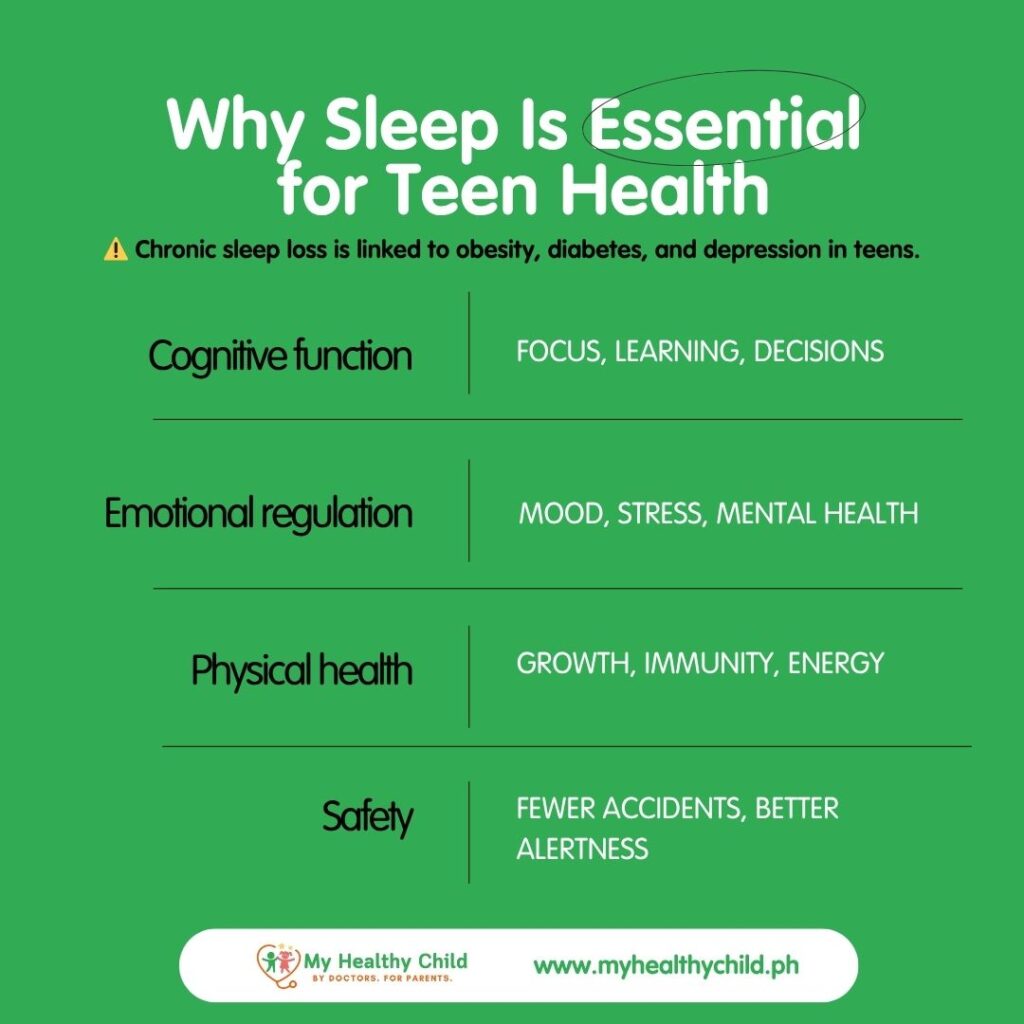
Sleep is not merely a period of rest; it’s a critical component of healthy development. Adequate sleep supports:
- Cognitive Function: Enhances attention, decision-making, and academic performance.
- Emotional Regulation: Helps manage stress, mood swings, and reduces the risk of depression.
- Physical Health: Supports growth, immune function, and overall physical development.
- Safety: Reduces the likelihood of accidents, including drowsy driving incidents.
Chronic sleep deprivation in teens has been linked to various health issues, including obesity, diabetes, and mental health disorders.
Why Do Teens Struggle with Sleep?
Several factors contribute to sleep challenges during adolescence:
- Biological Changes
During puberty, the body’s internal clock shifts, causing teens to feel alert later at night. This natural delay in sleep timing, known as “sleep phase delay,” makes early bedtimes challenging.
- Academic and Social Demands
Homework, part-time jobs, sports, and social activities often extend into the evening, cutting into sleep time.
- Screen Time
Exposure to screens before bedtime can interfere with the body’s production of melatonin, a hormone that regulates sleep. The blue light emitted by devices like smartphones and tablets can delay sleep onset.
- Early School Start Times
Many schools start early in the morning, requiring teens to wake up before their natural sleep cycle allows, leading to sleep deprivation.
Establishing Healthy Sleep Habits
Promoting good sleep hygiene can help your teen achieve better rest:
- Consistent Sleep Schedule: Encourage your teen to go to bed and wake up at the same times each day, even on weekends.
- Limit Screen Time: Implement a “no screens” rule at least an hour before bedtime to reduce blue light exposure.
- Create a Relaxing Bedtime Routine: Activities like reading or listening to calming music can signal the body it’s time to wind down.
- Optimize the Sleep Environment: Ensure the bedroom is cool, quiet, and dark. Consider blackout curtains or white noise machines if necessary.
- Encourage Physical Activity: Regular exercise can promote better sleep, but it’s best to avoid vigorous activity close to bedtime.
- Monitor Caffeine Intake: Advise your teen to avoid caffeine in the late afternoon and evening.
When to Consult a Healthcare Provider
If your teen consistently struggles with sleep despite implementing healthy habits, it may be time to seek professional advice. Signs that warrant medical attention include:
- Persistent difficulty falling or staying asleep
- Excessive daytime sleepiness
- Snoring or breathing difficulties during sleep
- Mood changes or signs of depression
- Declining academic performance
A healthcare provider can assess underlying conditions such as sleep disorders, mental health issues, or other medical concerns.
Additional Resources
For more information on teen sleep health, consider exploring the following resources:
In Summary:
Sleep is a vital component of adolescent health, influencing everything from academic success to emotional well-being. By understanding the unique sleep needs of teenagers and fostering an environment that supports healthy sleep habits, parents can play a crucial role in their teen’s development and overall quality of life.
Note:
This article was medically reviewed and written in collaboration with doctors and medical professionals committed to providing pediatric health education.

Disclaimer:
The information in this article is intended for educational purposes only and does not substitute professional medical advice, diagnosis, or treatment. Always consult your physician, pediatrician, or qualified healthcare provider with any questions you may have regarding a medical condition or health objectives.