
How Do I Know If My Child Is Ready for Toilet Training?
Learn what readiness really means, how to guide the process gently, and what to do if your child resists or regresses

At a Glance
- Most children show readiness signs between 18 and 36 months, but age alone isn’t the cue
- Success depends on physical, emotional, and developmental signs—not pressure or timing
- Setbacks are normal and don’t mean failure
What Readiness Really Looks Like
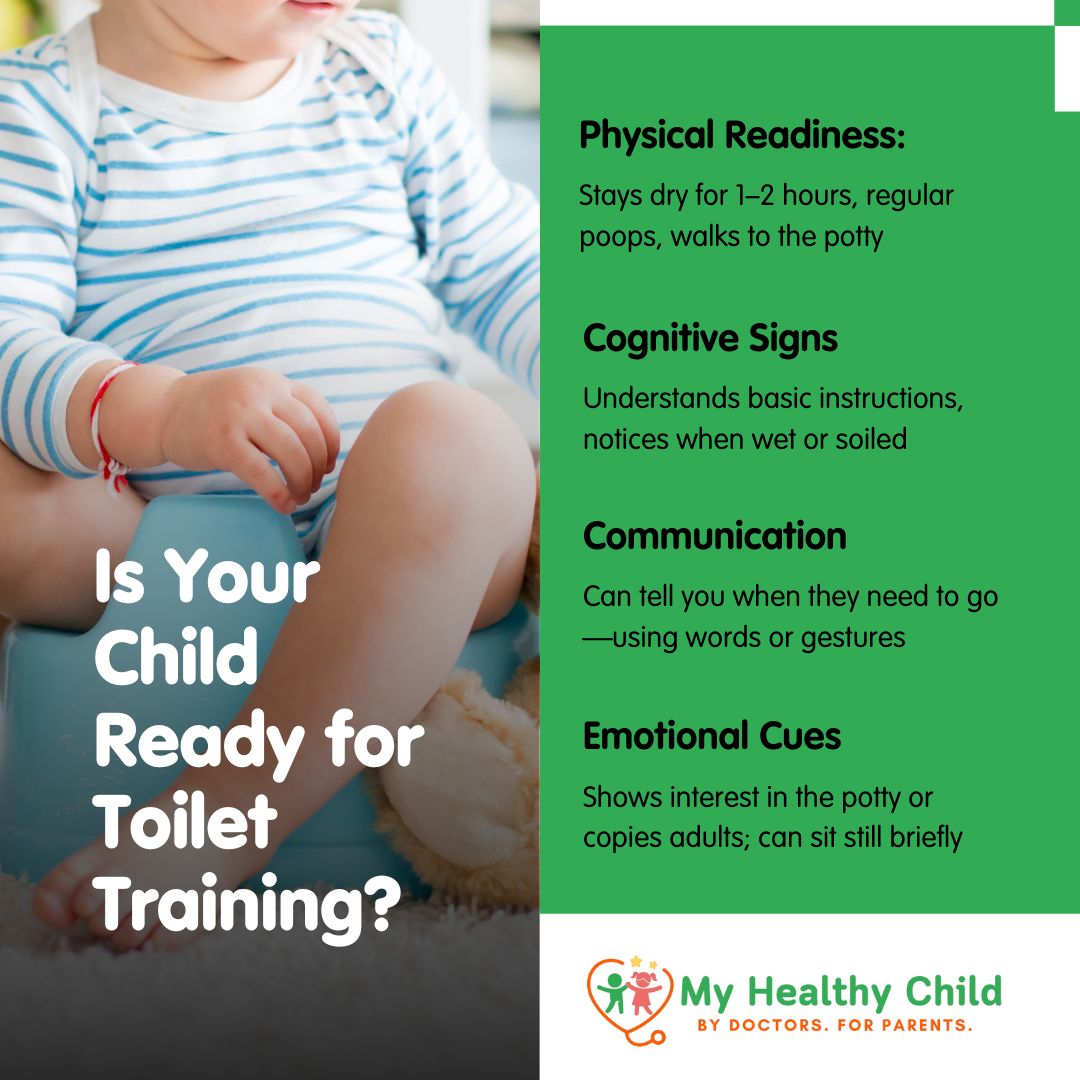
- Physical readiness: Can stay dry for 1–2 hours, has regular bowel movements, and can walk to the potty
- Cognitive signs: Understands simple instructions, notices when they’re wet or soiled, and can follow steps
- Communication: Can express needs using words or gestures
- Emotional cues: Shows interest in the potty or copying adults, and can tolerate brief sitting still
What Helps the Process Go Smoothly
- Introduce gradually: Start by letting your child watch and learn—don’t expect immediate use
- Use the right equipment: A child-sized potty or secure seat reducer with a footrest supports posture and confidence
- Offer routine opportunities: Sit your child on the potty at predictable times—after meals, naps, or before baths
- Keep it short: Aim for 1–2 minutes per sitting, never forced
- Stay calm and neutral: Praise effort, not just results. Avoid scolding or comparing
When Your Child Resists or Regresses
- Not a behavior problem: Resistance may signal stress, fear, or lack of readiness
- Pause, don’t push: If your child cries, refuses, or has more accidents, take a break for a few weeks before trying again
- Regression is common: Illness, travel, or a new sibling may cause temporary setbacks—stay reassuring and consistent
- Nighttime dryness takes longer: It’s normal for bedwetting to persist months or years after daytime training
What to Do Next: Guidance for Parents
- Start when your child shows multiple signs—not just based on age or external pressure
- Create a positive, low-stress potty routine without rewards or punishments
- Talk to your pediatrician if your child is over age 4 with no progress, has painful urination, or frequent constipation
Note:
This article was medically reviewed and written in collaboration with doctors and medical professionals committed to providing pediatric health education.
References:
Centers for Disease Control and Prevention (CDC) – Early Childhood Development
American Academy of Pediatrics (AAP)
World Health Organization (WHO) – Early Childhood Development

Disclaimer:
The information in this article is intended for educational purposes only and does not substitute professional medical advice, diagnosis, or treatment. Always consult your physician, pediatrician, or qualified healthcare provider with any questions you may have regarding a medical condition or health objectives.