
How Do I Know If My Child Has Vision or Hearing Problems?
Spot the signs early—and set your child up for lifelong success
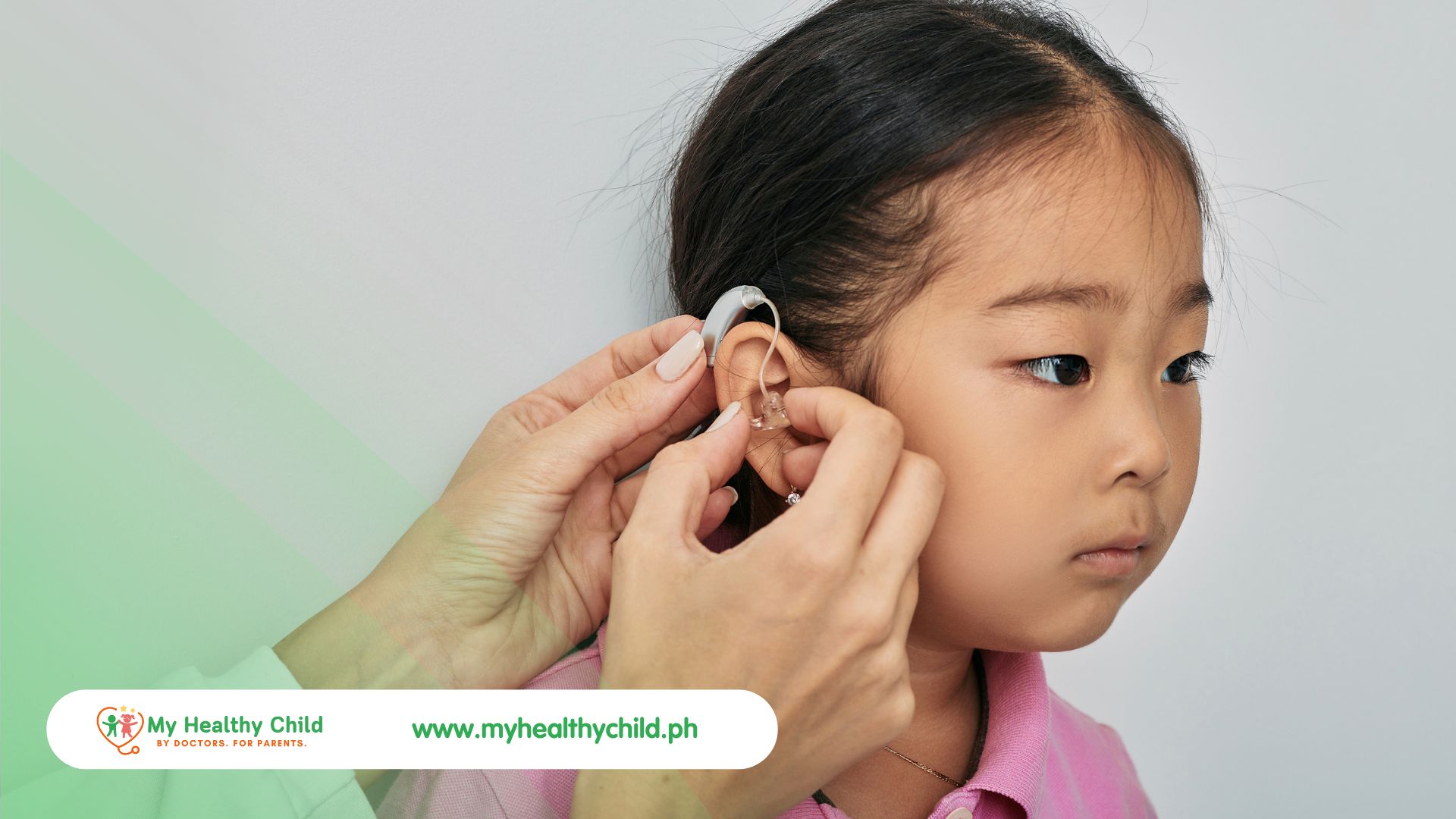
Your child isn’t ignoring you on purpose (well, not always). And they’re probably not clumsy just for fun.
Sometimes, what looks like “bad behavior” or “daydreaming” is actually your child struggling to see or hear the world clearly. But how can you tell?
Here’s a parent-friendly breakdown of how to spot early vision and hearing issues— because catching them early can make a huge difference in your child’s learning, confidence, and overall health.
First Up: Vision Problems in Kids
Good eyesight plays a huge role in everything from reading and writing to playing and socializing. But kids don’t always know they have blurry vision—especially if it’s been that way since the start.
Look Out for These Signs:
- Squinting or covering one eye to see better
- Sitting too close to the TV or holding books very near
- Frequent eye rubbing or blinking
- Headaches, especially after reading
- Complaints of eye pain or tired eyes
- Clumsiness or bumping into things
- Falling behind in school (especially in reading or writing)
Pro tip: Many vision problems are silent—a simple eye test can reveal more than your child can explain.
What You Can Do:
- Schedule a full eye exam by age 3, or sooner if you notice signs
- Repeat vision checks yearly, especially once your child starts school
- If glasses are prescribed, make them fun!
- Let your child help choose the frame so they’ll be excited to wear them
Now Let’s Talk Hearing
Hearing isn’t just about volume—it’s about clarity. Even a slight hearing issue can make it hard for a child to learn new words, follow directions, or make friends.
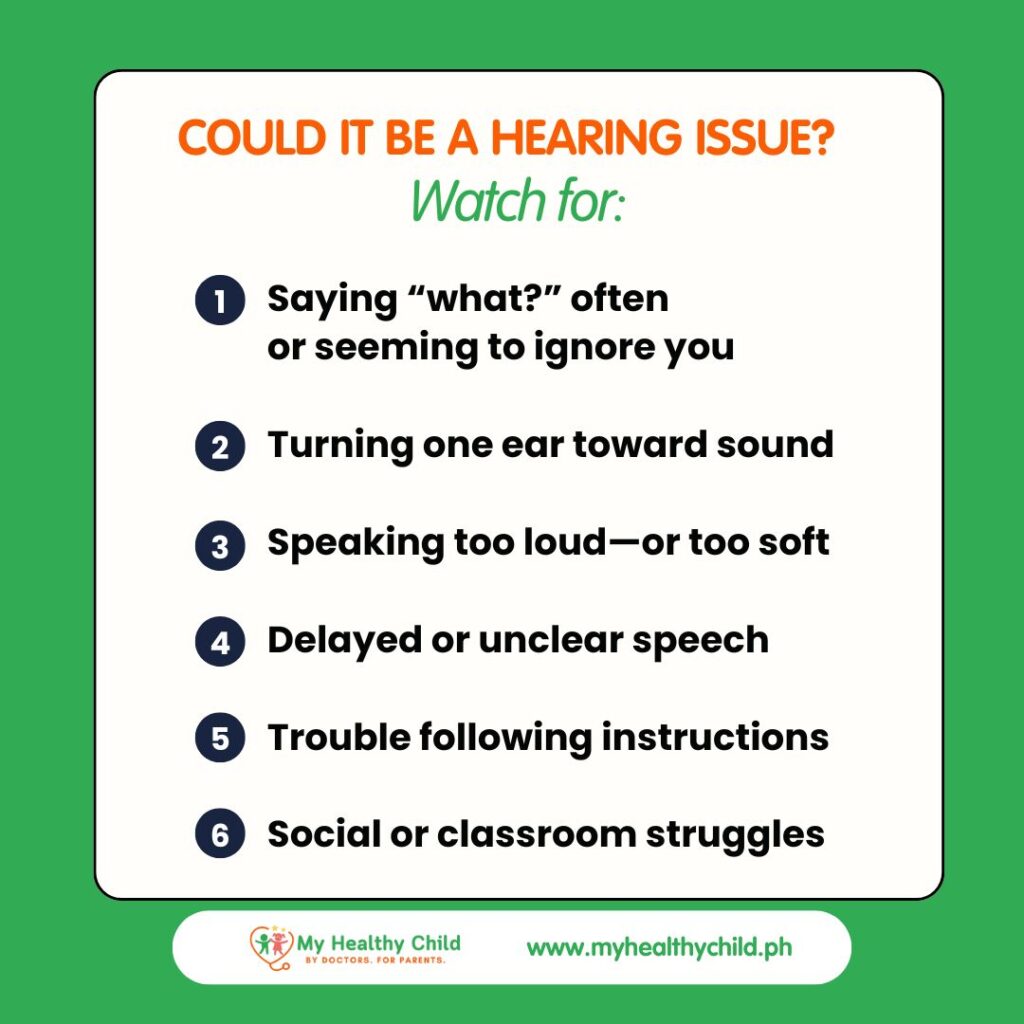
Watch for These Clues:
- Your child seems to ignore you or says “what?” often
- Turning one ear toward sounds (especially the TV or during convo)
- Speaking too loudly—or too softly
- Delayed speech development
- Mispronouncing words or mixing up similar sounds
- Struggling to follow instructions or pay attention
- Trouble with peer interaction or classroom participation
Sometimes hearing problems look like “not listening.” But they’re actually listening… just not hearing clearly.
What You Can Do:
- Ask your pediatrician for a hearing screening—especially if there’s a history of frequent ear infections
- If your child is under 5, watch speech milestones closely and flag any delays • For older kids, watch for issues in school or social settings
When to See a Professional
Call your doctor or get a specialist check-up if:
- You observe any of the signs above consistently
- There’s been a recent illness (like an ear infection or flu) followed by hearing/vision changes
- Teachers mention concerns about behavior, focus, or academic performance
- There’s a family history of vision or hearing problems
The earlier you act, the easier it is to correct—or support—the issue.
Why Early Detection Matters So Much
Vision and hearing aren’t just senses—they’re the gateway to learning, communication, and confidence.
Undiagnosed issues can lead to:
- Poor academic performance
- Frustration or behavioral problems
- Social withdrawal or anxiety
- Delayed speech and learning
But with early detection? You open the door to better support, clearer understanding, and a happier, more confident child.
Bonus Tip: Trust Your Parental Instinct
No one knows your child like you do.
If something feels “off,” even if you can’t explain it—ask. Request a screening.
Professionals will never fault you for being cautious. They’ll thank you for being proactive.
In Summary:
Kids don’t always tell us what they’re struggling with. Sometimes they can’t. That’s why it’s up to us to watch closely, listen patiently, and act early when needed.
And remember: supporting your child’s vision and hearing isn’t just about tests and tools— it’s about giving them every chance to thrive in the world.
Follow MyHealthyChild for more real-world advice that helps you parent with clarity and confidence—because healthy development starts with empowered parents.
Note:
This article was medically reviewed and written in collaboration with doctors and medical professionals committed to providing pediatric health education.
References:

Disclaimer:
The information in this article is intended for educational purposes only and does not substitute professional medical advice, diagnosis, or treatment. Always consult your physician, pediatrician, or qualified healthcare provider with any questions you may have regarding a medical condition or health objectives.