
Colic in Infants: What Research and Experts Recommend for Parents

Any parent who has cared for a colicky baby knows how overwhelming it can be. Prolonged crying, sleepless nights, and constant worry can leave families exhausted. Colic affects up to 1 in 5 infants, and while it usually resolves on its own, the stress it creates during those first months can feel never-ending.
The Gut–Comfort Connection
A baby’s gut is still developing in the early months of life, and the balance of bacteria inside it plays an important role in digestion, immunity, and overall comfort. Studies have found that infants with colic often show differences in their gut microbiome — with fewer “helpful” bacteria and more gas-producing ones. This imbalance may contribute to fussiness and digestive discomfort.
Where Science Offers Reassurance
Researchers have been exploring whether probiotics — beneficial bacteria that support gut balance — can help ease colic. Among the most studied probiotic for the management of infant colic is Lactobacillus reuteri. In several clinical trials, this strain has been associated with reduced crying and fussing in colicky babies.
While results can vary, these findings suggest that probiotics may gently support gut health during a challenging stage of development. Parents interested in this approach are encouraged to discuss it with their pediatrician.
Parent Cheat Sheet: Nurturing Your Baby’s Gut Health
Breastfeed when possible – breast milk naturally nourishes good bacteria
Consider probiotics – some strains, like Lactobacillus reuteri, have been studied in colicky babies (talk to your doctor first)
Keep routines gentle – regular sleep, tummy time, and soothing help regulate comfort
Watch feeding habits – avoid overfeeding and burp often to reduce gas
As your child grows – introduce fiber-rich fruits, veggies, and whole grains to feed healthy microbes
💡 Remember: Colic is common, temporary, and not your fault. Supportive routines and, where appropriate, probiotics may help make this stage easier for both baby and parents.
Disclaimer:
The information in this article is intended for educational purposes only and does not substitute professional medical advice, diagnosis, or treatment. Always consult your physician, pediatrician, or qualified healthcare provider with any questions you may have regarding a medical condition or health objectives.
Gut Health Check — Quick Self-Assessment
Answer these short questions to get a quick sense of your child’s gut health. Not a diagnosis — consult a doctor for concerns.
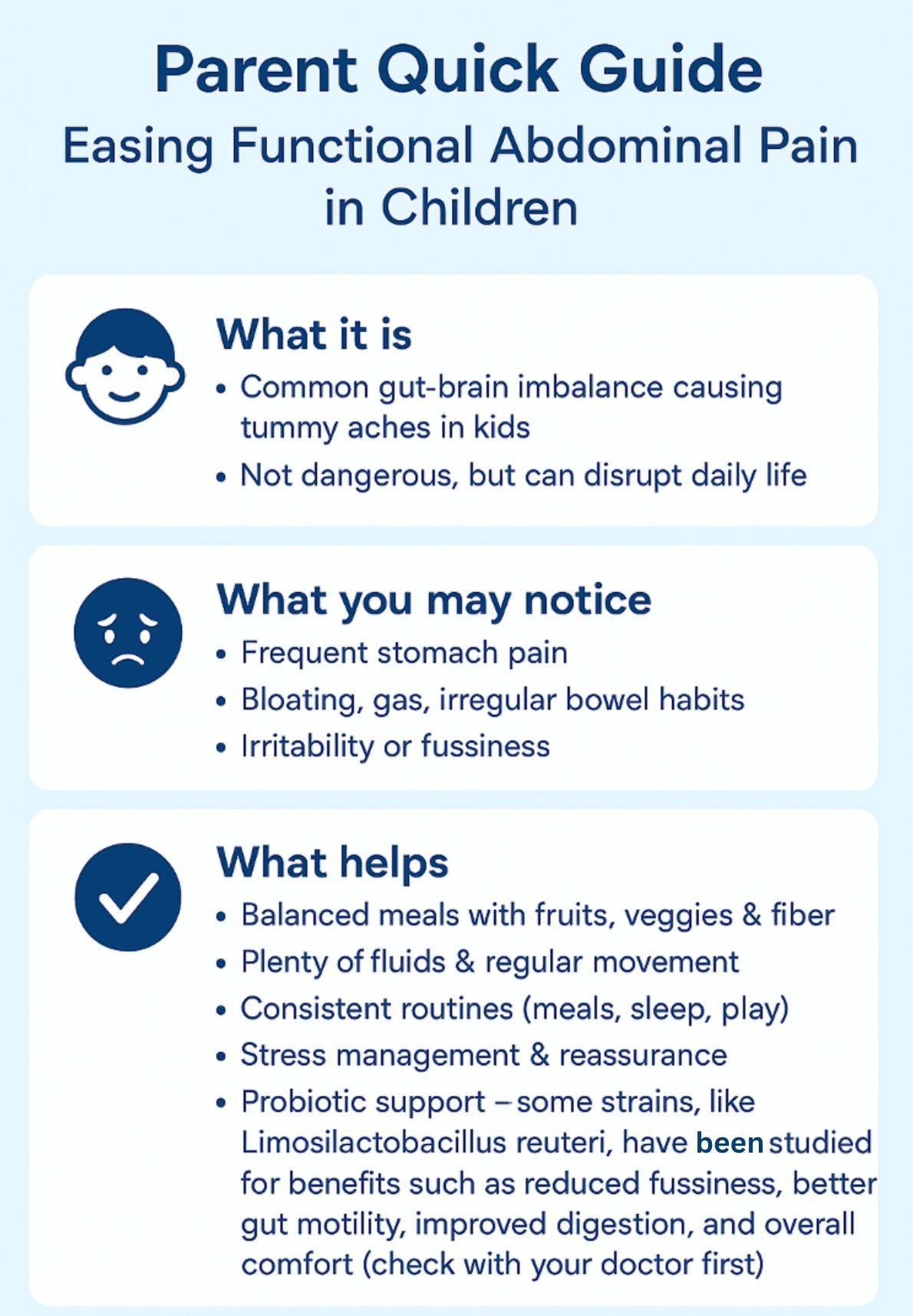
Parent Quick Guide
- Offer fiber-rich fruits, vegetables, and whole grains
- Keep regular sleep and mealtime routines
- Encourage daily movement or play
- Limit sugary and highly processed foods
When to seek care
- Severe, worsening, or night-waking pain
- Unexplained weight loss, vomiting, or blood in stool
- After antibiotics, ask about microbiome recovery strategies
Probiotics
Some probiotic strains such as Lactobacillus reuteri are well studied in children and infants for supporting gut comfort. Families may discuss options with their healthcare professional to see if they are appropriate.
Disclaimer: This tool provides general information only and does not replace medical advice.
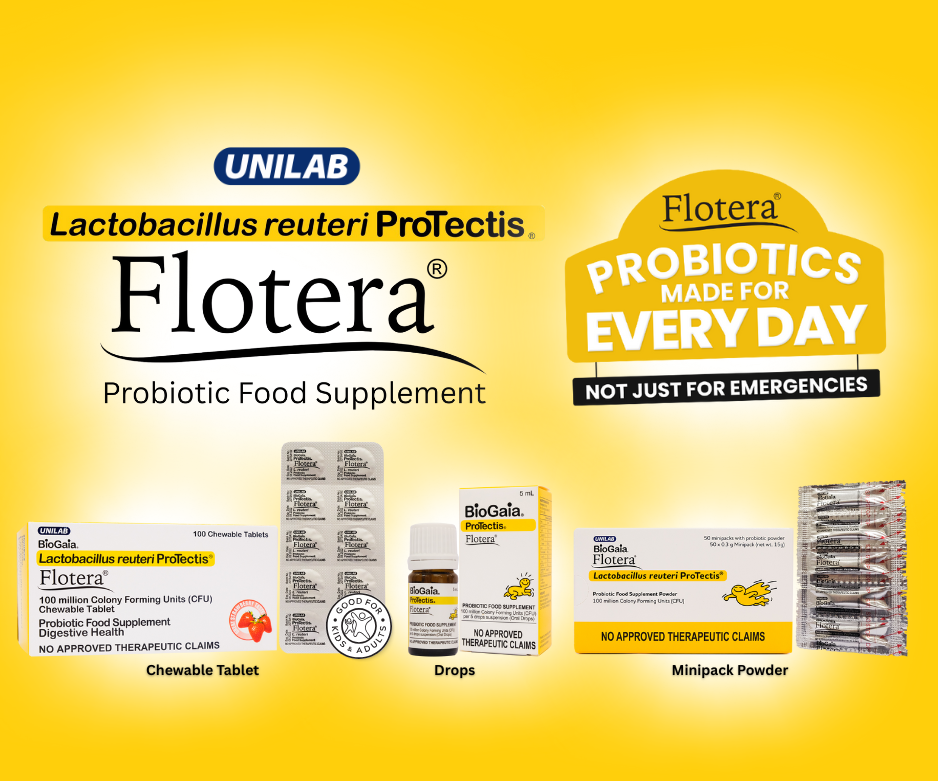
Powered by Flotera Probiotic Food Supplement