
Child Protection in the Philippines: How to File Child Abuse Cases and Navigate the Legal Process
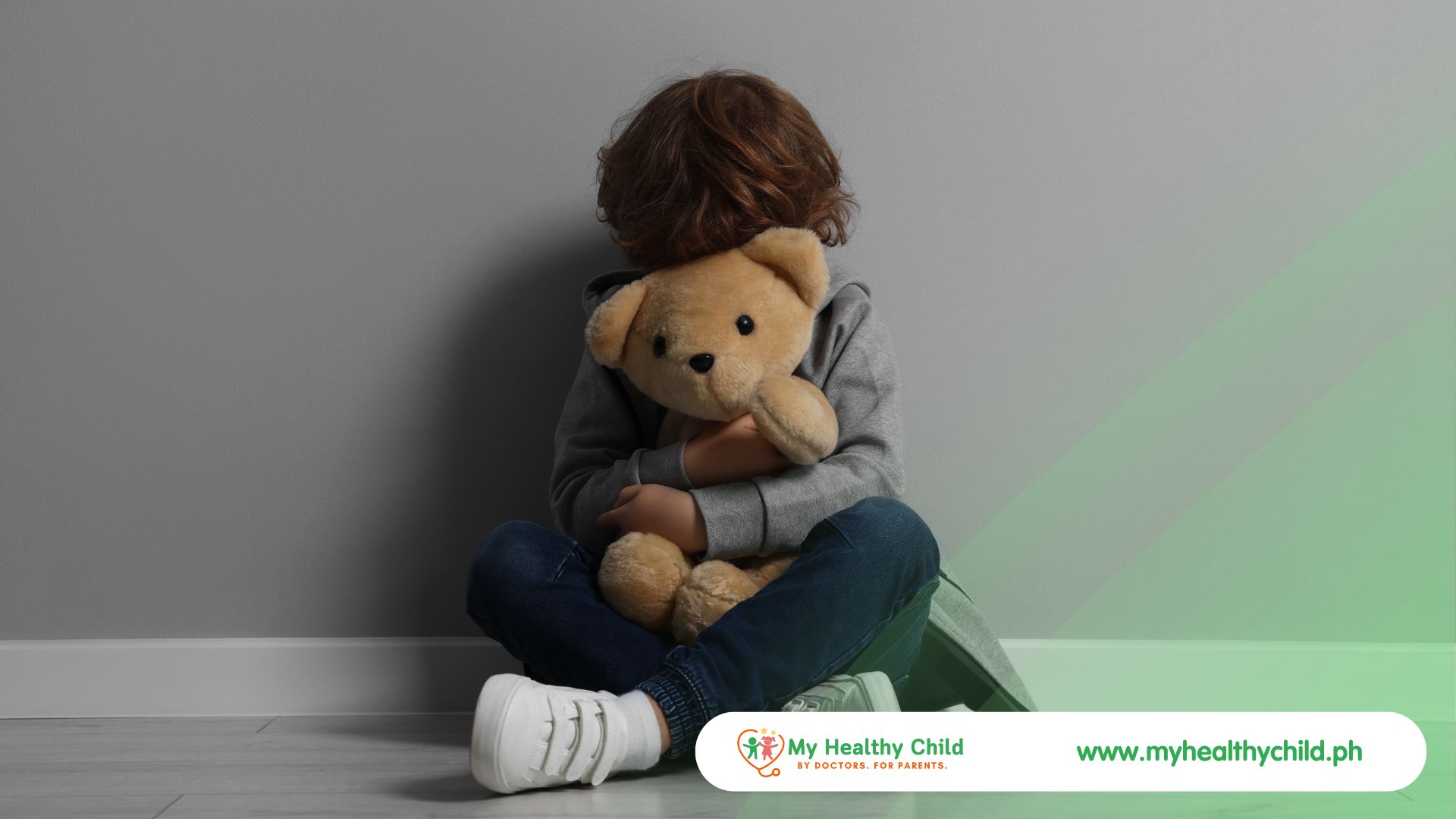
When a child’s safety is at risk, knowing how to take action is not just a parental instinct—it’s a responsibility. Child abuse comes in many forms—physical, emotional, sexual, or through neglect—and recognizing the signs early can make all the difference.
In the Philippines, child protection laws are in place to uphold children’s rights and hold abusers accountable. But for many families, the legal process can feel intimidating and unclear. This article aims to guide you—step by step—on how to report child abuse, file a case, and ensure your child receives protection and justice.
What Is Considered Child Abuse?
Under Republic Act No. 7610 (the “Special Protection of Children Against Abuse, Exploitation and Discrimination Act”), child abuse is defined as:
“Maltreatment, whether habitual or not, which includes any of the following: psychological and physical abuse, neglect, cruelty, sexual abuse, and emotional maltreatment.”
This includes:
- Hitting, slapping, or burning
- Sexual harassment or exploitation
- Threats, belittling, or verbal abuse
- Child labor and trafficking
- Denial of food, shelter, or care
Even a single instance of abuse can—and should—be reported.
⚠️ Step 1: Recognize the Signs of Abuse
Some signs are obvious. Others are hidden behind silence, fear, or shame. Common red flags include:
- Unexplained injuries or bruises
- Sudden withdrawal, anxiety, or aggression
- Fear of going home or specific adults
- Changes in behavior or school performance
- Poor hygiene or signs of malnutrition
- Age-inappropriate sexual behavior or knowledge
If you notice any of these, especially if they’re recurring, don’t dismiss them. Trust your instincts.
📝 Step 2: Report the Abuse Immediately
In the Philippines, you can report suspected abuse to several channels:
- Barangay Office – The Barangay Protection for Children (BCPC) is the frontline responder in many cases. You can file a complaint or incident report.
- DSWD (Department of Social Welfare and Development) – Call or visit your local DSWD field office or the 24/7 hotline 8888 for immediate help.
- PNP – Women and Children Protection Desk (WCPD) – File a police blotter or incident report directly at the nearest police station.
- Child Protection Units (CPUs) – Located in many hospitals, CPUs provide medical, psychological, and legal help for abused children.
- Save the Children PH or Bantay Bata 163 – These NGOs can assist you with reporting and legal referrals.
It’s important to act fast. Abuse reports can be made anonymously, but the more accurate your details, the better authorities can intervene.
🧾 Step 3: Document the Case
Gather as much evidence as you can. This includes:
- Photos of injuries or conditions
- Medical records or psychological assessments
- School reports or teacher testimonies
- Written accounts from the child or witnesses
This documentation will be crucial if the case reaches court. Keep all copies secure and confidential.
⚖️ Step 4: File a Case Through the Proper Legal Channels
If abuse is confirmed or highly suspected, legal action can be pursued:
- File a Complaint-Affidavit – This sworn statement should include what happened, when, where, and who was involved. It must be notarized and submitted to:
- The Prosecutor’s Office (for criminal cases)
- The Department of Justice (for serious or high-profile cases)
- Preliminary Investigation – The prosecutor will evaluate the complaint and may call parties to a hearing. If enough evidence is found, a formal case will be filed in court.
- Protective Custody Orders – While the case is ongoing, the court can order that the child be placed under protective custody, such as a DSWD shelter or with a safe relative.
🤝 Step 5: Support Your Child Through Recovery
The legal journey is only part of the healing process. Abused children need emotional support, counseling, and consistent love to feel safe again.
- Therapy: Enroll your child in therapy through Child Protection Units or government-recognized professionals.
- Medical care: Ensure follow-ups are done if there are physical injuries or long-term health concerns.
- Educational support: Talk to your child’s teachers or school counselors to ensure academic support and monitoring.
Remember: the child’s emotional well-being is as important as the legal case.
Your Rights as a Reporting Party
- You have the right to be protected from retaliation by the abuser.
- You can request confidentiality.
- You have the right to updates on the case’s progress.
- You can seek free legal assistance from the Public Attorney’s Office (PAO) if needed.
Final Reminders
- Reporting abuse is not just a civic duty—it’s a moral one.
- Don’t wait for “proof” before reporting. Authorities will investigate.
- Don’t confront the abuser alone. This can be dangerous.
- Prioritize the child’s safety and well-being above all else.
Let’s Move, Rain or Shine
- Bantay Bata 163 – Call 163
- DSWD Hotline – 8888
- PNP Women and Children Protection Center – (02) 8532-6690
- National Center for Mental Health – 1553 (for trauma support)
In Summary:
If you suspect child abuse, don’t stay silent. Speak up, take action, and use the tools available to protect your child or any child in danger. The process may feel daunting, but help is always available. You’re not alone—and neither is your child.
https://lawphil.net/statutes/repacts/ra1992/ra_7610_1992.html
Disclaimer:
The information in this article is intended for educational purposes only and does not substitute professional medical advice, diagnosis, or treatment. Always consult your physician, pediatrician, or qualified healthcare provider with any questions you may have regarding a medical condition or health objectives.