
Baby Fever 101: Causes, Temperature Guide, and What to Do
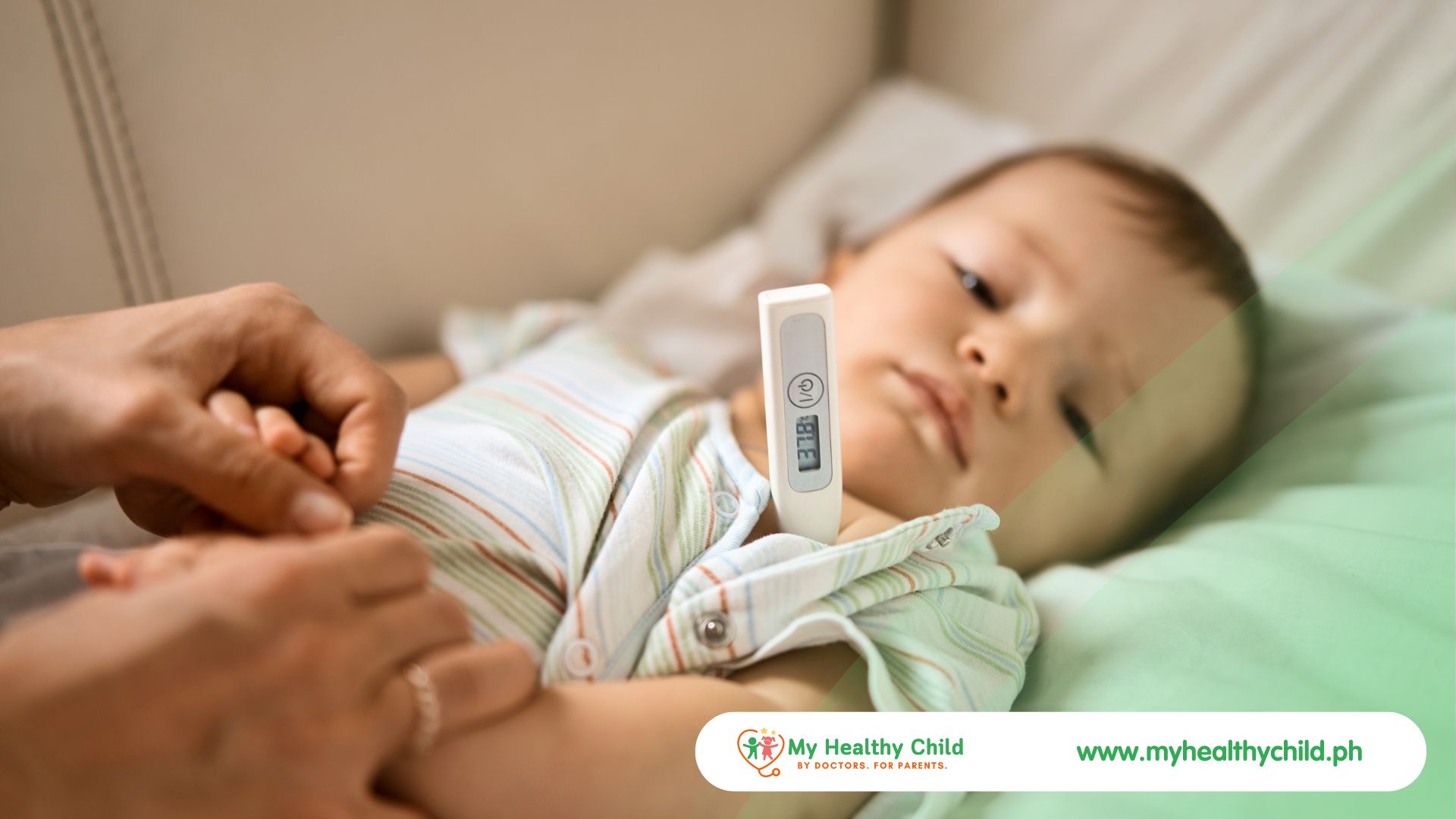
Fever in babies is one of the most common reasons parents panic—and understandably so. When your child feels warmer than usual or acts fussier than normal, it’s natural to worry. But before you jump into action, it’s important to understand what baby fever really means, when it’s serious, and how to manage it safely.
This guide covers everything you need to know about baby fever: from causes and normal temperature ranges to when to use infant cold medicine and when to see a doctor.
What Is Considered a Fever in Babies?
In general, a baby fever is defined as a body temperature of 100.4°F (38°C) or higher. However, the degree of concern varies depending on the baby’s age.
Age | When to Worry |
0–3 months | Emergency if temperature is ≥100.4°F (38°C); call your doctor immediately |
3–6 months | Watch behavior; call if temperature reaches 102°F (38.9°C) or more |
6+ months | Monitor temperature and symptoms; see doctor if >103°F (39.4°C) |
Keep in mind that rectal temperature readings are most accurate for infants under 3 months old. Ear and forehead thermometers may not be reliable in this age group.
Common Causes of Baby Fever
Fever itself isn’t a disease—it’s the body’s natural response to something unusual, most often an infection. Here are some common causes:
- Viral infections (like the common cold or flu)
- Bacterial infections (such as ear infections or urinary tract infections)
- Post-vaccination reaction (mild fever may occur after shots)
- Overheating (too much clothing or blankets)
Teething (although this usually causes a slight rise in temperature, not a true fever)
Baby Fever and Developmental Delay
Prolonged or repeated fevers in infancy can sometimes interfere with brain development, especially if not treated properly. While most fevers are harmless, chronic or severe infections left unchecked may lead to complications. Be extra cautious in babies who already have a developmental delay—any new changes in behavior or developmental milestones should prompt a pediatric consultation.
What Is the Right Baby Fever Temperature?
Understanding temperature thresholds helps you make informed decisions:
Temperature | What It Means | What to Do |
97.9°F–99°F | Normal range for most babies | No action needed |
100.4°F–102.2°F | Mild fever | Keep baby hydrated; observe behavior |
102.3°F–103°F | Moderate fever | Consider infant cold medicine if uncomfortable |
104°F or higher | High fever | Seek immediate medical attention |
Also note: babies may run slightly warmer during hot weather or after crying. Always assess other symptoms alongside the number.
When and How to Use Infant Cold Medicine
Over-the-counter infant cold medicine should be used with caution. Not all cold medications are safe or appropriate for babies under 2 years old.
Here’s a helpful chart for reference:
Medicine Type | Common Use | Age Restrictions | Comments |
Acetaminophen (Paracetamol) | Fever and discomfort | Safe for babies over 2 months | Dose by weight. Usually every 4–6 hours. |
Ibuprofen | Fever, inflammation | Safe for babies over 6 months | Longer duration (6–8 hrs); not for dehydrated or vomiting babies |
Cough/cold combinations | Congestion/cough | Not recommended under 2 years | Can cause serious side effects; avoid unless prescribed |
Nasal saline spray | Stuffy nose | Safe for all ages | Gentle and effective |
Humidifier use | Dry air relief | Safe for all ages | Cool-mist humidifiers preferred |
💡 Never give aspirin to children due to the risk of Reye’s syndrome.
And remember—don’t give multiple medications at the same time unless advised by your pediatrician. If switching between acetaminophen and ibuprofen, do so only with a doctor’s guidance.
What If Baby Has Fever and Refuses Food?
It’s normal for babies with a fever to have a lower appetite. For 1 year old baby food intake, try small, frequent feedings of easy-to-digest foods like soup, mashed banana, or soft rice. For younger infants, continue breastfeeding or formula feeding as tolerated.
Hydration is critical—dehydration worsens fever. Offer fluids frequently and watch for signs like dry mouth, fewer wet diapers, or no tears when crying.
Baby Fever During Rainy Season
The rainy season brings increased risk of infections like dengue, flu, and pneumonia—all of which can cause fever in babies. Make sure your home is mosquito-proof, your baby wears weather-appropriate clothing, and your household practices good hygiene.
The rainy season also raises the chance of respiratory illnesses, so avoid crowded indoor spaces and always keep your baby’s immunizations up to date.
When to Call the Doctor
Call your pediatrician or visit the ER if:
- Baby is under 3 months with a fever of 100.4°F or higher
- Fever lasts more than 3 days
- Baby shows signs of developmental delay or regression
- Baby has trouble breathing, stiff neck, or seizures
- Signs of dehydration (sunken eyes, dry lips, no wet diapers for 8 hours)
- Rash that doesn’t fade when pressed
- Baby is unusually irritable, unresponsive, or overly sleepy
Trust your instincts. You know your baby best—and if something feels off, it’s always better to be cautious.
A Note for Every Parent
Every baby gets a fever at some point—but not every parent feels ready to handle it. The key is staying informed and knowing when to care at home versus when to seek help.
The MyHealthyChild Touch: Stay Calm, Stay Smart
Fever isn’t always a fire alarm—it’s often just a signal. Instead of fearing it, let’s understand it. Stay calm. Stay smart. And know that every choice you make with love, care, and awareness is already making your baby feel better.
Let this guide be your companion—not just during flu season or the rainy season—but anytime your little one’s temperature spikes. After all, raising a healthy child starts with knowledge in your hands.
Disclaimer:
The information in this article is intended for educational purposes only and does not substitute professional medical advice, diagnosis, or treatment. Always consult your physician, pediatrician, or qualified healthcare provider with any questions you may have regarding a medical condition or health objectives.