Early Childhood Caries: What Every Parent Needs to Know
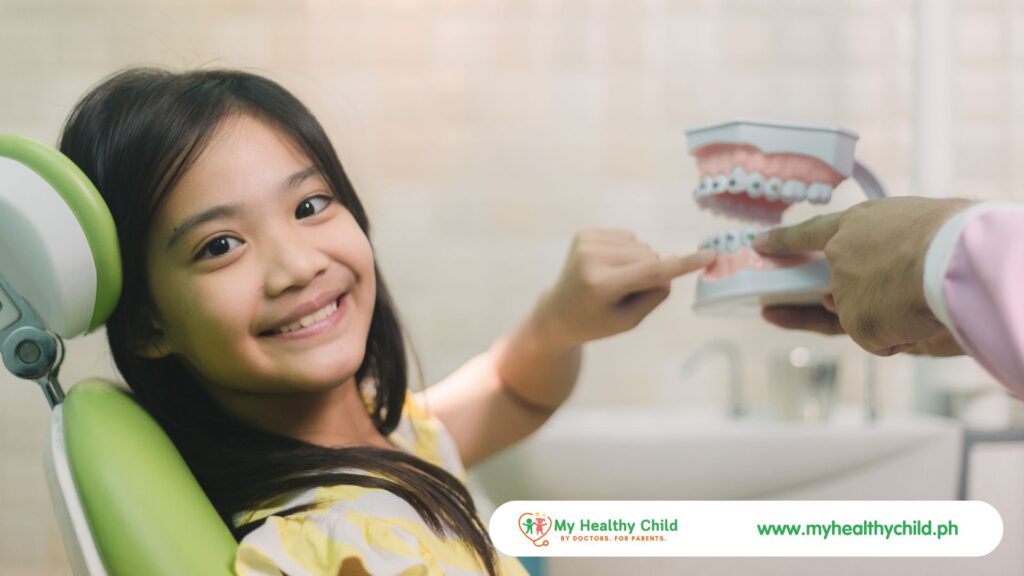
You might not realize it, but tooth decay in babies and toddlers is quite common. One of the most preventable yet often seen issues in pediatric dentistry is Early Childhood Caries (ECC).
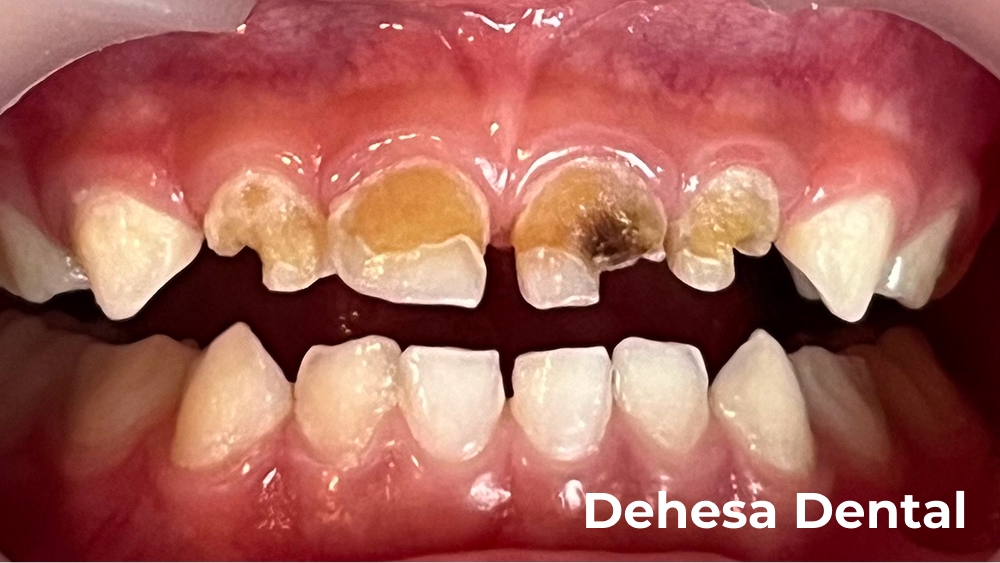
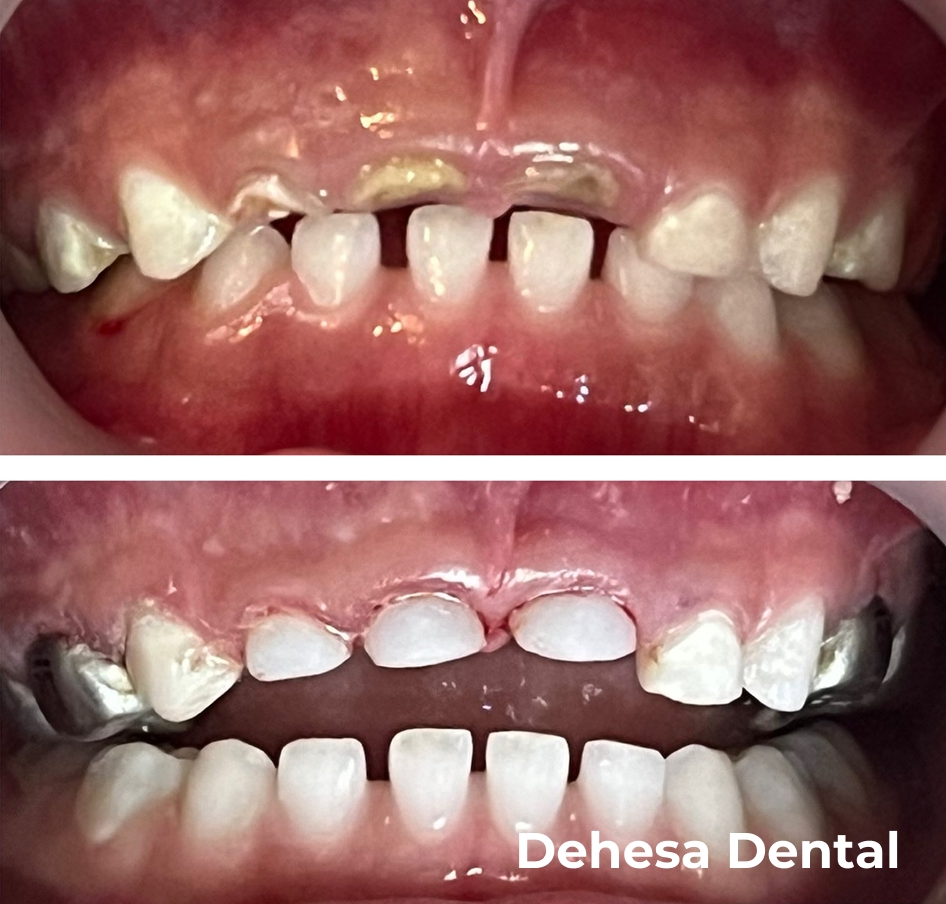
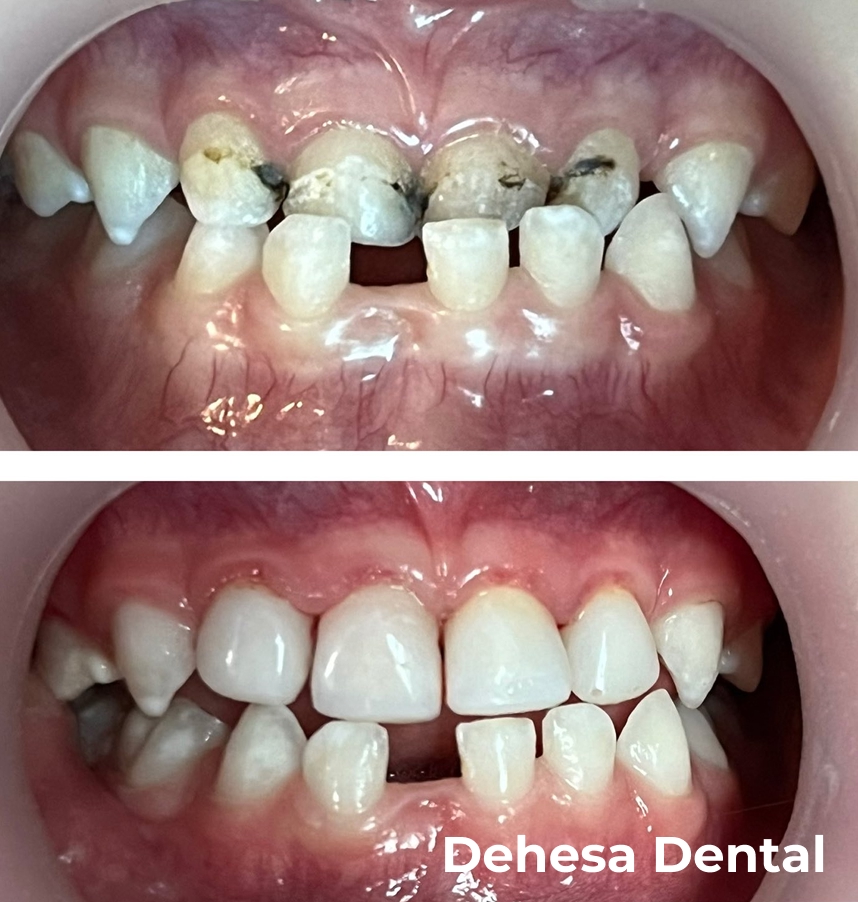
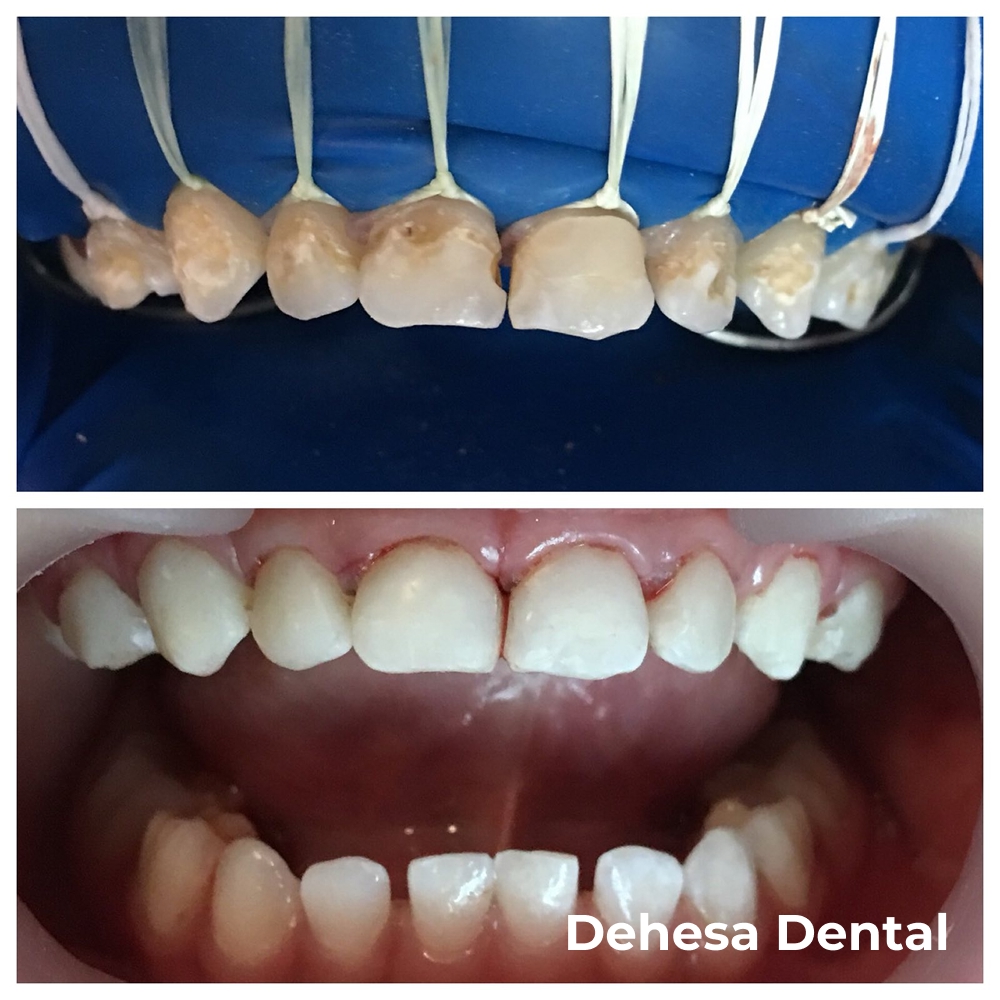
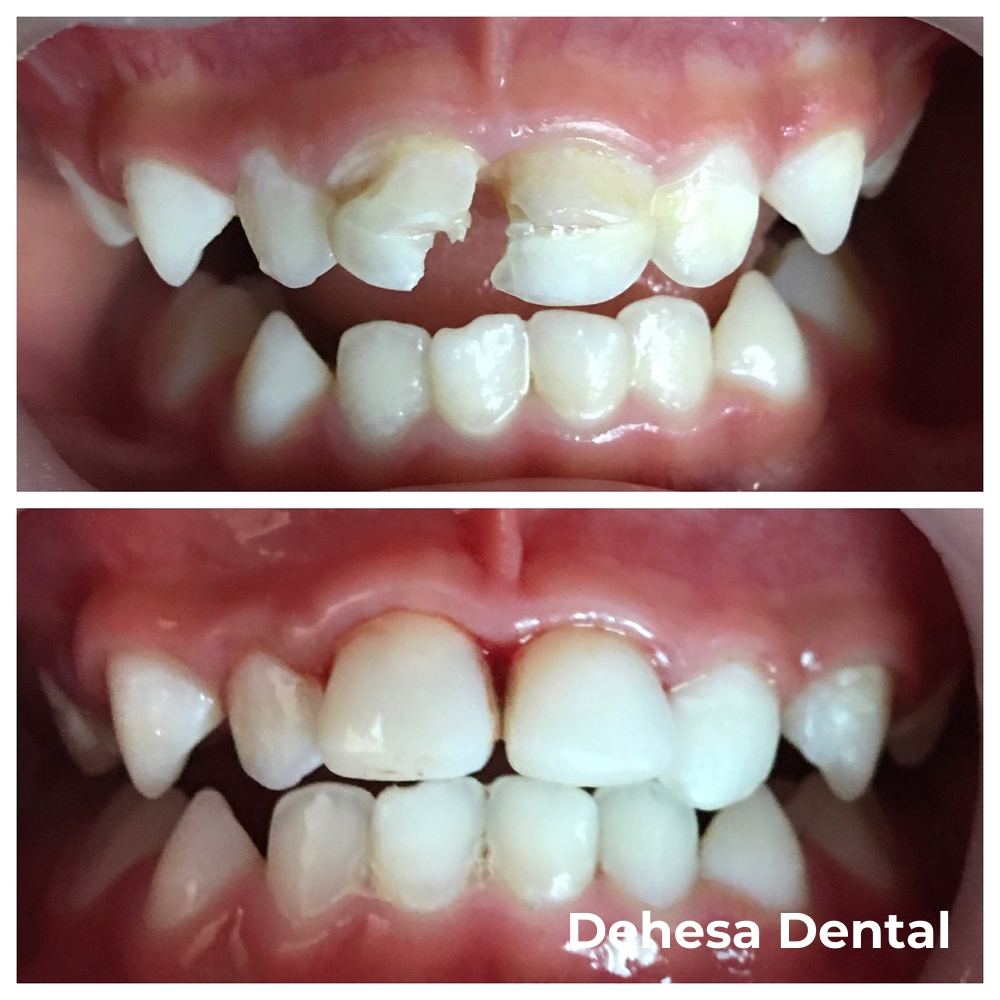
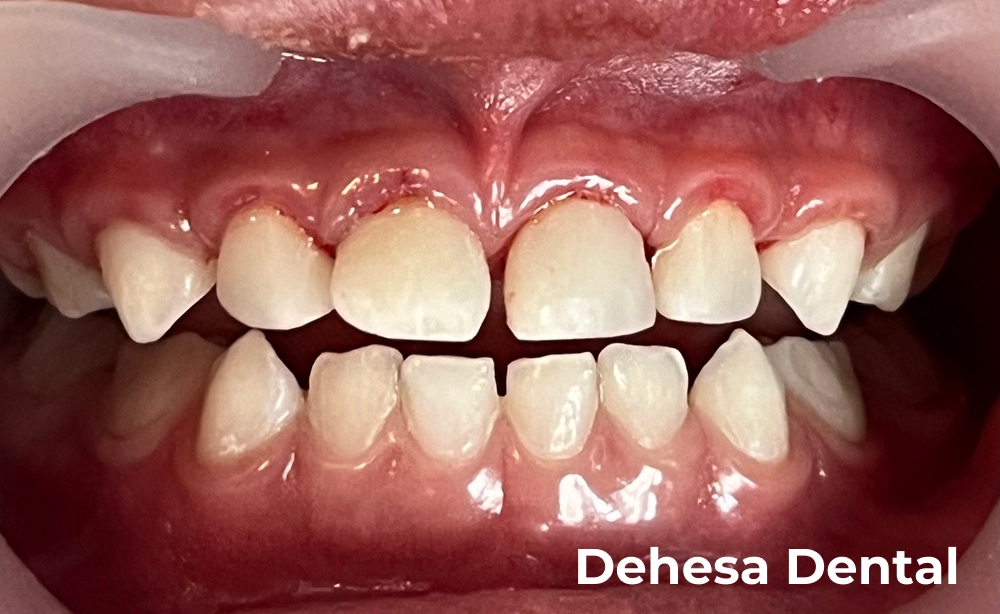
In my practice, I frequently see children who have already experienced significant damage—yellow-brown discoloration on the front teeth, broken enamel, or even severe pain. These images illustrate how quickly this condition can progress, but they also highlight that treatment and restoration are definitely possible.
Let’s simplify this for every parent to understand.
Early Signs Parents Should Watch For
Early childhood caries doesn’t happen overnight. There are warning signs:
- White chalky spots especially along the gumline
- Yellow or brown discoloration that cannot be brushed off
- Teeth that appear worn or chipped
- Bad breath
- Swollen or bleeding gums
By the time teeth look dark or broken, the decay is already advanced.
What Are Bottle Feeding Cavities?
Bottle feeding cavities occur when a child’s teeth are exposed to milk, formula, juice, or sweetened liquids for an extended period of time, especially while sleeping.
When a baby falls asleep with a bottle:
- Liquid pools most commonly around the upper front teeth
- Natural saliva flow decreases during sleep
- Sugars from milk or juice remain on the teeth
- Bacteria feed on these sugars and produce acids
- Acid weakens and breaks down tooth enamel
The result? Rapid decay—often affecting the upper front teeth first, as seen in the early images of the presentation.
Why This Is More Serious Than “Just Baby Teeth”
Some parents wonder:
“They’re just baby teeth. Why fix them? They will be replaced by permanent teeth anyway.”
Here’s why treatment is important:
- Severe decay may lead to infection and pain
- Untreated infections may affect the development of the permanent tooth
- Baby teeth help with proper speech development
- They keep space for permanent teeth and guide the eruption
- They enable proper chewing and nutrition
- Untreated infections may affect a child’s overall health
In these images, we see some serious cases where multiple teeth needed fixing—some even needed full crowns to get them back to normal function.
How We Treat Bottle Feeding Cavities
The treatment depends on how bad it is.
1. Early Stage (White Spots)
- Fluoride therapy
- Improved oral hygiene practices at home – proper brushing and flossing
- Diet advice – lessen or avoid sticky sugary food/snacks and drinks rich in sugar
- More frequent visits to the dentist for proper monitoring
2. Moderate Decay
- Taking out the decay
- Placement of dental restorations (i.e., composite, glass ionomer restorations)
3. Advanced Decay
- Extraction of hopeless or non-restorable teeth
- Putting on strip-off crowns (tooth-colored for front teeth)
- Stainless steel crowns for back teeth with multi-surface caries
- Pulp therapy if the infection has reached the nerve
The “before and after” cases in the images show that even teeth that are really damaged can be beautifully fixed, so kids can smile with confidence again. As much as possible, we always try to save the teeth and choose the most conservative approach.
Prevention: What Parents Can Do Starting Today
The great news is that early childhood caries are easy to avoid!
Here’s how:
✅ Good oral habits start at home. Create a home environment where oral hygiene is prioritized.
✅ Never put a child to bed with a bottle of milk, formula, juice, or anything sweet.
✅ Start cleaning the mouth early even before teeth come in.
- Use a clean gauze or soft cloth to wipe the gums after every feeding.
✅ Start brushing and flossing as soon as the first tooth shows up
- Use age appropriate toothpaste (about the size of a grain of rice for kids under 3).
- Brush two to three times a day.
✅ Limit sugary snacks and drinks to promote healthy diet and prevent incidence of early childhood caries
✅ Make sure to schedule the first dental check-up by age 1.
A Message to Parents
Early Childhood Caries isn’t a sign that you’re not doing a good job. Many loving, attentive parents just don’t know how bottle habits can affect their child’s teeth.
My goal as a dentist is to not only fix decay but also to teach, guide, and help families.
When we act early, we prevent the pain.
When we stop decay, we protect their health.
And when kids can smile freely, they would appreciate the care you have provided.
Final Thoughts
If you see any discoloration, white spots, or changes in your child’s teeth, don’t wait!
Getting a head start on dental care can really help keep things simple and avoid needing more serious treatment later on. Remember, prevention is always better than cure.
From the first tooth to a lifetime of smiles – lets work together to create healthy oral habits from day one!

DIANE DEHESA, DMD
Family Dentist (Advanced training in Pediatrics)
MyHealthyChild Health Educator
Disclaimer:
The information in this article is intended for educational purposes only and does not substitute professional medical advice, diagnosis, or treatment. Always consult your physician, pediatrician, or qualified healthcare provider with any questions you may have regarding a medical condition or health objectives.