
Food for Dengue Patient (Child): Boosting Recovery with the Right Nutrition
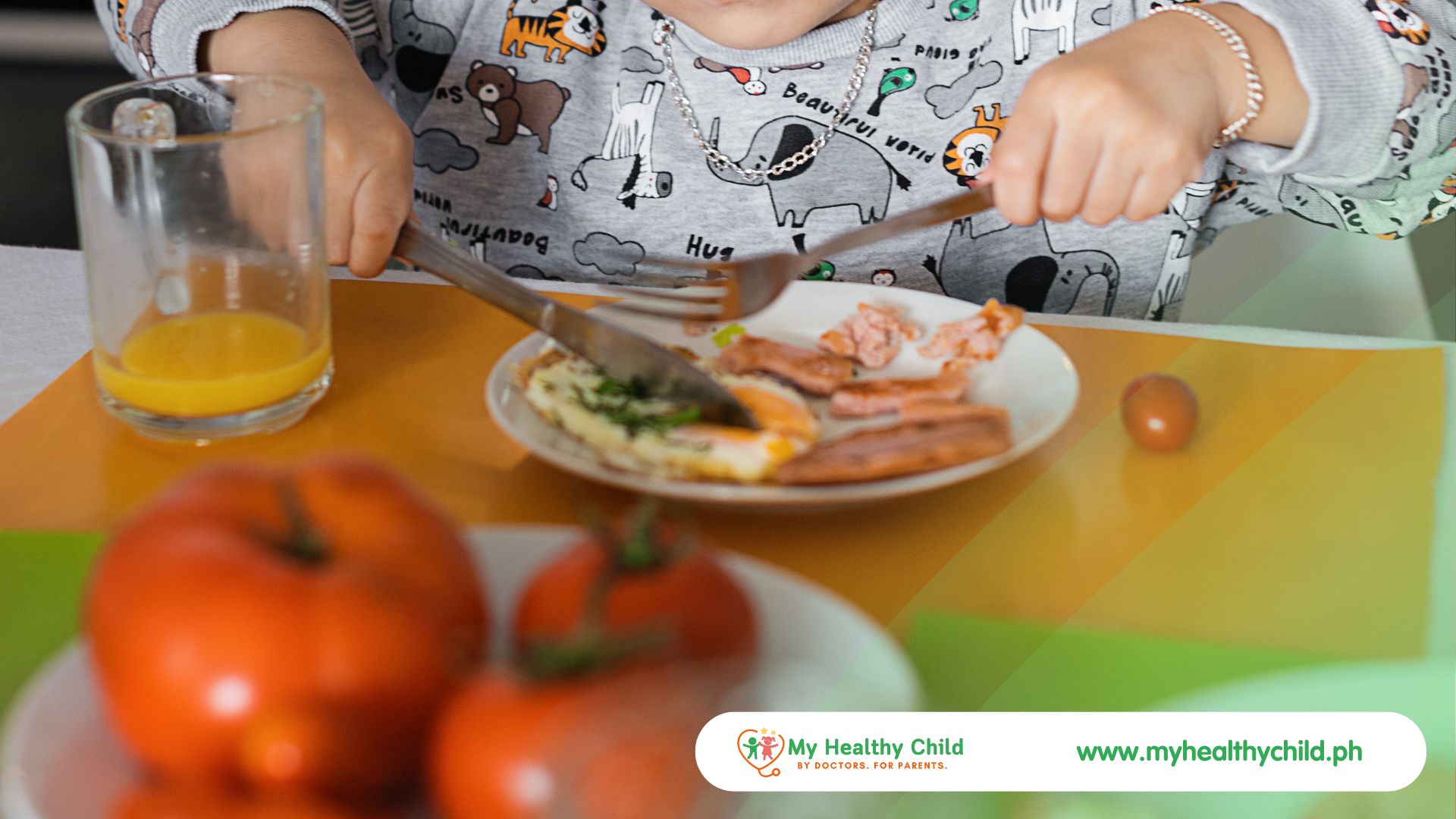
Dengue can be a frightening experience for both children and parents. From sudden high fevers to rashes and extreme fatigue, this mosquito-borne illness hits hard—and recovery can feel like a long road. But did you know that the right food and hydration can play a vital role in helping your child get better faster?
In this guide, we’ll break down what to feed a child with dengue, how to naturally support a rising dengue platelet count, and what lifestyle steps—like exercise for kids—can gently reintroduce strength once recovery is on track. We’ll also touch on ways to avoid complications, including awareness of other rainy-season diseases like leptospirosis.
Why Nutrition Matters During Dengue
When a child is diagnosed with dengue, their immune system is in overdrive. They need rest, fluids, and—most importantly—foods that help fight inflammation, replenish energy, and encourage the body to regenerate cells, including platelets.
Dehydration is also a major concern during dengue. High fevers, vomiting, and lack of appetite make it difficult for kids to stay nourished. That’s why your child’s diet during dengue must be easy to digest, rich in nutrients, and full of immune-boosting benefits.
Key Foods That Help Boost Platelet Count
While there is no miracle food that instantly increases platelet levels, a healthy and strategic meal plan can certainly support your child’s recovery and contribute to a steady dengue platelet count improvement.
Here are top choices for food for dengue patient (child):
Food Group | Examples | Why It Helps |
Fruits (rich in Vitamin C) | Papaya, orange, kiwi, guava | Boosts immunity, supports platelet production |
Leafy Greens | Malunggay, spinach, kangkong | High in antioxidants and iron to aid recovery |
Protein-Rich Foods | Eggs, chicken broth, tofu, soft fish | Helps repair tissues and fight weakness |
Complex Carbs | Lugaw (rice porridge), potatoes, oatmeal | Provides energy without upsetting digestion |
Hydrating Fluids | Coconut water, broth, barley water | Replenishes fluids lost due to fever and vomiting |
Avoid fatty, fried, and spicy foods during recovery, as they may irritate the stomach. Processed sugar, soda, and packaged snacks also offer little nutritional value and should be kept off the table.
Sample Meal Plan for Dengue Recovery
To help parents visualize how to feed their child during recovery, here’s a gentle 1-day sample meal plan:
Breakfast:
- Oatmeal with mashed banana
- Warm ginger tea or water
Morning Snack:
- Slices of papaya or kiwi
- Coconut water
Lunch:
- Chicken arroz caldo with malunggay
- Soft-boiled egg on the side
Afternoon Snack:
- Guava slices or fresh calamansi juice
- Rice crackers
Dinner:
- Steamed fish and mashed potatoes
- Warm soup with vegetables
Before Bed:
- Lukewarm milk or chamomile tea
Hydration tip: Offer fluids every 30–45 minutes, even in small sips. Coconut water and broth are especially helpful.
Watch for Dengue Rashes and Other Symptoms
Aside from fever and low platelet count, dengue rashes are another common symptom. These red spots or patches may appear during the second or third day of illness, and they can be itchy or tender.
While rashes usually fade as the body recovers, it’s crucial to keep your child’s skin cool and avoid irritating soaps or clothing. If rashes worsen or become painful, consult your pediatrician right away.
Also watch for signs of bleeding, stomach pain, or extreme drowsiness—these may be signs of severe dengue, which requires emergency care.
Light Movement and Exercise After Dengue
After the fever subsides and your doctor gives the green light, light exercise for kids can help the body regain strength and return to routine. But this should be done slowly.
Start with gentle activities like:
- Short indoor walks
- Simple stretching
- Drawing or sitting activities with light arm/hand movement
Avoid strenuous activity, sports, or prolonged sun exposure for at least 1–2 weeks post-recovery. Your child’s immune system is still catching up.
Rainy Season Health Reminder: What is Leptospirosis?
As you care for your child with dengue, be aware of other illnesses that spike during the rainy season—especially leptospirosis.
What is leptospirosis?
It’s a bacterial infection caused by exposure to floodwater or soil contaminated by animal urine. Children are particularly vulnerable if they play or walk through puddles or muddy areas without protective footwear.
Symptoms may include high fever, muscle pain, red eyes, and vomiting—similar to dengue, which makes early diagnosis tricky. If your child has recently been exposed to floodwater and shows symptoms, consult your doctor for testing and antibiotics.
The MyHealthyChild Takeaway: Healing Through Care, One Meal at a Time
Feeding your child during dengue may feel overwhelming, but each thoughtful meal, each cup of fluid, and each caring moment makes a difference. Nutrition is one of your strongest allies in helping your little one bounce back stronger and healthier.
And don’t forget: caring for a child recovering from illness is about more than just food. It’s about comfort, safety, and knowing you’re not alone in the journey. You’re doing an amazing job, and MyHealthyChild is here to support you every step of the way.
Let’s raise strong, resilient kids—one plate, one sip, and one hug at a time.
Disclaimer:
The information in this article is intended for educational purposes only and does not substitute professional medical advice, diagnosis, or treatment. Always consult your physician, pediatrician, or qualified healthcare provider with any questions you may have regarding a medical condition or health objectives.