
How to Keep Your Child Healthy During the Rainy Season

The rainy season in the Philippines brings much-needed relief from the heat—but for parents, it also signals a time to be extra vigilant. Floods, stagnant water, humidity, and cooler temperatures create the perfect storm for viral infections to spread. From colds and coughs to more serious threats like dengue and leptospirosis, the risks multiply fast.
This guide walks you through how the rainy season can affect your child’s health, development, and daily routine—whether they’re a newborn or in middle school age. Most importantly, it offers practical ways to protect them from illness while keeping their growth milestones on track.
Why the Rainy Season Poses Higher Risks to Children
During the rainy season, children are exposed to damp environments, reduced sun exposure, and a surge in waterborne and airborne diseases. Muddy school grounds, wet shoes, and lack of physical activity all contribute to weakened immunity and developmental slowdowns.
Some of the common kinds of virus (child’s health) that thrive during this season include:
- Influenza
- Respiratory syncytial virus (RSV)
- Hand, foot, and mouth disease (HFMD)
- Rotavirus
- Dengue fever
These viruses can affect children differently depending on their age and stage of development. That’s why a tailored approach is crucial.
For Babies: Protecting Health During the Infancy Stage
Infants in the infancy stage, especially those younger than six months, are at high risk during the rainy season. Their immune systems are still developing, and they rely heavily on their environment and caregivers for protection.
Key precautions for infants:
- Keep the indoor environment dry and clean; use air purifiers or dehumidifiers to prevent mold.
- Limit outings during heavy rain or floods to avoid airborne and mosquito-borne illnesses.
- Continue breastfeeding, if possible, to boost the infant’s natural defenses.
When your baby reaches the 3 month developmental milestone, they should begin tracking objects, cooing, and pushing up slightly during tummy time. A fever, stuffy nose, or gastrointestinal illness caused by viruses can set these milestones back temporarily. Be alert to any regression and consult a pediatrician when in doubt.
For Toddlers and Preschoolers: Balancing Activity and Safety
For young children eager to explore, rainy days often mean staying indoors—leading to boredom, screen time overload, and less physical activity. This can result in frustration, mood swings, and even sleep disruption.
Ways to support their well-being during the rainy season:
- Create indoor play routines that encourage physical movement and creativity.
- Ensure they wear proper rain gear—especially boots—to avoid exposure to floodwater.
- Keep their immunizations up to date, particularly for flu and rotavirus.
- Watch for symptoms like rashes or sudden fever, which may signal dengue or other infections.
The rainy season also limits sun exposure, leading to lower Vitamin D levels. Encourage 15–20 minutes of safe outdoor play when weather permits, or consult your doctor about supplementation.
For School-Aged Children: Health and Hygiene for Middle School Age
Children in middle school age (roughly 10–13 years old) face a unique set of challenges during the rainy season. They spend more time at school or in group settings where illnesses can spread rapidly. They also experience more stress due to academics and social pressures, which can lower immune response.
Tips for middle schoolers:
- Teach them to wash hands thoroughly and frequently, especially before eating and after using shared school equipment.
- Encourage them to dry their feet and change out of wet clothes as soon as they get home.
- Help them pack clean, nutritious lunches that boost immunity.
- Discuss how to recognize and communicate symptoms like body aches, fatigue, or unusual rashes early on.
It’s also important to help them manage stress. The rainy season can disrupt routines, lead to more indoor confinement, and affect their mood. Maintaining open communication and ensuring enough physical activity—even indoors—can prevent illness and support emotional health.
Supporting Milestones During the Rainy Season
Even though the focus is often on preventing sickness, the rainy season can also delay or complicate development if illnesses interrupt learning and movement routines. This includes everything from the 3 month developmental milestone in infants to cognitive and emotional growth in older kids.
Here’s how to keep development on track, even when it’s storming outside:
- Create flexible routines that allow for play, learning, and rest indoors.
- Stimulate social interaction through family games, storytelling, and video calls with peers.
- Monitor for early signs of illness that may not be obvious (e.g., lethargy, irritability, or appetite changes).
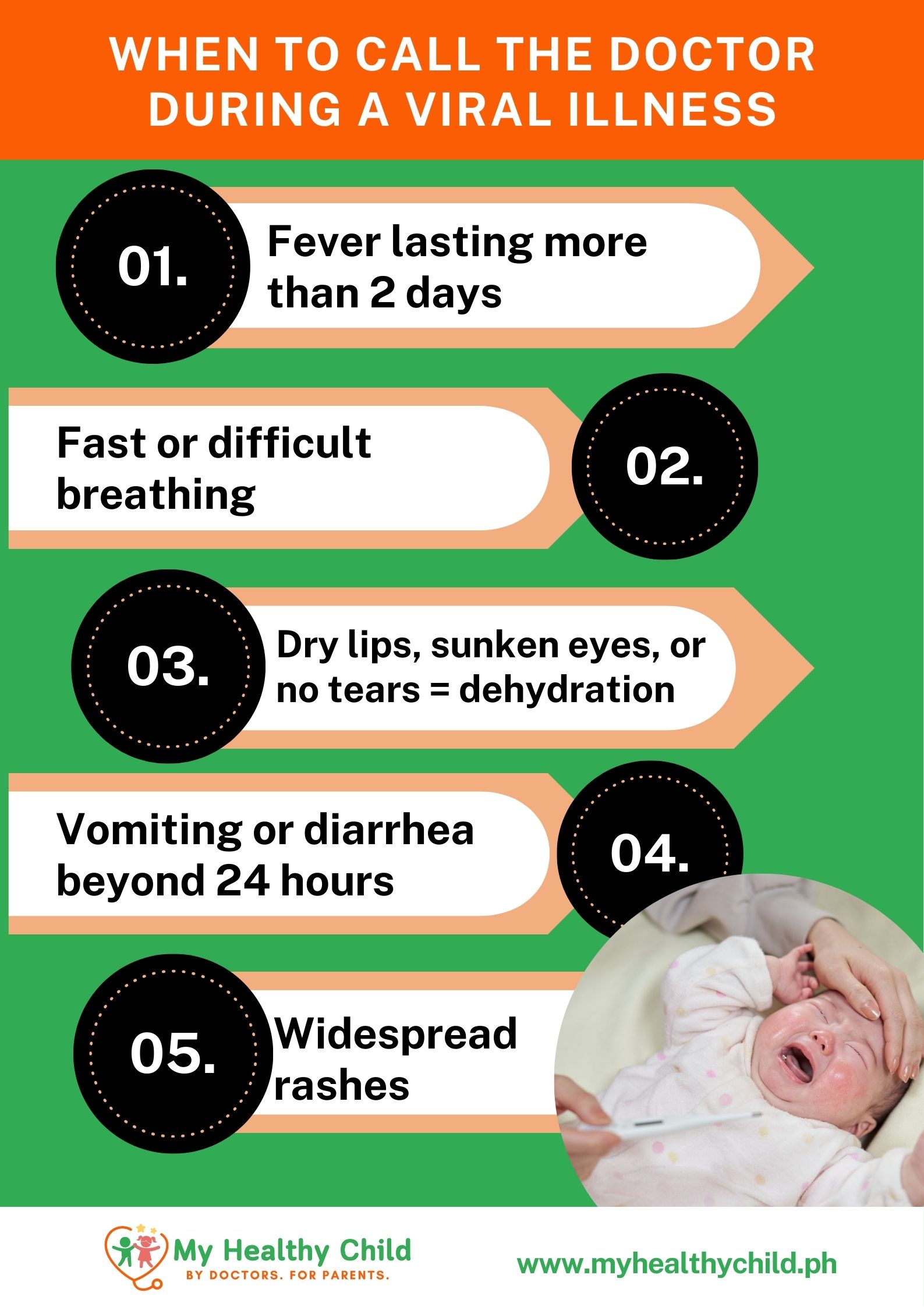
When to Call the Doctor
While many kinds of virus (child’s health) during the rainy season are mild, there are red flags that should not be ignored:
- High fever that lasts more than 2 days
- Difficulty breathing
- Rashes that spread quickly
- Diarrhea or vomiting lasting over 24 hours
- Signs of dehydration (dry lips, sunken eyes, no tears when crying)
If your child falls into the infancy stage, prompt medical attention is even more critical, especially if they haven’t completed their core vaccinations.
MHC’s Rainy Season Game Plan for Every Age
To wrap up, here’s a quick reference to help protect your child through every stage of growth:
Age Group | Top Risks | MyHealthyChild Tip |
Infants (0–6 months) | Fever, colds, leptospirosis | Sanitize home, keep warm, avoid flood exposure |
3 Months | Regression in milestones | Monitor progress, maintain feeding routines |
Preschool (2–5 years) | Hand, foot, and mouth, rotavirus | Keep hands clean, promote indoor play |
Middle School Age | Flu, dengue, mood swings | Teach hygiene habits and boost emotional support |
Your Dry-Season Prep Starts Now
Don’t wait for thunder to strike—prepare now. Stock up on essentials, revisit hygiene habits, and set routines that keep your kids active, engaged, and resilient. The rainy season may bring its share of health challenges, but with a proactive mindset and support from trusted resources like MyHealthyChild, you and your family can weather any storm.
Disclaimer:
The information in this article is intended for educational purposes only and does not substitute professional medical advice, diagnosis, or treatment. Always consult your physician, pediatrician, or qualified healthcare provider with any questions you may have regarding a medical condition or health objectives.