
Helping Your Toddler Sleep Better When They’re Sick
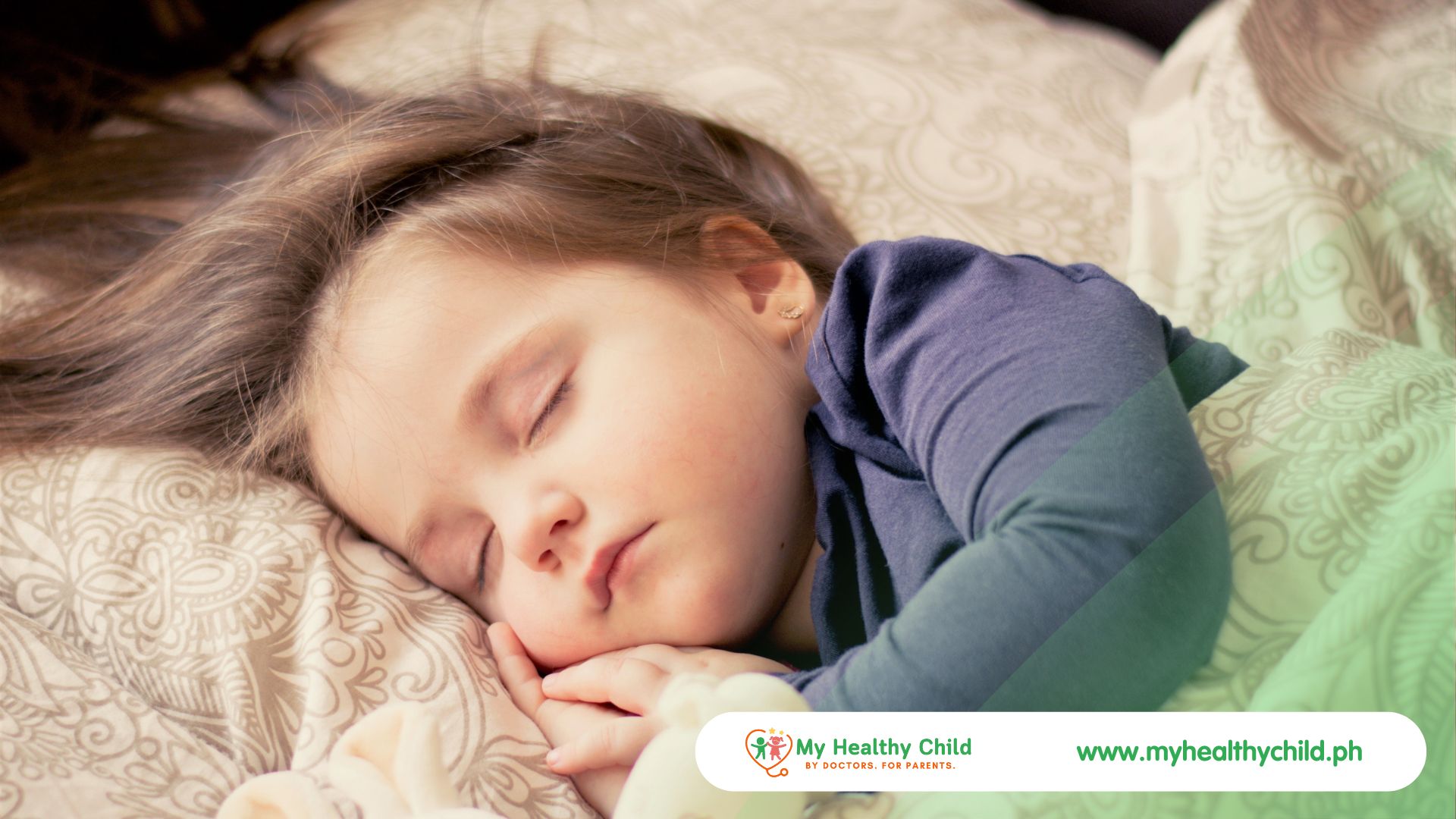
It’s bedtime, and your toddler’s nose is stuffy, their cheeks are warm, and sleep feels like a faraway dream—for both of you. Sick days are tough, but sick nights? A whole different level.
If you’re googling how to make my baby sleep better while sick, you’re not alone. We’ve all had those restless nights of nose wipes, fever checks, and rocking back and forth hoping they’ll doze off.
Here’s how to give your little one comfort, calm, and better rest—even on the roughest nights.
Why Sleep Feels Impossible When They’re Sick
Even mild illness can throw sleep routines out the window. Whether it’s a cold, a fever, or just general discomfort, your toddler’s body is working overtime. Add congestion, body aches, and fussiness to the mix, and it’s no surprise their sleep gets disrupted.
But quality sleep actually helps them recover faster—so let’s explore real, gentle, effective ways to soothe them at night.
1. Use a Cool-Mist Humidifier
A dry room only makes nasal congestion relief harder. A cool-mist humidifier adds moisture to the air, helping loosen mucus and ease breathing—especially if your toddler has a stuffy nose or cough.
Pro tip: Clean the humidifier daily to prevent mold or bacteria buildup.
2. Try Saline Drops + Gentle Suction
A few drops of sterile saline spray in each nostril, followed by gentle suction with a bulb syringe or nasal aspirator, can work wonders. It’s one of the best tricks for nasal congestion relief without medication.
Clear nostrils = easier breathing = better sleep.
3. Keep Their Sleep Routine (As Much As You Can)
When kids are sick, it’s tempting to throw everything out the window. But sleep routines actually help their bodies recognize it’s time to rest.
Try to maintain your usual bedtime rituals:
- Warm bath
- Pajamas
- Story time or lullaby
- Dim lights
These comforting cues signal safety and sleep—even when they’re not feeling 100%.
4. Add Extra Comfort at Night
When your toddler is sick, they may wake up more frequently and need reassurance. Don’t worry about “spoiling” them—it’s okay to offer extra cuddles or rock them back to sleep.
If your toddler usually sleeps in their own room, consider temporarily allowing safe co-sleeping if it helps them feel secure.
Cuddles, gentle touch, and closeness matter. Emotional comfort = physical healing.
5. Address Fever at Bedtime
If your child has a low-grade fever at night, talk to your pediatrician about appropriate fever-reducing medicine. Use lightweight pajamas and keep the room comfortably cool (not cold).
Avoid bundling them too much—this can trap heat and raise the fever.
And remember: If the fever goes above 100.4°F for toddlers under 3, or lasts more than 2 days, it’s time to call the doctor.
6. Keep Their Head Slightly Elevated
Propping your toddler’s mattress (not pillows under the head!) slightly can help reduce nasal drip and coughing. This can be a game-changer when congestion is causing frequent wake-ups.
You can use a rolled towel under the crib mattress or a slight incline in their sleep space—just make sure it’s safe and secure.
7. Create a Calm, Quiet Sleep Space
Your child’s room should feel like a healing cave at night. To help with comfort at night:
- Dim lighting or a soft night light
- White noise machine or a fan
- No screens at least an hour before bedtime
- Avoiding sugar-filled snacks or juices before bed
8. Offer Fluids Before Bed (But Not Too Much)
A little warm water or milk before bed keeps them hydrated—especially helpful during fever or mild illness. But avoid overfilling their tummy, which can trigger nighttime discomfort or accidents.
9. Watch for Warning Signs
Sometimes, poor sleep isn’t just about discomfort—it could signal something more serious.
Call your pediatrician if your toddler:
- Struggles to breathe, even while upright
- Has a fever that spikes at night
- Shows signs of dehydration (dry lips, few wet diapers)
- Is unusually lethargic or hard to wake
So… How to Make My Baby Sleep While Sick?
In a nutshell:
- Keep routines familiar
- Clear those little noses
- Offer closeness and extra comfort
- Use calming tools like humidifiers and white noise
- Monitor for any warning signs
It’s not always perfect—but every small step counts. Sick nights are temporary, but the comfort and safety you give your child? That’s long-term love in action. ❤️
MyHealthyChild: Sleep Smarter, Not Harder
At MyHealthyChild, we’re here to help you through every nap battle, sleepless night, and sick day snuggle. Whether you’re wondering how to make my baby sleep better or just need tips on comfort at night, we’ve got you covered.
✅ Pediatric-backed sleep support
✅ Real advice for Filipino families
✅ Always gentle, always practical
Visit MyHealthyChild — because sleep is healing, and comfort is powerful.
Disclaimer:
The information in this article is intended for educational purposes only and does not substitute professional medical advice, diagnosis, or treatment. Always consult your physician, pediatrician, or qualified healthcare provider with any questions you may have regarding a medical condition or health objectives.