
How to Support Your Toddler Emotionally After a Scary Event
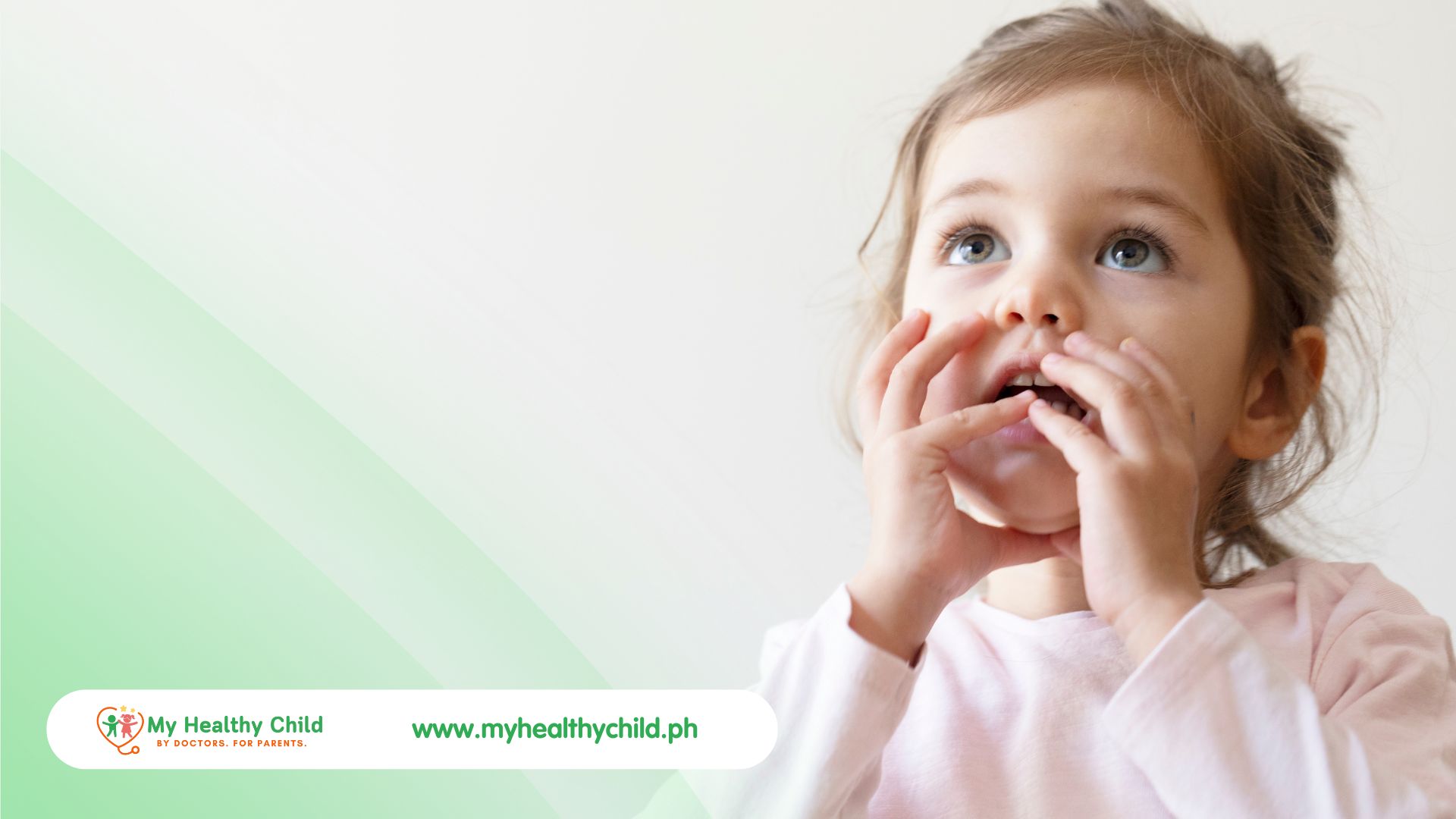
Maybe it was a loud storm.
Or a trip to the hospital.
Maybe it was something they couldn’t explain, but you noticed the change—your once playful toddler now clings to you more, cries unexpectedly, or wakes up screaming.
Helping your child bounce back emotionally after a frightening experience is no small task—but it’s one of the most important things you’ll ever do for their growth.
Here’s how to gently nurture the socio emotional development of infants and toddlers—especially after something scary shakes their little world.
Toddlers Feel Deeply (Even If They Can’t Say It)
At this stage, children may not have the words to say, “I’m scared,” or “I keep thinking about what happened.” Instead, emotions come out through:
- Tantrums or clinginess
- Changes in appetite or sleep
- Sudden fear of places or people
- Regression (like wanting a pacifier again or baby talk)
These may be subtle, but they’re real signs your child is processing something stressful. And it’s a normal part of the socio emotional development of infants and toddlers.
Trauma Signs to Watch For
Sometimes toddlers bounce back quickly. Other times, the effects of fear or trauma stick around.
Look out for:
- Nightmares or night terrors
- Avoiding certain places or people
- Increased separation anxiety
- Aggression or acting out
- Loss of skills (like potty training or speaking)
If these trauma signs last for more than a few weeks or seem to worsen, it may be time to seek professional help from a pediatric psychologist or developmental specialist.
How to Comfort and Reassure Your Toddler
Supporting emotional recovery doesn’t mean having the perfect words. It means showing up with patience, love, and a few proven comfort techniques.
1. Stick to Familiar Routines
Routine = safety for toddlers. Keep bedtime, meals, and playtime predictable, even if their emotions feel unpredictable right now.
2. Be Their Calm Anchor
Your child watches how you react. A calm tone, relaxed body language, and confident presence help them feel grounded again—even during big emotions.
3. Offer Physical Comfort
Hugs. Rocking. Gentle back rubs. Touch is one of the most powerful comfort techniques you can use, especially if your toddler can’t fully express what they’re feeling yet.
4. Create a Safe Space to Talk
Even if your toddler’s vocabulary is limited, they can still express fear. Use phrases like:
- “That was really loud, huh?”
- “You felt scared. I’m here now.”
- “Do you want to tell me what made you cry?”
Talking to toddlers about fear helps them make sense of what happened—and reassures them that you’re not afraid to hear it.
Play Is Powerful, Too
One of the best tools in supporting socio emotional development of infants and toddlers is play. Let your child act things out with dolls, drawings, or pretend games.
It’s not just fun—it’s how they process emotions safely.
A toddler pretending to “rescue” a doll or hide under a pillow might be reenacting what they’ve seen or felt. Gently observe and support without judgment.
When to Seek Professional Help
If your child:
- Stops eating or sleeping well
- Withdraws or becomes unusually aggressive
- Talks or plays about fear constantly
- Shows trauma signs beyond 2–4 weeks
…it may be time to consult a child psychologist. There’s no shame in it—just strength in knowing your child deserves tools that can help them heal.
Most importantly, professionals can support both you and your toddler, so you’re not carrying the emotional load alone.
Final Thoughts: Helping Your Toddler Feel Safe Again
Toddlers are resilient—but they’re also incredibly sensitive. After something scary, their world can feel confusing and unsafe.
By creating space to talk, staying close, and holding steady with routines and comfort techniques, you’re doing more than just helping them feel better.
You’re laying the foundation for lifelong emotional resilience.
The socio emotional development of infants and toddlers isn’t always visible—but it’s deeply shaped by moments like these. Your love, patience, and presence are the real healing tools.
MyHealthyChild: Support for Parents, Strength for Kids
At MyHealthyChild, we guide you through every stage of emotional growth—especially after big, scary moments. Whether it’s talking to toddlers, managing trauma signs, or knowing when to get professional help, we’ve got your back.
✅ Gentle parenting tools that actually work
✅ Expert advice with heart
✅ Always written for real Filipino families
Visit MyHealthyChild — because the best way to raise strong kids is to support their hearts, not just their bodies.

Disclaimer:
The information in this article is intended for educational purposes only and does not substitute professional medical advice, diagnosis, or treatment. Always consult your physician, pediatrician, or qualified healthcare provider with any questions you may have regarding a medical condition or health objectives.