
When Should I Worry About My Child’s Diarrhea?
Understand the causes—from infection to food triggers—and how to safely manage hydration, nutrition, and recovery.
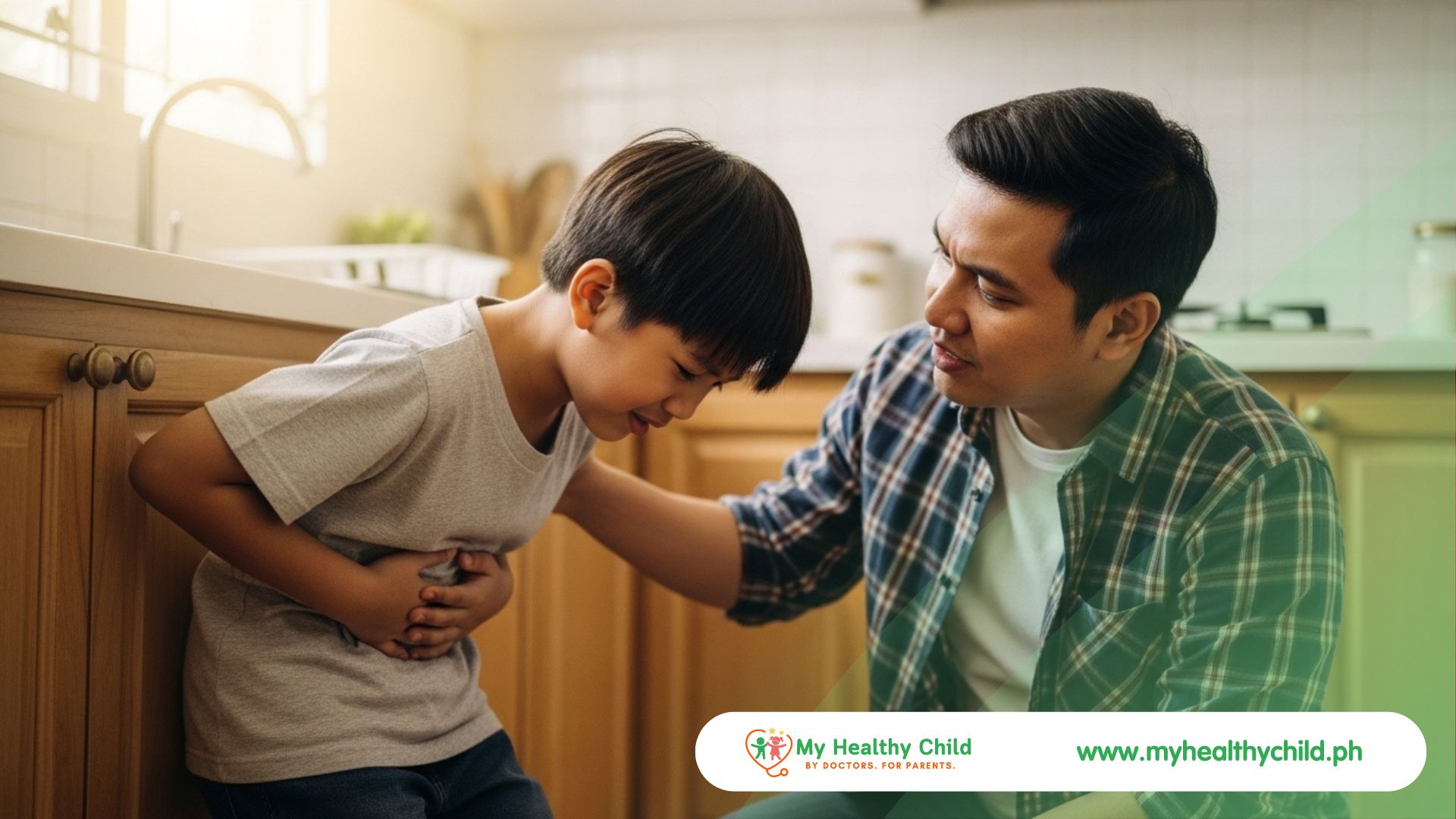
There’s nothing that throws a wrench into your day quite like diarrhea—especially when it’s your child. Whether it’s one messy diaper after another or urgent trips to the bathroom, diarrhea can be uncomfortable for kids and stressful for parents.
But here’s the good news: most cases of diarrhea in children are mild and short-lived. Still, there are moments when it deserves more attention. Let’s walk through when to worry, what to do, and how to keep your child safely on the mend.
First: What Is Diarrhea, Really?
Diarrhea is when your child has loose or watery stools three or more times in a day. It’s usually caused by:
- A virus (like rotavirus or norovirus)
- Food that upset their stomach
- Antibiotics or certain medications
- A mild bacterial or parasitic infection
- Food allergies or intolerances
- Underlying digestive issues (like IBS or celiac disease)
Sometimes, it’s just a one-day thing. Other times, it lingers or gets more severe—and that’s when we need to pay closer attention.
What’s the Most Common Cause?
For kids ages 1 to 12, the most common cause of diarrhea is a viral gastroenteritis (aka “stomach flu”). These viruses usually spread through hand-to-mouth contact—often after school, daycare, or playground time.
Most kids bounce back within a few days with proper care.
When Should I Call the Doctor?
Call your pediatrician or get medical help if your child has:
- Diarrhea lasting more than 2–3 days
- Bloody or black stools
- A high fever (over 102°F / 38.9°C)
- Signs of dehydration (dry lips, no tears when crying, sunken eyes, peeing less)
- Severe stomach pain or constant cramping
- Persistent vomiting
- Lethargy or unusual drowsiness
For babies under 6 months, diarrhea can become dangerous very quickly—call your doctor right away.
The #1 Goal: Prevent Dehydration
Dehydration is the biggest risk when your child has diarrhea. Kids lose a lot of fluids and important electrolytes like sodium and potassium.
Signs of Dehydration:
- Dry lips or mouth
- No tears when crying
- Not urinating as often (fewer wet diapers)
- Very dark yellow pee
- Lethargy or dizziness
How to Keep Them Hydrated:
- Offer small, frequent sips of clear fluids: water, broth, or an oral rehydration solution like Pedialyte
- Avoid sugary drinks like soda or fruit juices—they can make diarrhea worse
- Breastfeeding? Continue feeding as usual
- For formula-fed babies, stick to their normal formula unless told otherwise by a doctor
What Can They Eat (and Avoid)?
Good food choices during recovery:
- Plain toast or crackers
- Rice, bananas, applesauce (hello, BRAT diet!)
- Mashed potatoes or plain pasta
- Plain oatmeal
- Boiled carrots or peeled apples
Avoid for now:
- Greasy or fried foods
- Dairy (especially if it worsens symptoms)
- Sweets or sugary snacks
- Spicy or heavily seasoned meals
Once your child starts feeling better, you can gradually return to regular meals.
What If They Keep Throwing Up Too?
If diarrhea comes with vomiting, wait 30–60 minutes after they’ve thrown up before offering fluids again. Start with just a spoonful or small sip every few minutes. The goal is to keep things down, not rush to rehydrate all at once.
If your child vomits every time they drink fluids or hasn’t kept anything down in over 8 hours, call your doctor.
Can I Prevent It?
While not all cases are preventable, here are some smart steps:
- Teach regular handwashing—especially after bathroom use and before meals Wash fruits and vegetables well
- Avoid raw or undercooked meat
- Keep bathrooms clean and sanitized
- Stay up to date on rotavirus vaccines for infants
In Summary
Diarrhea is usually just a temporary bump in your child’s health journey. It’s uncomfortable, yes—but most cases can be managed at home with hydration, rest, and simple meals.
Watch for red flags
Call your pediatrician when in doubt
Hydrate, hydrate, hydrate
And give yourself a break—it’s messy, but you’re doing great.
Note:
This article was medically reviewed and written in collaboration with doctors and medical professionals committed to providing pediatric health education.
References:
https://www.healthychildren.org/English/health-issues/conditions/abdominal/Pages/Diarrhea.aspx
https://www.cdc.gov/healthywater/hygiene/disease/diarrhea.html

Disclaimer:
The information in this article is intended for educational purposes only and does not substitute professional medical advice, diagnosis, or treatment. Always consult your physician, pediatrician, or qualified healthcare provider with any questions you may have regarding a medical condition or health objectives.