
What Should My Child Be Eating at This Age?
Real talk for parents of kids aged 4 to 12: What balanced nutrition really looks like—and how to make it doable
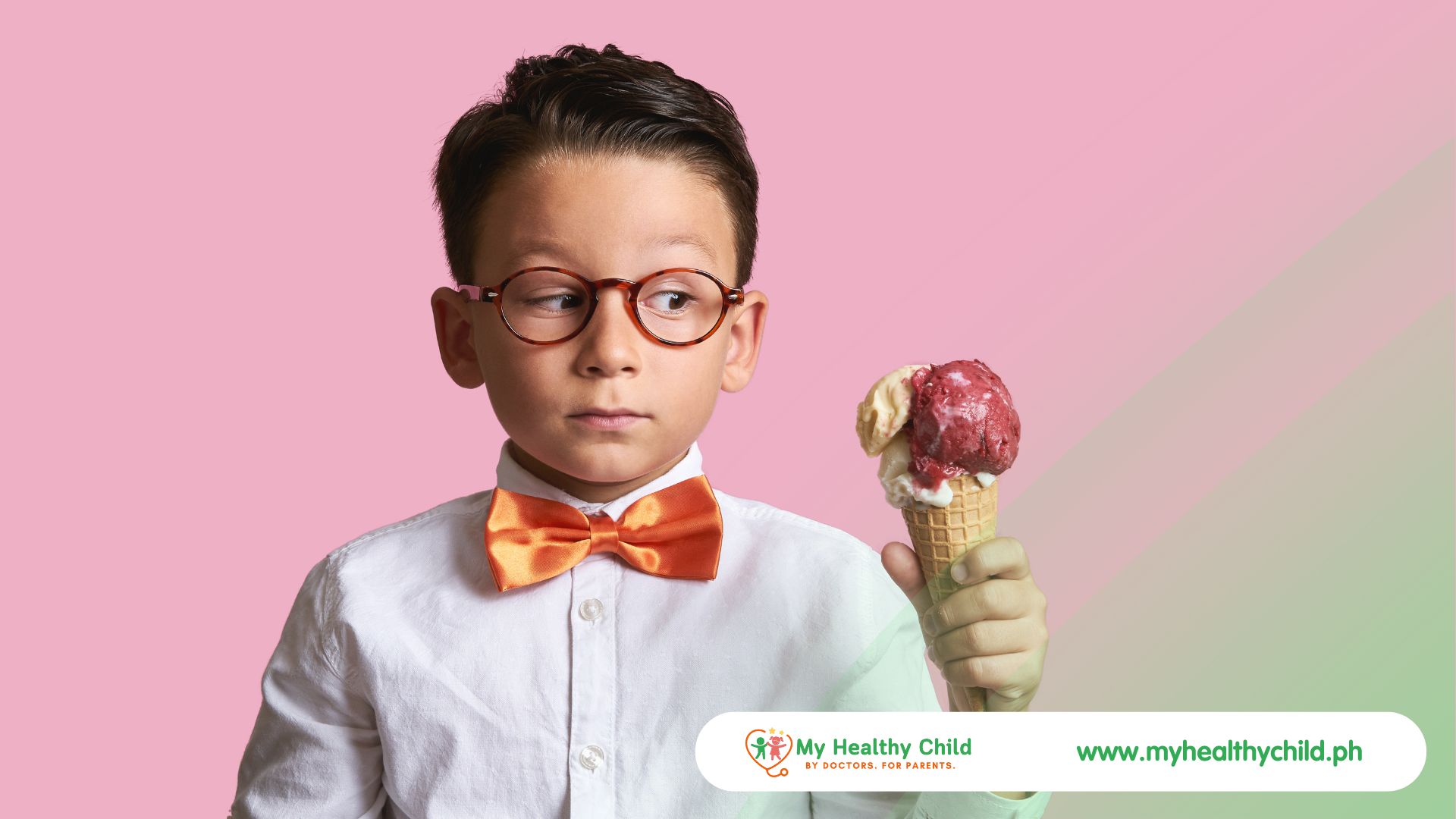
Feeding kids is supposed to be simple, right?
But between picky eaters, school lunchboxes, TikTok snack trends, and a fridge full of half eaten leftovers, many parents find themselves wondering:
“Am I even feeding my child right?”
Take a deep breath—we’ve got your back.
Here’s a fun, clear, and doable guide to what kids aged 4 to 12 should be eating to stay healthy, energized, and growing strong.
Why Age 4 to 12 Is So Important
This age range is prime time for growth—not just in height and shoe size, but in brain development, immunity, muscle building, and emotional regulation. Food isn’t just fuel—it’s construction material for the body and brain.
So the goal?
- Give your child the right mix of nutrients
- Build healthy habits early
- Keep it stress-free and realistic
So What Should a Healthy Day Look Like?
Let’s break it down by food groups (and skip the calorie math).
- Carbohydrates = Energy
- Think: rice, bread, oats, pasta, root crops
- Kids need complex carbs for fuel—especially before school or play
Keep it real: Choose whole grains when you can. Don’t stress over white rice—balance it with fiber-rich veggies.
- Protein = Growth Power
- Think: chicken, eggs, fish, beef, tofu, legumes, cheese, milk
- Needed for growing muscles, brain cells, skin, nails—everything!
Kid tip: Turn eggs into pancakes. Try “funny face” sandwiches. Sneak lentils into soup.
- Fruits & Vegetables = Vitamins & Fiber
- Boosts immunity, digestion, skin, eyesight, and mood
- Aim for a rainbow of colors on the plate
Hack: Cut fruits into fun shapes. Blend greens into smoothies. Let kids help pick at the grocery!
- Healthy Fats = Brain Fuel
- Think: avocado, peanut butter, olive oil, fish like salmon
- Supports brain development and keeps kids full longer
Smart swap: Replace junk snacks with trail mix or whole grain toast + avocado.
- Water = Everything
- Keeps digestion smooth, prevents fatigue, boosts concentration
- Kids don’t always recognize thirst—remind them often
Trick: Use a cool water bottle. Add fruit slices. Make it a game—“race to finish your glass!”
How Much Is Enough? (Simple Serving Guide)
Use the “hand-size” rule for quick portion checks:
- Protein = size of your child’s palm
- Carbs = size of their fist
- Veggies = 2 open handfuls
- Fats = size of thumb
- Fruits = cupped hand
Kids don’t need adult-sized meals—they need nutrient-packed plates built for their size.
What to Limit (Not Ban)
- Sugary drinks (juice, soda)
- Ultra-processed snacks (chips, candy, colored cereals)
- Fried foods and fast food (occasional treats are OK!)
Mindset shift: Instead of banning “bad foods,” focus on crowding the plate with good ones.
Making It Doable at Home (Even When You’re Tired)
- Meal prep light: Cook extra rice, chicken, or veggies for use later in the week
- Batch snacks: Make trail mix, hard-boiled eggs, or yogurt parfaits ahead
- Family meals: Eat together whenever you can. Kids learn healthy habits by watching YOU
- Let them help: Kids are more likely to eat what they helped make
- Avoid “clean your plate” pressure: Let them listen to their fullness cues
When to Talk to a Pediatrician or Nutritionist
- If your child is consistently underweight or overweight
- If they have severe food aversions or a very limited diet
- If you’re worried about energy, sleep, or digestion
- If they’re always tired, moody, or falling behind developmentally
In Summary:
Feeding your child doesn’t have to be perfect—it just needs to be purposeful. Focus on variety, balance, and making food fun and doable for your family.
Healthy eating isn’t just about today—it’s a gift you give their future self.
Stay tuned for more real-life nutrition guidance at MyHealthyChild—where good health meets good parenting.
Note:
This article was medically reviewed and written in collaboration with doctors and medical professionals committed to providing pediatric health education.
References:
https://www.myplate.gov/life-stages/toddlers
https://www.cdc.gov/nutrition/features/good-nutrition-starts-early.html

Disclaimer:
The information in this article is intended for educational purposes only and does not substitute professional medical advice, diagnosis, or treatment. Always consult your physician, pediatrician, or qualified healthcare provider with any questions you may have regarding a medical condition or health objectives.