
What Should I Expect After a C-Section?
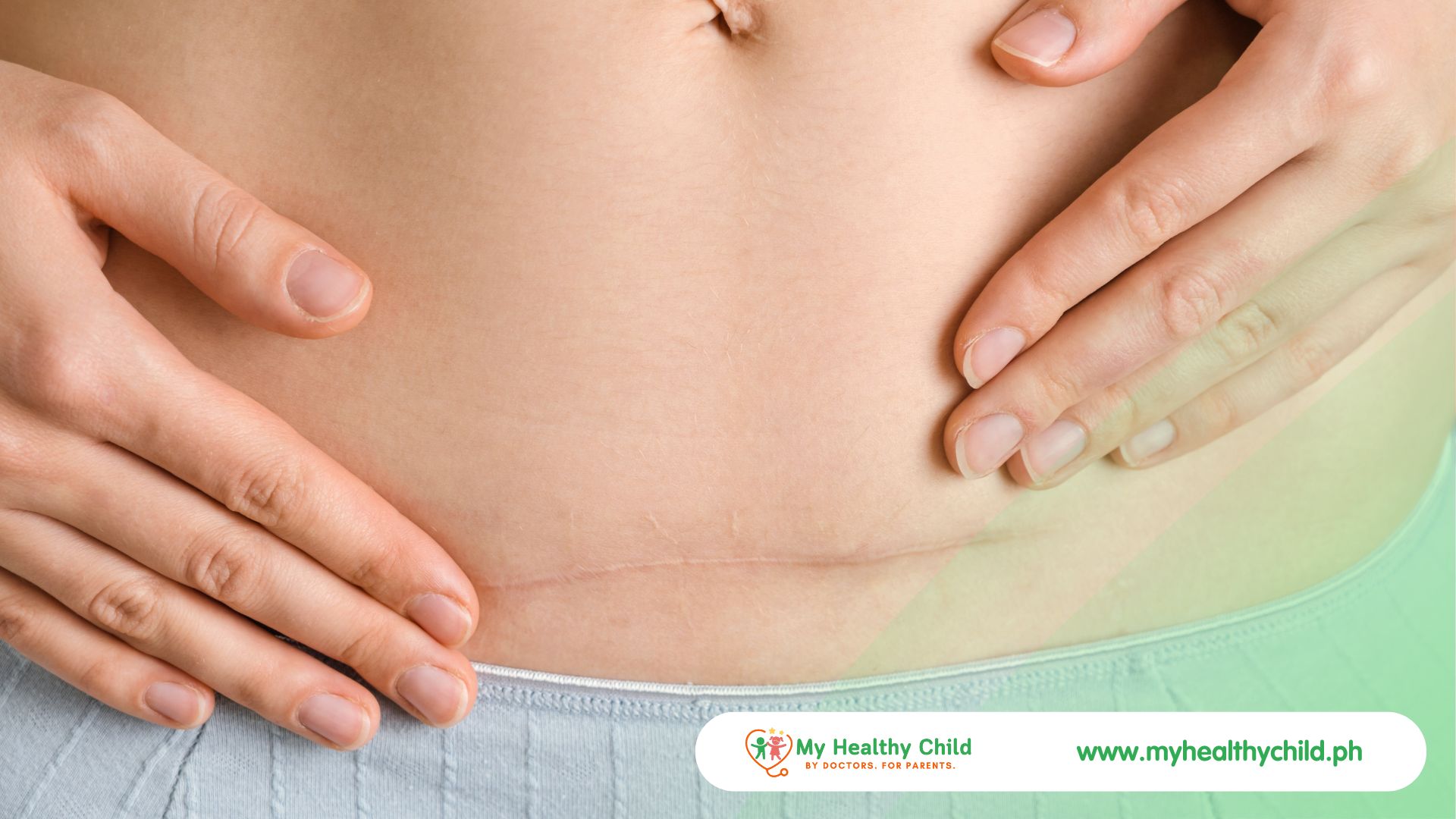
Know what healing looks like week by week — and how to care for your scar, your strength, and your emotional recovery.
At a Glance
- Full recovery from a cesarean takes 6–8 weeks, even if you feel better sooner.
- Scar pain, fatigue, and mobility limits are normal — but should steadily improve.
- Infection signs, emotional shifts, and poor wound healing need early attention.
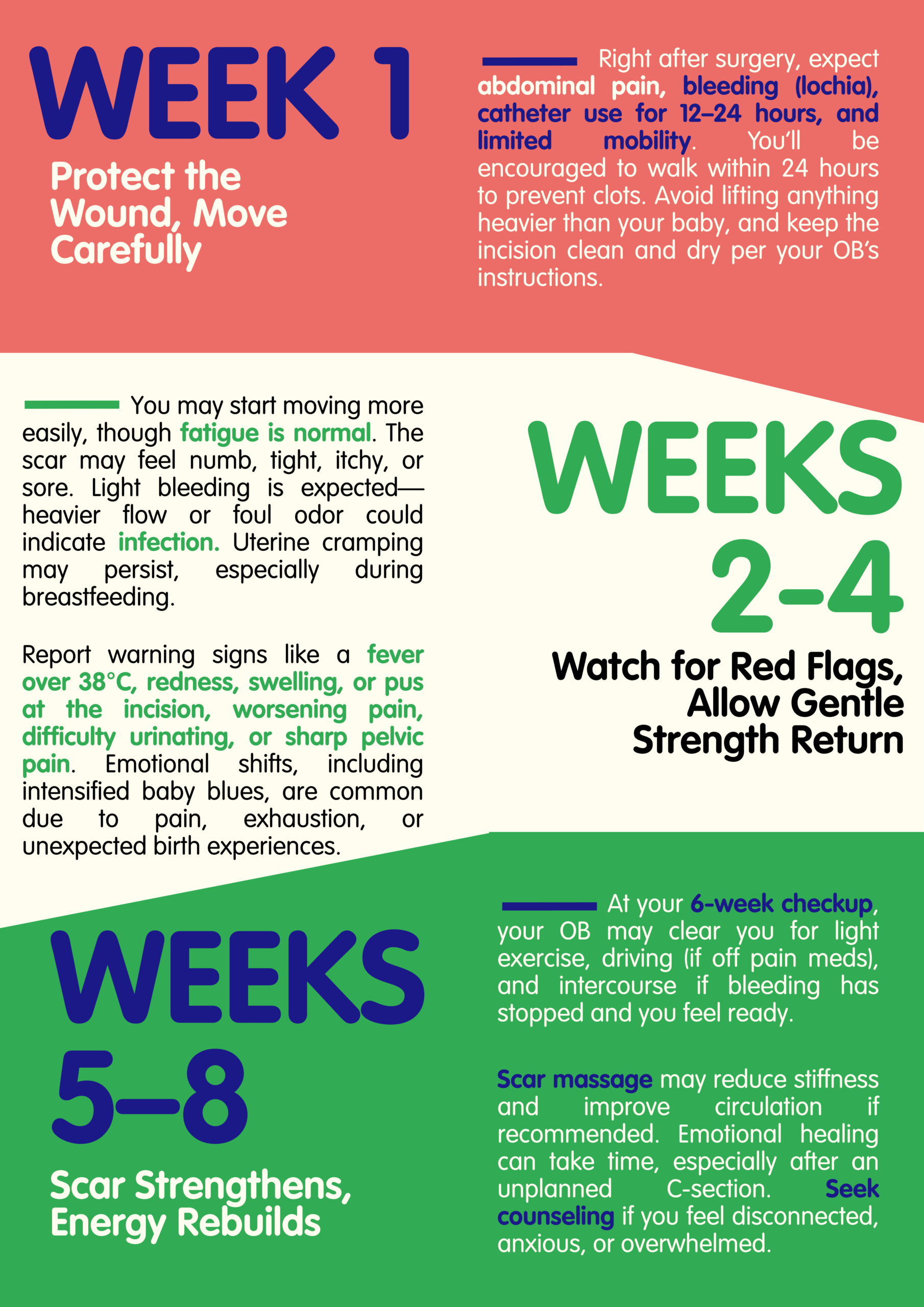
Week 1: Protect the Wound, Move Carefully
Right after surgery, expect:
- Abdominal pain or pressure — managed with OB-approved pain relief
- Bleeding (lochia) — similar to vaginal delivery, for up to 4–6 weeks
- Catheter use for the first 12–24 hours
- Limited mobility — standing or walking may be painful at first
You’ll be encouraged to get up and walk within 24 hours to reduce clot risk and improve bowel movement. Avoid lifting anything heavier than your baby.
Keep the incision clean and dry, and follow your OB’s cleaning instructions precisely.
Weeks 2–4: Watch for Red Flags, Allow Gentle Strength Return
You’ll begin moving more easily, but fatigue is still expected.
- Scar area may feel numb, tight, itchy, or sore — all normal
- Bleeding should lighten; heavier flow or bad odor may signal infection
- You may still feel uterine cramping, especially while breastfeeding
Warning signs to report:
- Fever over 38°C
- Redness, swelling, or pus at the incision
- Pain worsening instead of improving
- Difficulty urinating or sharp pelvic pain
Emotional shifts are also common. Baby blues may feel intensified after surgery due to pain, exhaustion, or unexpected birth outcomes.
Weeks 5–8: Scar Strengthens, Energy Rebuilds
At your 6-week checkup, your OB may clear you for:
- Light exercise and walking
- Driving, if no longer on pain medication
- Intercourse, if your bleeding has stopped and you feel physically ready
Scar massage, if advised, can help reduce stiffness and improve circulation. Emotional healing may still take time, especially if your C-section wasn’t planned. Ask about counseling if you feel disconnected, anxious, or overwhelmed.
Long-Term Healing: What to Know
Some C-section symptoms can linger for months:
- Numbness around the scar
- Tightness or sensitivity to clothing
- Emotional processing — especially for unplanned or emergency deliveries
If you plan future pregnancies, ask your OB when it’s safe to conceive again. Spacing of at least 12–18 months is generally recommended for uterine healing.
What to Do Next: Guidance for Pregnant Moms
- Keep your incision site dry, clean, and monitored — even if it looks closed.
- Let your OB know if you feel emotionally off — recovery is physical and mental.
- Don’t rush lifting, driving, or returning to work — your internal healing takes time, even if the scar looks small.
Note:
This article was medically reviewed and written in collaboration with doctors and medical professionals committed to providing pediatric health education.
References:
World Health Organization (WHO) – Maternal and Perinatal Health
American College of Obstetricians and Gynecologists (ACOG)
Centers for Disease Control and Prevention (CDC – U.S.) – Pregnancy

Marie Victoria S. Cruz-Javier, MD, FPOGS, FPSGE
Obstetrics and Gynecology Minimally Invasive Gynecologic Surgery and Robotic Surgery Aesthetic Gynecology
Disclaimer:
The information in this article is intended for educational purposes only and does not substitute professional medical advice, diagnosis, or treatment. Always consult your physician, pediatrician, or qualified healthcare provider with any questions you may have regarding a medical condition or health objectives.