
Is Screen Time Making Things Better or Worse for My Child?
Understanding how screens affect focus, behavior, and regulation in neurodiverse children—and how to set healthy limits
At a Glance
- Screens offer comfort—but may delay regulation skills in children with ADHD or autism.
- Overuse can trigger mood swings, sleep problems, or dependence.
- Real-life connection, movement, and play remain non-negotiable for brain development.
Why Screens Feel Calming—At First
For neurodivergent children, screens provide structure, repetition, and instant feedback. This can feel regulating—especially when:
- ADHD brains crave constant stimulation (dopamine-seeking)
- Children with autism prefer predictability and visual input
- Screens buffer against overstimulating environments
But this calm is short-term. It doesn’t build the skills needed for flexibility, attention, or frustration recovery.
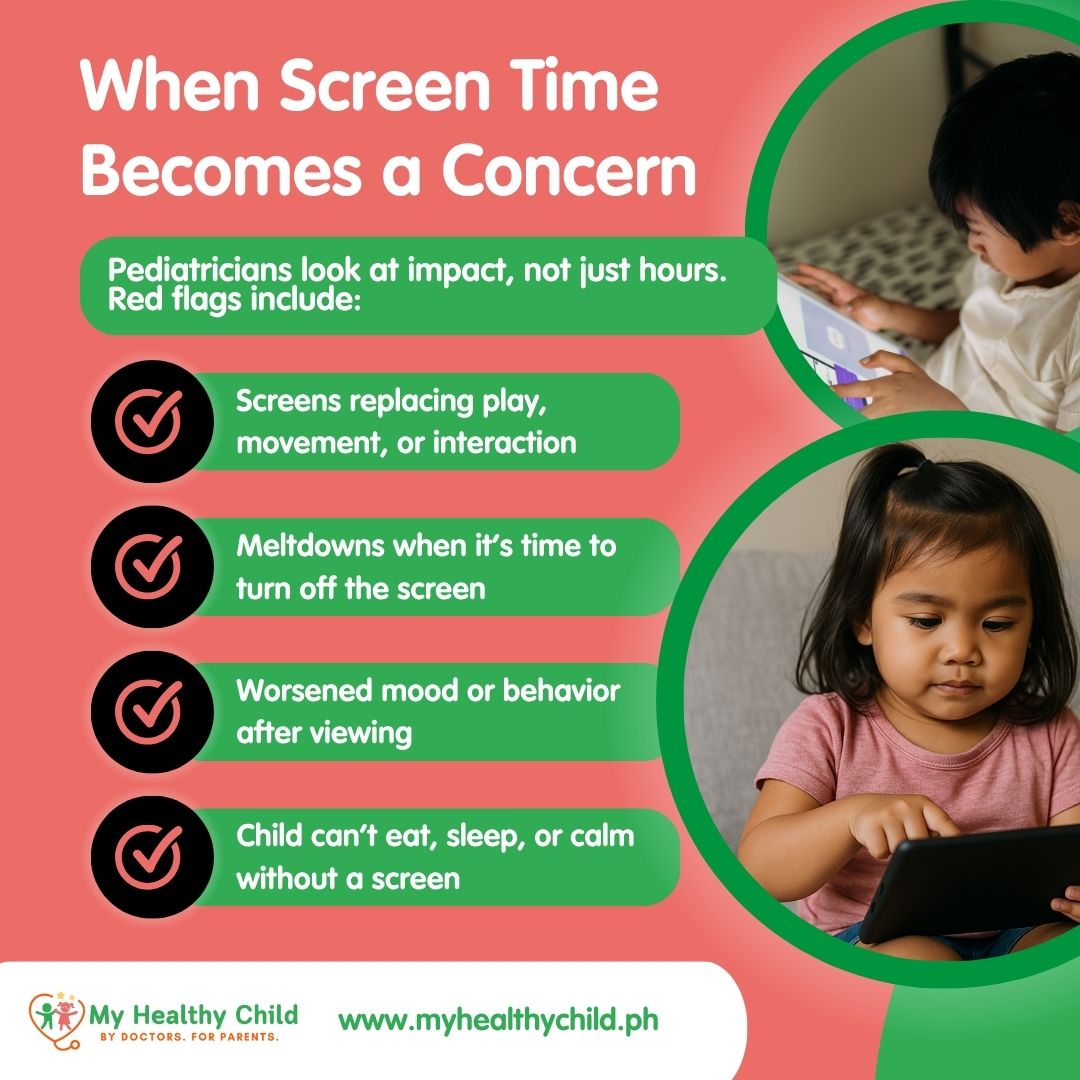
When Screen Use Becomes a Concern
Pediatricians focus less on total hours and more on function. Red flags include:
- Screens replace play, interaction, or movement
- Transitions off screens lead to meltdowns
- Emotional regulation worsens after viewing
- Your child cannot calm, eat, or sleep without it
These signs suggest screen use may be hindering—not helping—development.
What Types of Screen Use Can Be Helpful
Used with structure and purpose, screens can support:
- Visual schedules or social stories
- Video modeling of routines (e.g., brushing teeth)
- Augmentative and Alternative Communication (AAC) tools for nonverbal children
- Co-viewing that connects content to real life
When screens become tools—not escapes—they support regulation, not replace it.
Pediatric Guidelines for Healthier Screen Habits
- Set predictable screen routines (not on-demand access)
- Use screens alongside sensory play, outdoor time, and face-to-face interaction
- Prepare for transitions with warnings, countdowns, or calm-down rituals
- Limit fast-cut, overstimulating content that worsens focus or reactivity
Screens should serve the child—not the other way around.
What to Do Next: Guidance for Parents
- Observe behavior after screen use. Mood, sleep, and focus matter more than total minutes.
- Structure screen time. Predictable timing and clear cutoffs reduce stress.
- Ask your pediatrician if screen reliance is affecting regulation or routines.
Note:
This article was medically reviewed and written in collaboration with doctors and medical professionals committed to providing pediatric developmental health education.
References:
U.S. Centers for Disease Control and Prevention (CDC)
CHADD (Children and Adults with Attention-Deficit/Hyperactivity Disorder)

Francis Xavier M. Dimalanta, MD, FPPS, FPSDBP
Developmental and Behavioral Pediatrician
Fellow, Philippine Pediatric Society
Fellow, Philippine Society for Developmental and Behavioral Pediatrics
Head, Section of Developmental and Behavioral Pediatrics
Institute of Pediatrics and Child Health
St Luke’s Medical Center - Quezon City and Global City
Medical Director, A Child’s DREAM Foundation, Inc (est. 2003)
Disclaimer:
The information in this article is intended for educational purposes only and does not substitute professional medical advice, diagnosis, or treatment. Always consult your physician, pediatrician, or qualified healthcare provider with any questions you may have regarding a medical condition or health objectives.