
Does My Child Really Need All This Baby Gear?
Understand how too much equipment can slow development and why simpler play helps your child move, learn, and connect better

At a Glance
- Bouncers, walkers, and other “containers” may limit movement and delay milestones when overused
- Active, floor-based play builds strength, balance, and coordination
- Your toddler needs room to move—not constant entertainment or positioning
What the Research Says
- Container baby syndrome: Overuse of devices like swings, car seats, and jumpers can flatten the back of the head, stiffen muscles, or delay gross motor milestones
- Limited sensory input: Sitting in gear restricts how toddlers explore—by crawling, pulling up, or feeling textures
- Passive positioning: Devices often hold children in postures they can’t achieve on their own, interfering with natural development
What Your Child Actually Needs
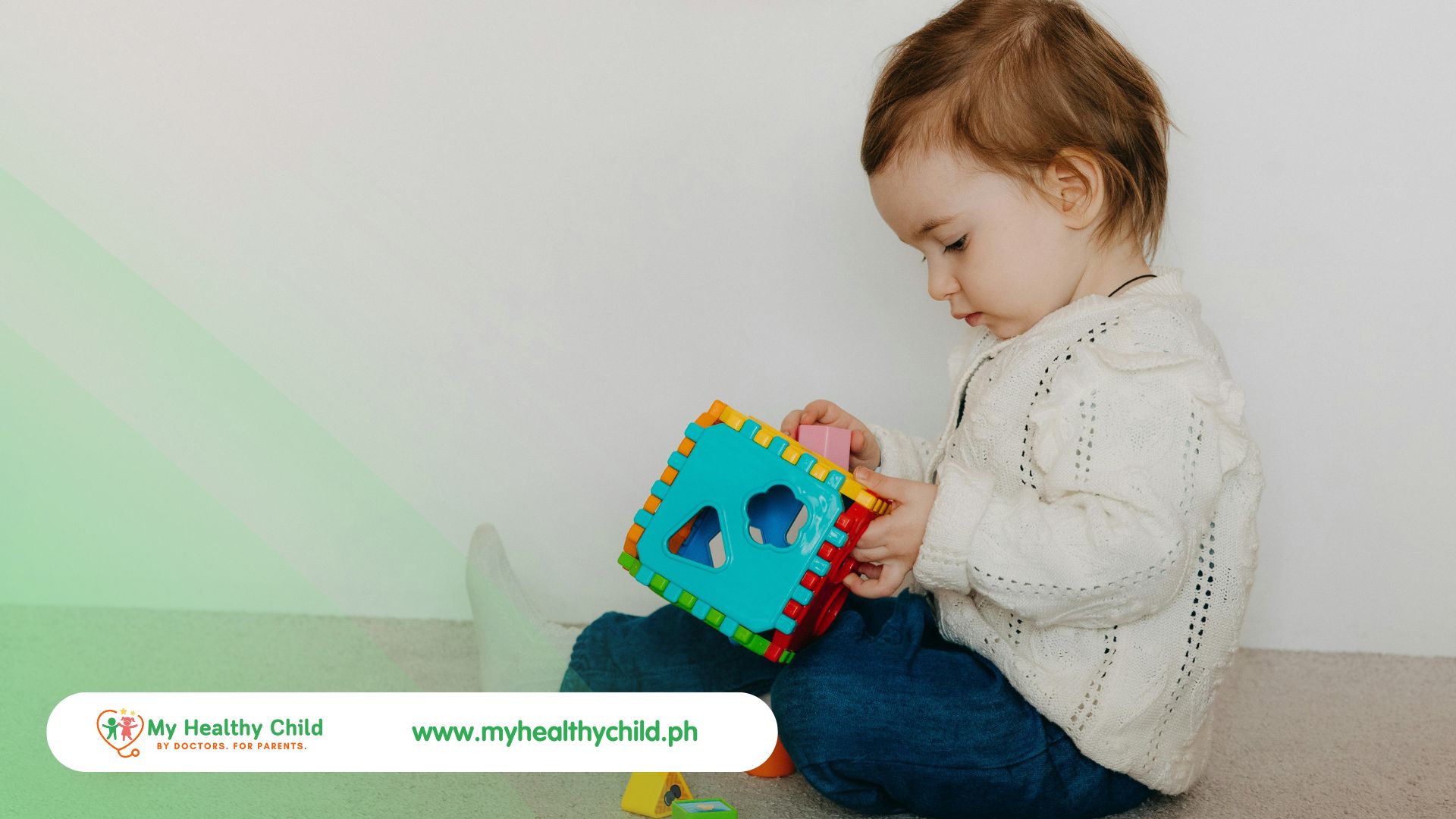
- Free floor time: Unstructured play on a clean mat or padded surface encourages rolling, crawling, cruising, and walking
- Simple, safe toys: Objects that encourage problem-solving, grasping, and imagination (blocks, soft balls, stacking cups)
- Your interaction: More valuable than any toy—talking, reading, and moving together builds both brain and body
- Safe exploration space: A baby-proofed room lets your child test movement limits without constant restraint
Gear That Supports—Not Replaces—Development
- Strollers and car seats: Important for transport, but shouldn’t replace active awake time
- High chairs and booster seats: Useful during meals with proper back and foot support
- Playpens: Fine for short breaks, but not for hours of containment
- Avoid walkers: They can delay walking and are linked to falls and injuries. Use push toys instead, once your child can pull to stand
What to Do Next: Guidance for Parents
- Aim for balance—gear is helpful in short bursts, but your child should spend most waking time moving freely
- Rotate toys instead of adding more gear. Let curiosity—not containers—guide play
- Ask your pediatrician if you’re unsure about how certain gear affects motor development
Note:
This article was medically reviewed and written in collaboration with doctors and medical professionals committed to providing pediatric health education.
References:
Centers for Disease Control and Prevention (CDC) – Early Childhood Development
American Academy of Pediatrics (AAP)
World Health Organization (WHO) – Early Childhood Development

Disclaimer:
The information in this article is intended for educational purposes only and does not substitute professional medical advice, diagnosis, or treatment. Always consult your physician, pediatrician, or qualified healthcare provider with any questions you may have regarding a medical condition or health objectives.