
3-Month Developmental Milestone: The First Signs of Growth and Potential Gaps
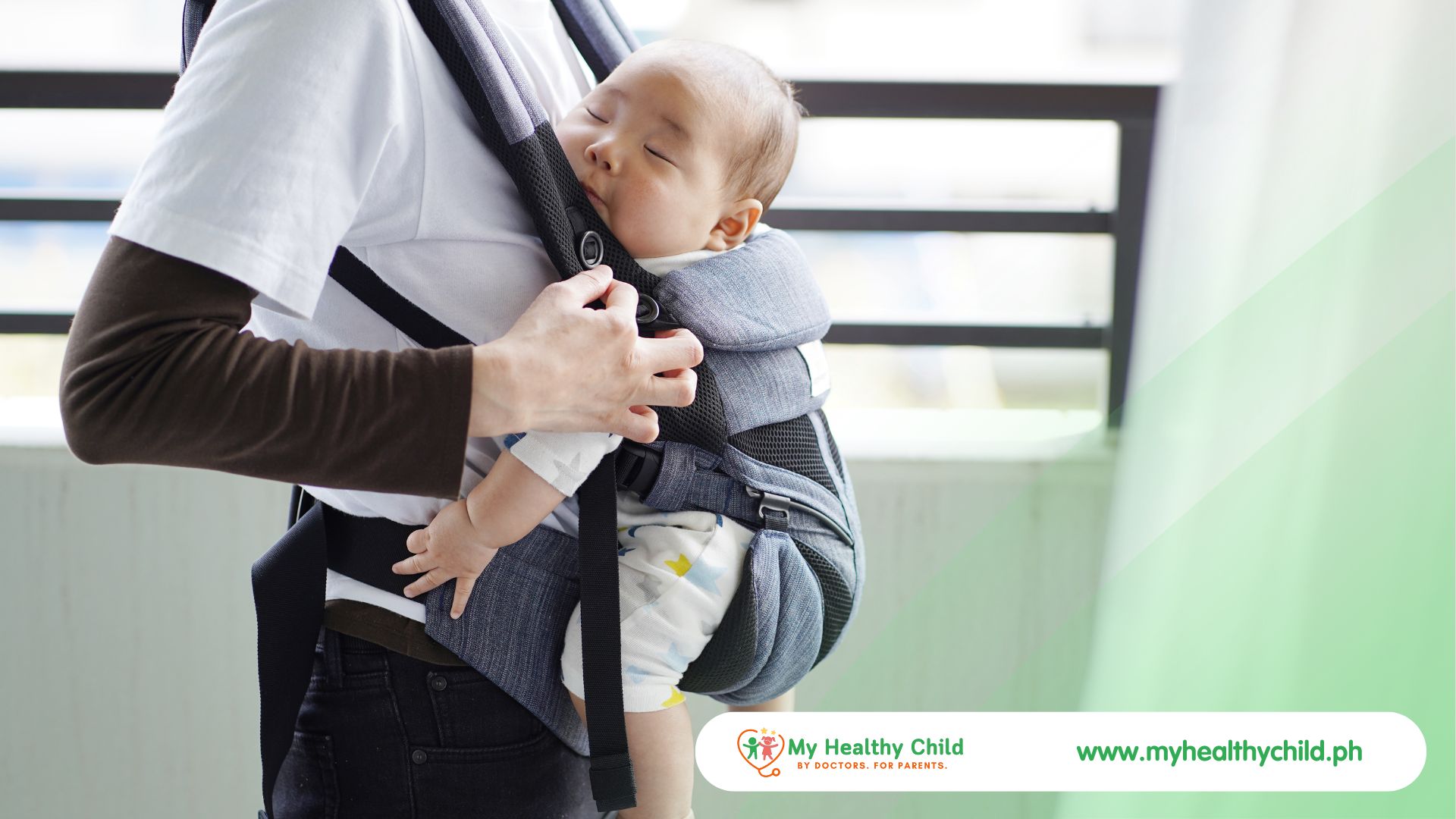
The first few months of life may seem simple on the surface—feedings, diaper changes, and sleep. But by the time a baby reaches their third month, they are already hitting major physical and mental growth markers. The 3 month developmental milestone isn’t just a checklist—it’s a powerful preview of a child’s future development, from school readiness to emotional regulation.
This article explores the importance of the 3 month developmental milestone, its role in later stages such as 6-8 years physical development and middle school age behavior, and how early gaps may tie into long-term issues like teen depression and other reasons for depression in youth.
What Should Happen by the 3rd Month?
Babies at three months old begin to emerge from the sleepy haze of the newborn phase. They become more alert, interactive, and physically active. Core components of the 3 month developmental milestone include:
- Motor skills: Lifting the head while on the tummy, pushing up on arms
- Social engagement: Smiling in response to faces, cooing, making eye contact
- Cognitive signs: Following objects with eyes, responding to familiar voices
- Self-regulation: Shorter bouts of crying, longer stretches of sleep
These early signs not only reflect healthy development in infancy—they also act as predictors for future success in mobility, communication, and emotional balance. Tracking your child’s progress helps you understand whether they’re on pace or if early support is needed.
How the 3-Month Developmental Milestone Shapes School-Age Readiness
You might not connect a baby’s tummy time to their school success, but the 3 month developmental milestone has a ripple effect on future learning and behavior—especially by middle school age.
- Muscle tone and core strength developed from lifting the head and rolling over to build the foundation for sitting properly in class, writing, and participating in physical activity during 6-8 years of physical development.
- Early communication like cooing and eye contact evolve into expressive language and reading comprehension later in life.
- Emotional attachment to caregivers during infancy supports self-esteem, attention span, and resilience during the socially turbulent middle school age.
Children who miss key 3 month developmental milestones may not show challenges right away. However, subtle signs can become more pronounced during school years, such as difficulty focusing, poor posture, or social withdrawal.
Missed Milestones and Mental Health: What the Research Tells Us
Recent studies suggest that delays in early development could increase vulnerability to emotional and behavioral health issues later in life. These include:
- Frustration tolerance and difficulty self-soothing, which can escalate in later childhood
- Reduced peer interaction leading to isolation during middle school age
- Negative self-concept that contributes to teen depression
These are some of the underlying reasons for depression in youth that are now being traced back to early life experiences, especially when those experiences include delayed or missed developmental milestones.
It’s important to note that not every delay leads to mental health problems. However, early detection and intervention can make a significant difference in building emotional regulation and coping skills that last into adolescence.
Movement Matters: Connecting Infancy to 6–8 Years Physical Development
Physical movement in infancy plays a huge role in coordination and fitness during 6-8 years physical development. Babies who are encouraged to move freely—on the floor, on their tummy, or reaching for toys—gain stronger muscles and better spatial awareness.
By age 6 to 8, these children tend to:
- Show improved balance and coordination
- Be more physically confident in games and sports
- Avoid posture-related issues and fatigue in school
The 3 month developmental milestone is often the first time you’ll see a baby attempt intentional movement. Missing this window doesn’t mean a child can’t catch up, but it does warrant close monitoring and encouragement.
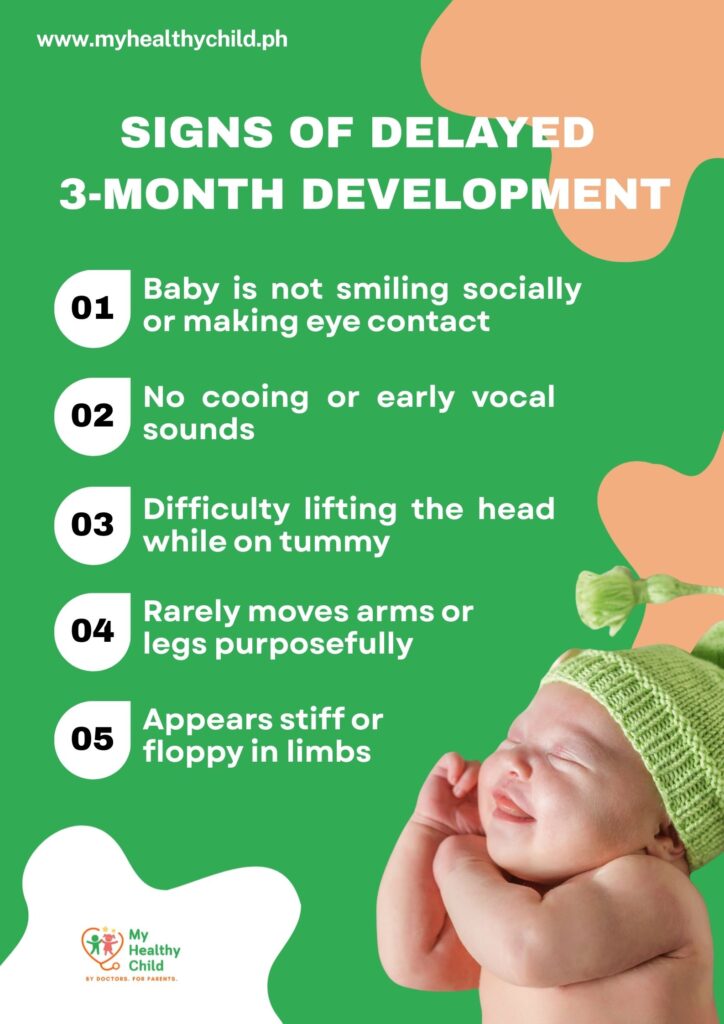
When to Worry: Signs of Delayed 3-Month Development
While development can vary widely, here are some warning signs that may suggest a delay:
- Baby is not smiling socially or making eye contact
- No cooing or early vocal sounds
- Difficulty lifting the head while on tummy
- Appears stiff or floppy in limbs
- Rarely moves arms or legs purposefully
If several of these are present, it’s a good idea to speak with your pediatrician. They may recommend developmental screening or early intervention therapy—both of which can help get a child back on track before preschool.
Supporting Milestones Through Simple Parenting Routines
Parents can encourage healthy development with simple, consistent activities:
- Talk frequently: Your voice supports cognitive and language growth.
- Provide tummy time: A few supervised sessions each day strengthen neck and core muscles.
- Follow their cues: Responding to your baby’s cries and expressions helps build emotional trust.
- Avoid prolonged time in restrictive devices: Floor play encourages movement and discovery.
- Introduce contrasting colors and gentle sounds: This stimulates visual and auditory pathways.
These routines may seem minor, but they directly influence how your baby grows into a socially and emotionally healthy child—and even how well they cope with the pressures of middle school age and beyond.
Looking Ahead: Why Every Early Moment Counts
The 3 month developmental milestone is not just a baby milestone—it’s a launchpad. From emotional bonding to physical strength and cognitive spark, this moment in time sends signals into the future of your child’s journey.
Whether you’re planning enrichment activities for 6-8 years physical development or looking for ways to support a preteen’s mental health, it all begins here.
A Closer Look for Curious Parents
If you’re wondering how your baby’s early milestones may affect their future, ask yourself:
- Is my child making consistent eye contact and responding to my voice?
- Are they reaching and kicking when excited?
- Do they enjoy movement, like tummy time or being held upright?
By staying aware and involved during this stage, you’re building not just a strong baby—but a confident child, a resilient teen, and a capable adult.
At MyHealthyChild, we believe every milestone matters. From tiny grins to big life goals, we’re here for your child’s journey every step of the way.
Disclaimer:
The information in this article is intended for educational purposes only and does not substitute professional medical advice, diagnosis, or treatment. Always consult your physician, pediatrician, or qualified healthcare provider with any questions you may have regarding a medical condition or health objectives.